

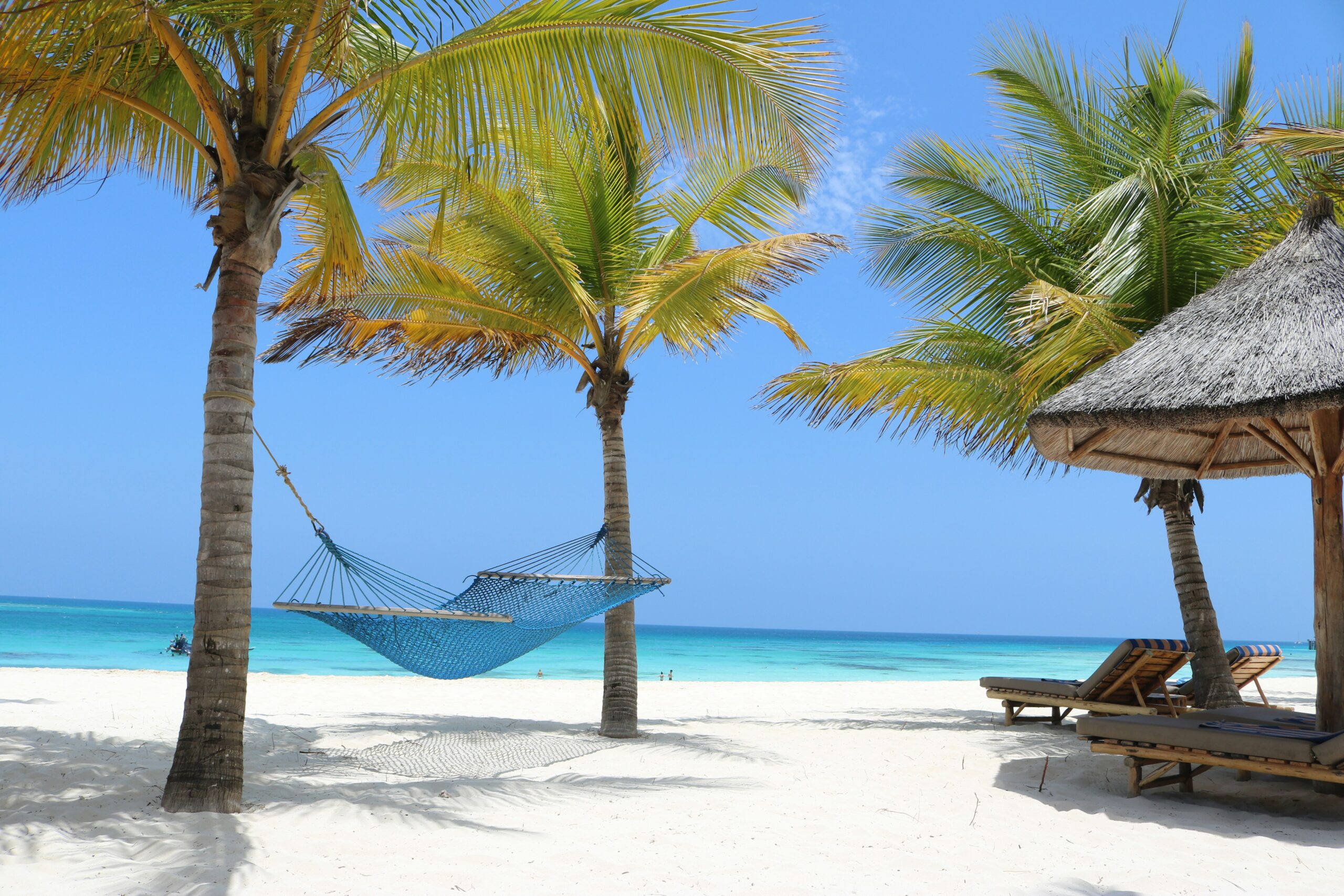
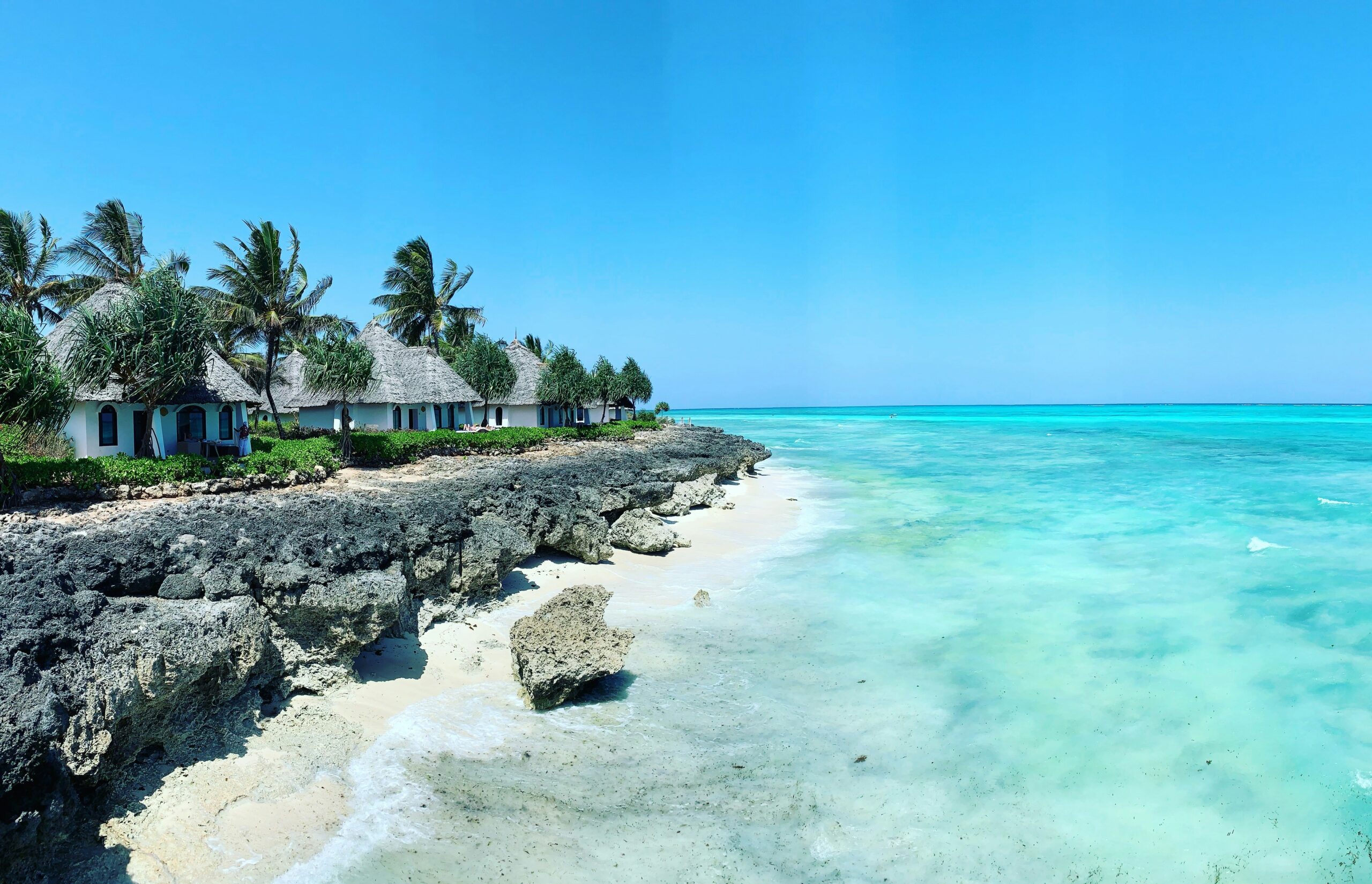
Zanzibar, a semi-autonomous archipelago of Tanzania, is one of Africa’s most captivating destinations, where tropical landscapes meet centuries of history and cultural exchange. Often called the Spice Island, Zanzibar is famous for its powder-white beaches, shallow turquoise lagoons, palm-lined coastlines, and a unique blend of African, Arab, Persian, and European heritage.
More than just a beach paradise, Zanzibar is a place of contrasts: ancient stone buildings standing beside lively markets, quiet fishing villages next to luxury resorts, and coral reefs just offshore from historic streets. It is a destination that appeals equally to relaxation seekers, culture lovers, photographers, and travelers searching for cinematic landscapes.
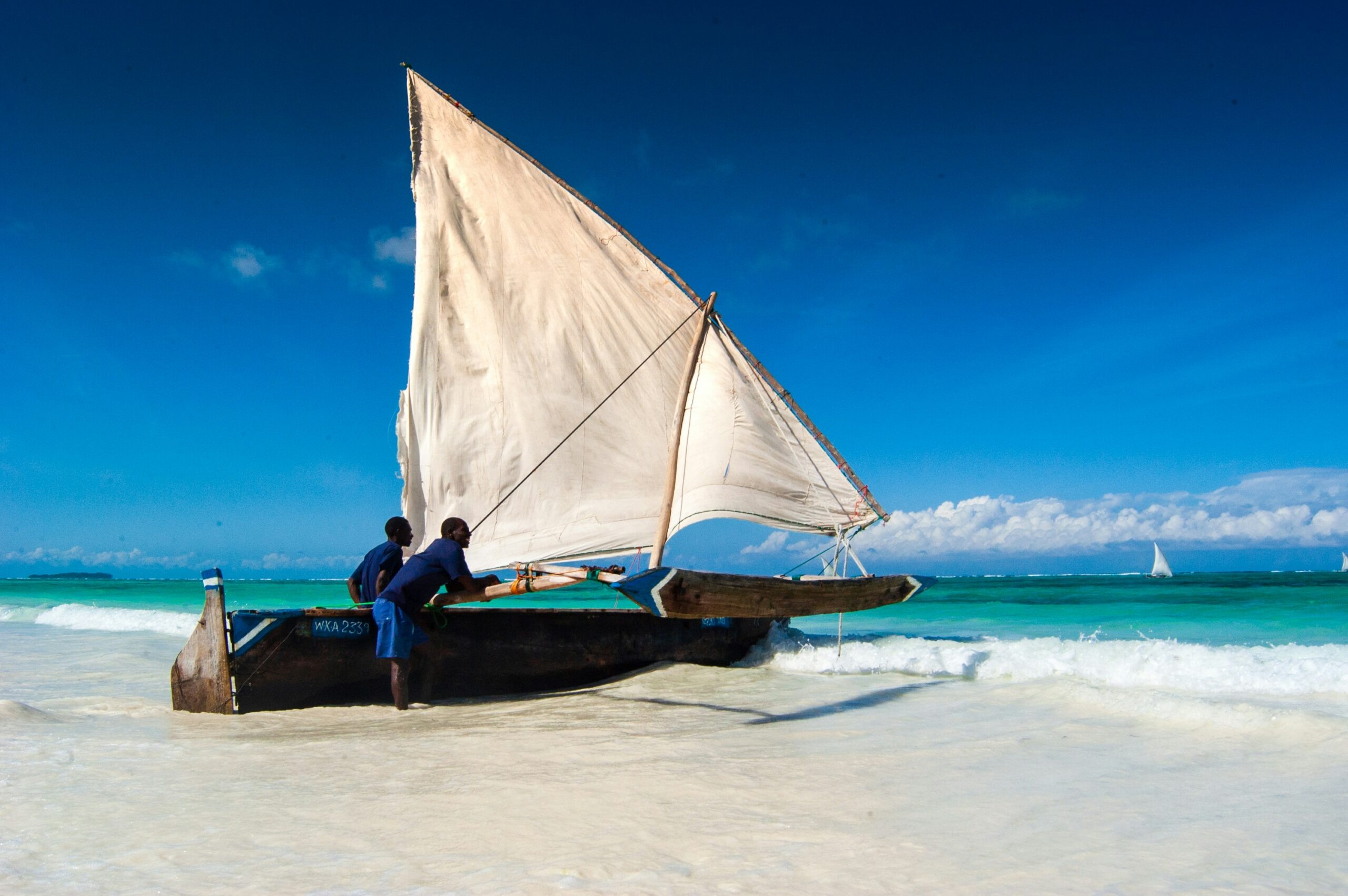
From sunrise over the Indian Ocean to golden sunsets behind traditional wooden dhows, Zanzibar feels like a destination designed for storytelling—both through words and through images.
Trying to decide between two tropical paradises? Read our full comparison: Zanzibar vs Maldives
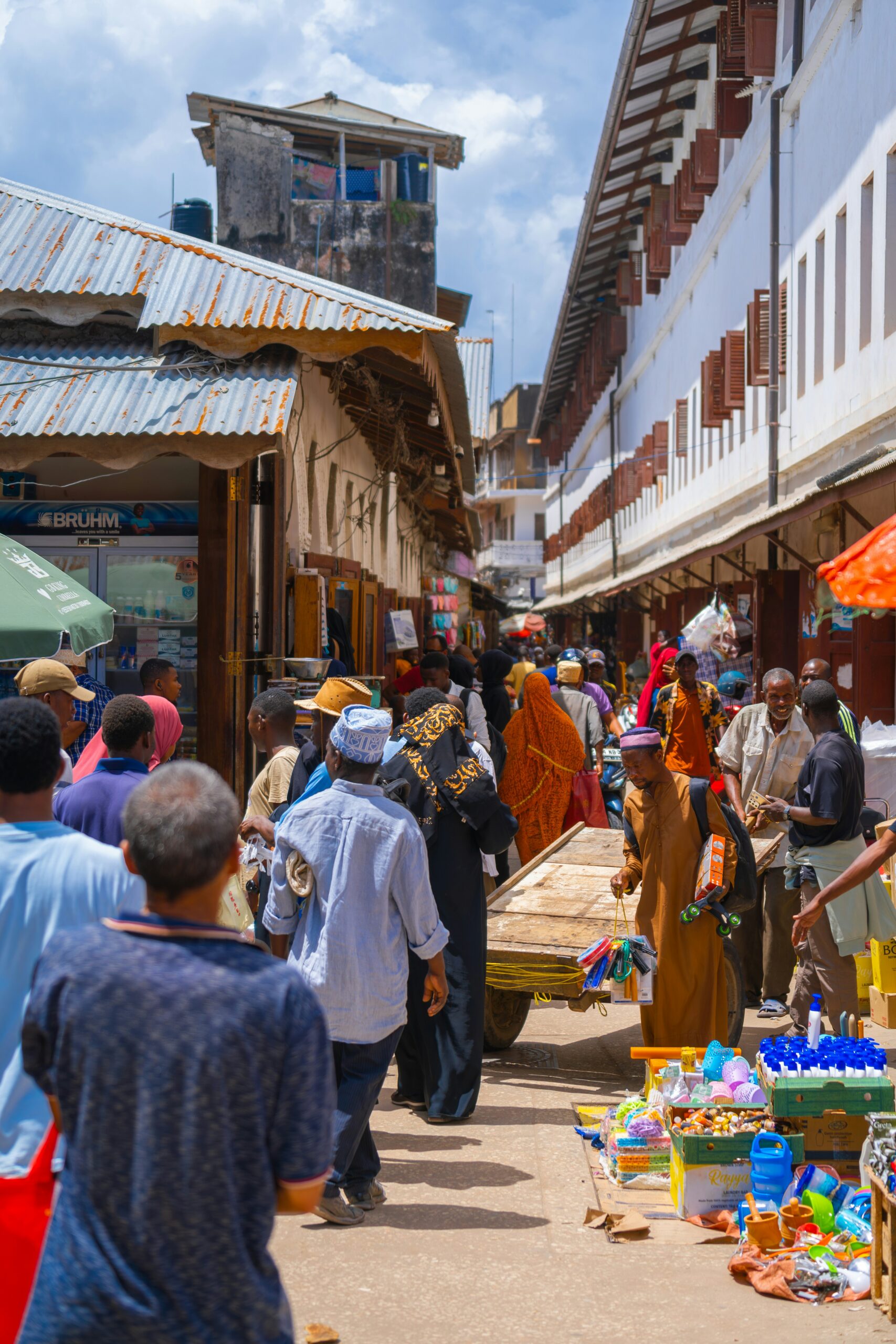
If you are planning your trip, this Zanzibar travel guide covers everything you need to know before visiting the island.
Location, Area, and Population
Zanzibar is located off the eastern coast of Africa, in the Indian Ocean, approximately 25 to 50 kilometers from mainland Tanzania. The archipelago consists primarily of two main islands—Unguja (commonly known as Zanzibar Island) and Pemba—along with several smaller islands scattered across warm tropical waters.
According to Wikipedia, Zanzibar covers an area of approximately 2,462 square kilometers and has a population of around 1.8 million people. Most residents live on Unguja, while Pemba is less developed and known for its lush green hills and extensive clove plantations.
The geography of Zanzibar is defined by low-lying coral terrain, shallow coastal waters, mangrove forests, and long stretches of sandy beaches. This natural layout creates perfect conditions for lagoons, reefs, and the calm, glassy seas that make Zanzibar such a visually
Planning Your Trip to Zanzibar – Travel Guides
Zanzibar offers very different experiences depending on where you choose to stay, what you want to explore, and how you plan your time on the islands. From beach resorts and cultural landmarks to guided tours and outdoor activities, choosing the right travel plan can completely shape your experience.
If you want to explore Zanzibar in more detail, start with these essential travel guides:
– **Where to Stay in Zanzibar**
– **Best Hotels in Zanzibar by Budget**
– **Best Tours and Experiences in Zanzibar**
– **Is Zanzibar safe for tourists in 2026**
– **Best time to visit Zanzibar**
– **Zanzibar trip cost breakdown**
– **Zanzibar itinerary 7 days**
History and Cultural Heritage
Zanzibar’s history is deeply tied to the Indian Ocean trade routes that connected East Africa with Arabia, India, and Southeast Asia for centuries. Long before European influence, Zanzibar was a major center for the spice trade, exporting cloves, nutmeg, cinnamon, and black pepper to global markets.
Later, the islands became an important hub for ivory and slave trading under Omani Arab rule. This complex and often painful history remains an essential part of Zanzibar’s cultural identity.
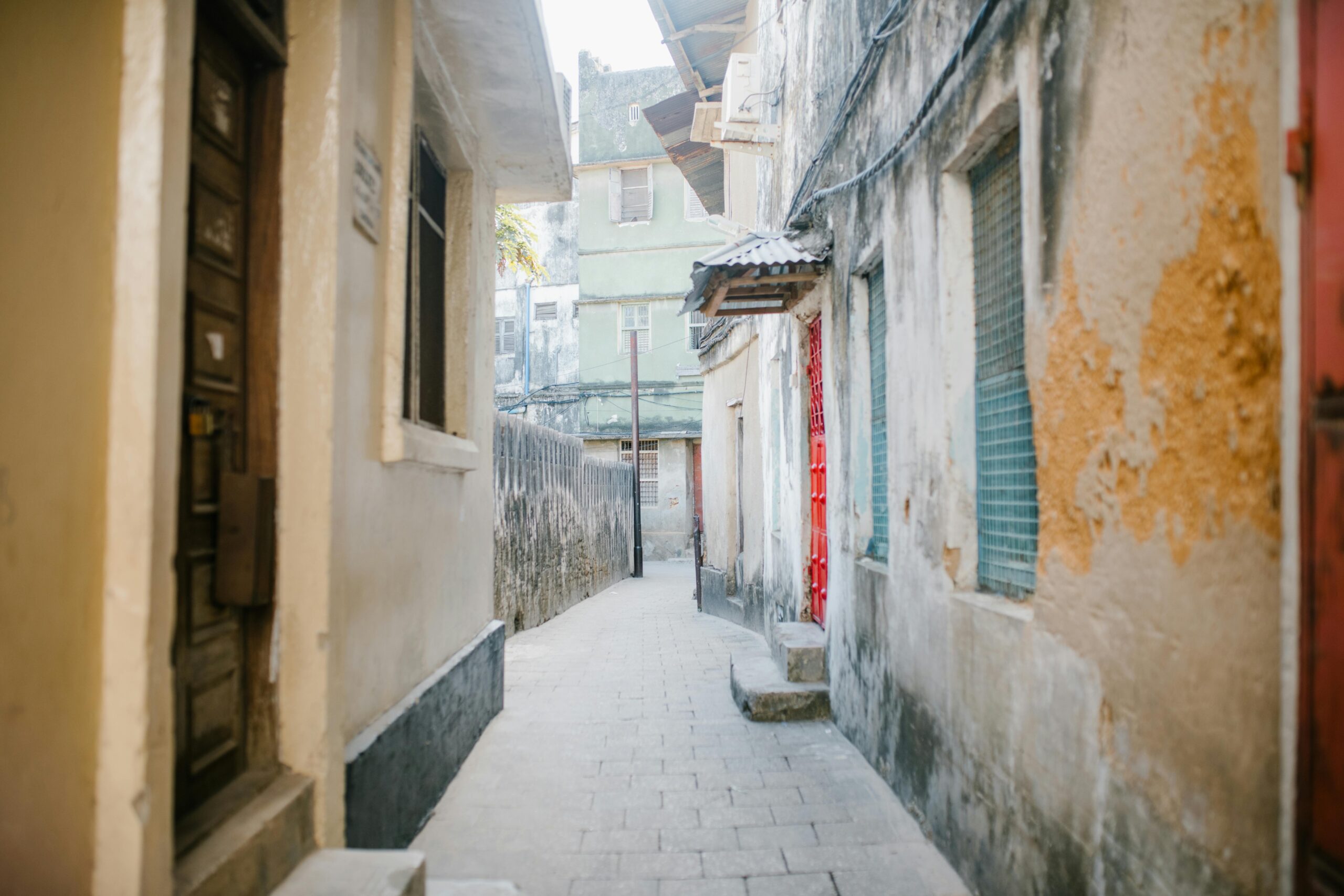
The heart of this heritage is Stone Town, the old quarter of Zanzibar City. According to UNESCO, Stone Town is a World Heritage Site, recognized for its exceptional blend of Swahili, Arab, Persian, Indian, and European architectural influences. Narrow alleys, intricately carved wooden doors, coral stone buildings, mosques, and colonial-era structures create a setting that feels frozen in time.
Zanzibar is also internationally known as the birthplace of Freddie Mercury, the legendary lead singer of Queen, born in Stone Town in 1946. His childhood home has become a symbolic cultural landmark for music fans worldwide.
Iconic Landmarks and Places to Visit
Zanzibar offers a wide variety of attractions, each providing unique visual and cultural experiences:
- Stone Town – A labyrinth of narrow streets, historic buildings, and local life
- Prison Island (Changuu Island) – Famous for giant Aldabra tortoises and coral waters
- Nungwi Beach – One of Zanzibar’s most photogenic beaches, ideal for sunset shots
- Kendwa Beach – Wide sandy beach with calm waters and golden-hour light
- Jozani Forest – Home to the rare red colobus monkeys, endemic to Zanzibar
- The Old Fort – Historic fortification near the waterfront in Stone Town
- Forodhani Gardens – Evening street food market filled with color and movement
- Spice Farms – Plantations showcasing cloves, vanilla, cinnamon, and nutmeg
Each of these locations offers strong visual potential, from drone shots over turquoise lagoons to close-up details of carved doors and spice leaves.
Food and Traditional Cuisine
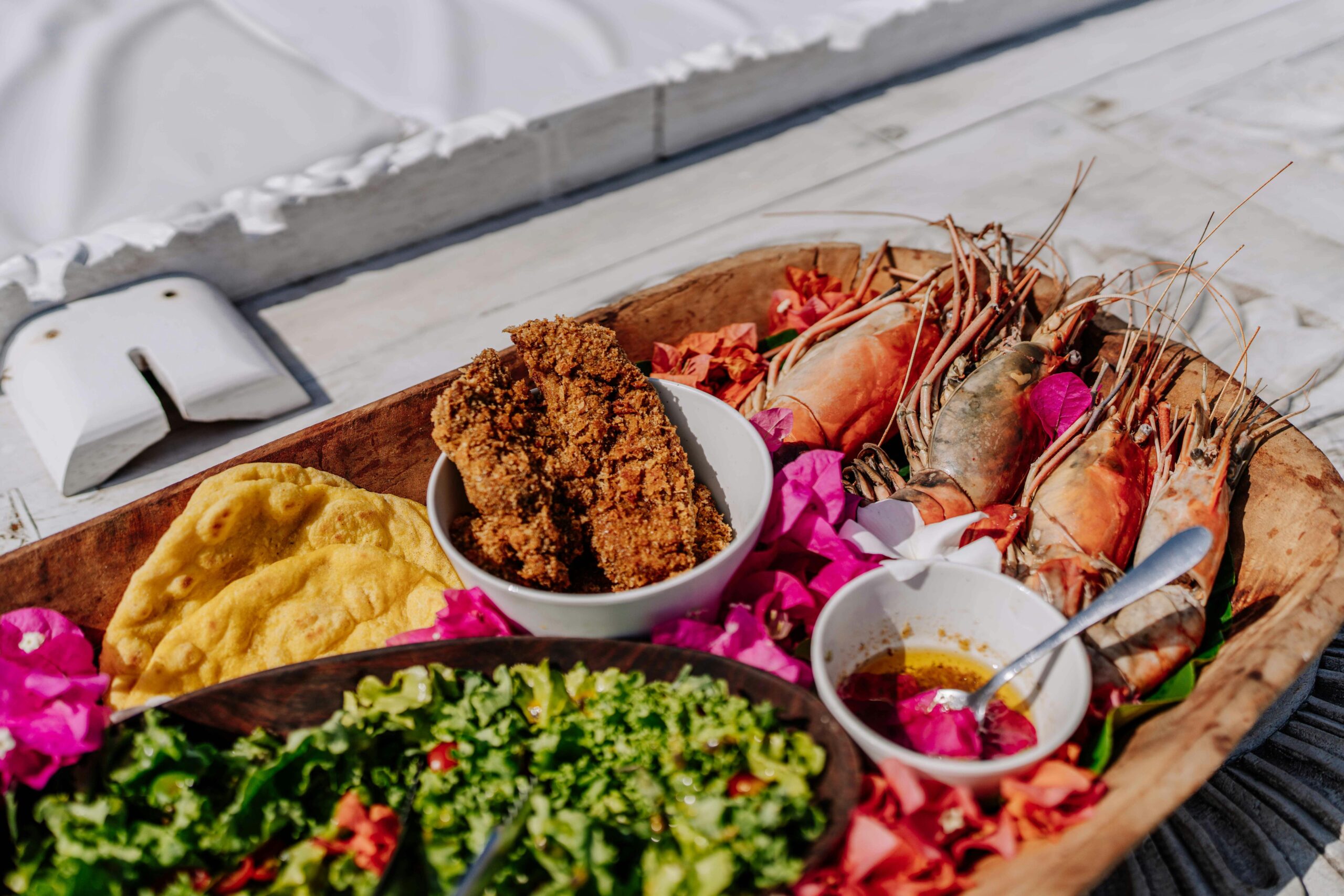
Zanzibar’s cuisine reflects its position as a crossroads of cultures. Swahili, Arab, Indian, and African culinary traditions blend together, with spices playing a central role in nearly every dish.
Traditional foods to try include:
- Zanzibar Pilau – Fragrant rice cooked with spices and meat or vegetables
- Urojo (Zanzibar Mix) – A popular street food soup, rich in texture and flavor
- Octopus Curry – Fresh seafood simmered in coconut milk and spices
- Chapati – Flatbread influenced by Indian cuisine
- Mandazi – Sweet fried bread, often enjoyed with tea
Forodhani Night Market is one of the best places to experience local food culture, offering vibrant scenes perfect for night photography and street-food reels.
Best Time to Visit and Weather
Zanzibar has a tropical climate with warm temperatures throughout the year. According to climate data referenced on Wikipedia, the islands experience two main dry seasons and two rainy periods:
- Dry Season (June–October): Best overall time to visit, cooler and less humid
- Short Dry Season (January–February): Hot, sunny, and ideal for beach content
- Long Rains (March–May): Heavy rainfall, fewer tourists
- Short Rains (November): Brief showers, still good for travel
The dry seasons offer the best conditions for beach photography, snorkeling, diving, and outdoor exploration.
For a detailed breakdown of seasons, prices, and weather conditions, see our best time to visit Zanzibar guide.
Nightlife and Entertainment
Zanzibar’s nightlife is relaxed and atmospheric rather than intense or club-focused. Evenings are often centered around nature, music, and social interaction:
- Beach bars with live acoustic music
- Sunset dhow cruises along the coast
- Cultural performances in Stone Town
- Casual beach parties in Nungwi and Kendwa
Golden-hour lighting, fire shows, and ocean backdrops make nightlife scenes visually compelling without feeling overwhelming.
Outdoor Activities and Scenic Spots
Zanzibar’s natural environment offers a wide range of outdoor experiences:
- Snorkeling and diving in coral reefs
- Dolphin tours in Menai Bay Conservation Area
- Traditional dhow sailing trips at sunset
- Spice farm tours with close-up visual details
- Forest walks in Jozani National Park
- Kite surfing along the east coast
These activities highlight the island’s biodiversity and offer endless opportunities for cinematic visuals and slow-motion reels.
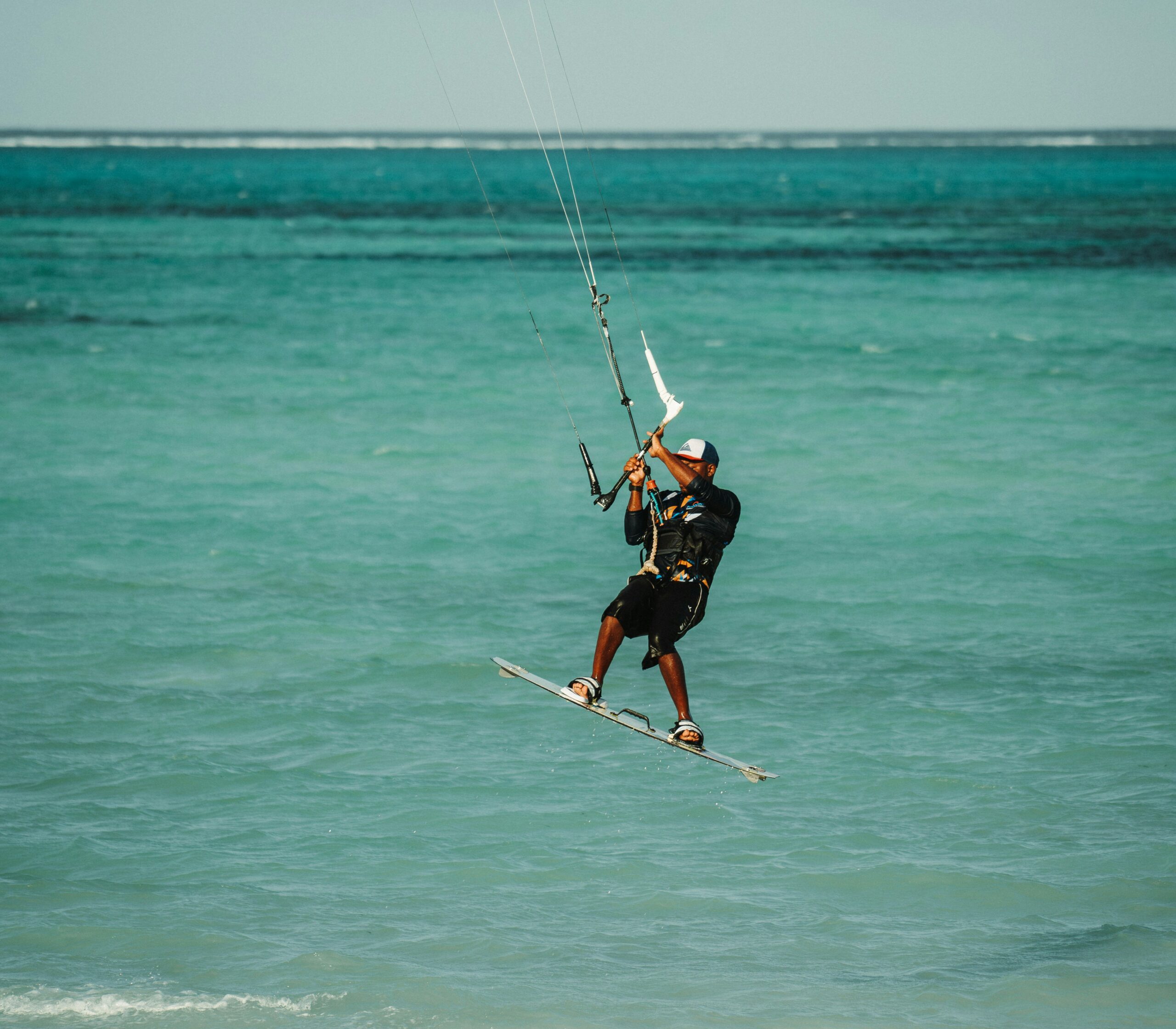
Many of these experiences are included in guided excursions, which you can explore in our best tours and experiences in Zanzibar guide.
Beaches and Coastal Landscapes
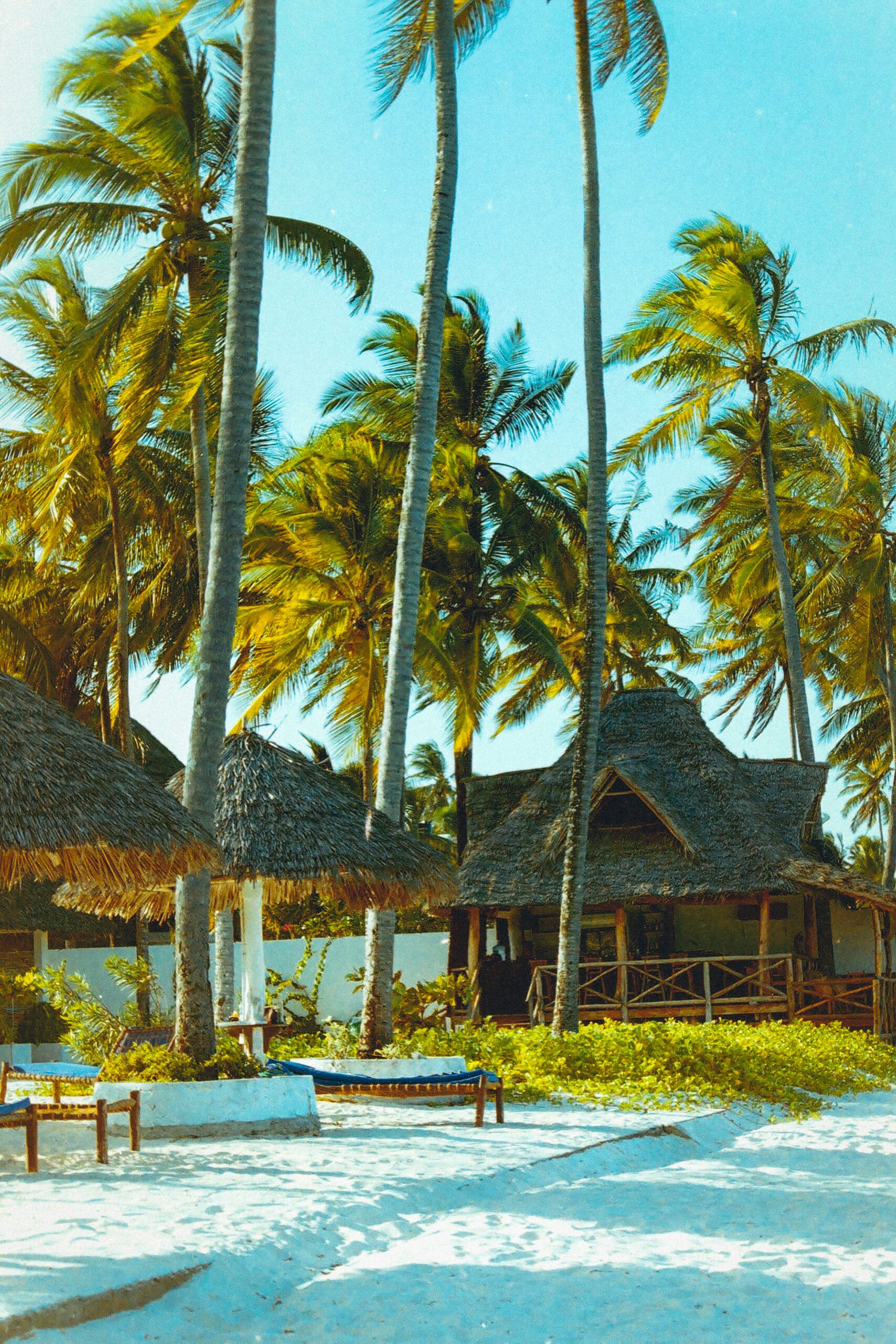
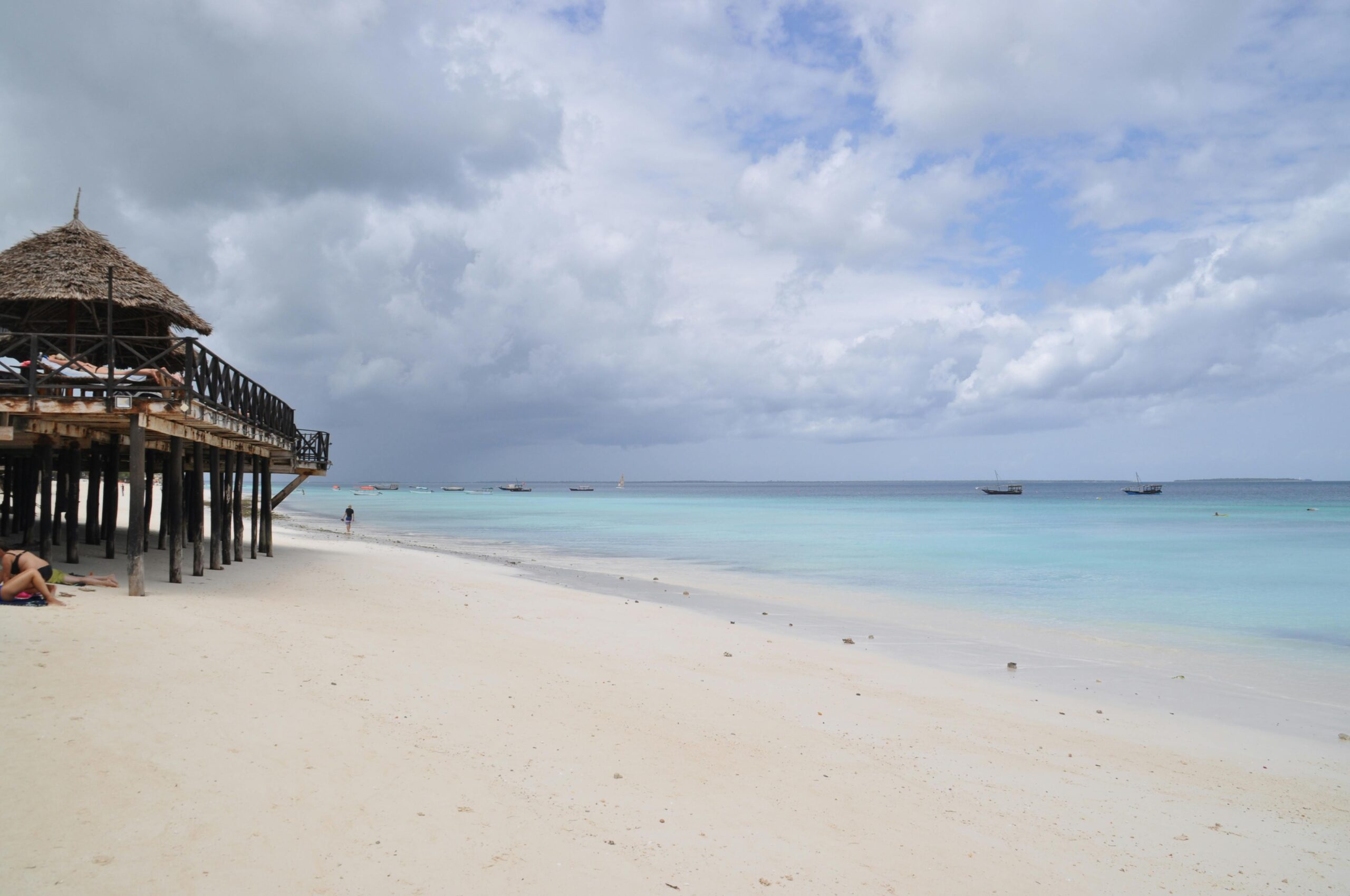
Zanzibar’s beaches are among the most beautiful in Africa. Long stretches of white sand, shallow turquoise waters, and swaying palm trees define the coastline.
Notable beaches include:
- Nungwi – Dramatic sunsets and fishing boats
- Kendwa – Calm waters and wide-angle beach shots
- Paje – Kite surfing and endless horizons
- Matemwe – Quiet, authentic coastal scenery
Each beach offers a different mood, from lively social scenes to untouched, peaceful shores.
If you want to combine beaches, culture, and excursions efficiently, follow this Zanzibar itinerary for 7 days.
Why Zanzibar Is Unique
Zanzibar stands out for its rare combination of tropical beauty, deep historical roots, and strong cultural identity. Few destinations offer such a seamless blend of beach life, Swahili heritage, and visual diversity. Its slower pace, warm hospitality, and layered history make Zanzibar a destination that feels both inspiring and timeless.
Still unsure if Zanzibar is the right choice? Compare it with another tropical favorite in our guide: Zanzibar vs Maldives
Conclusion
Zanzibar is more than a tropical escape—it is a journey through culture, history, and natural beauty. From the stone streets of UNESCO-listed Stone Town to turquoise waters and spice-scented air, the island offers an experience that is visually stunning and emotionally rich. Every corner of Zanzibar tells a story, making it an ideal destination for travelers, photographers, and storytellers alike.
To plan your journey with confidence, including safety, costs, and timing, explore our complete Zanzibar travel guide.