

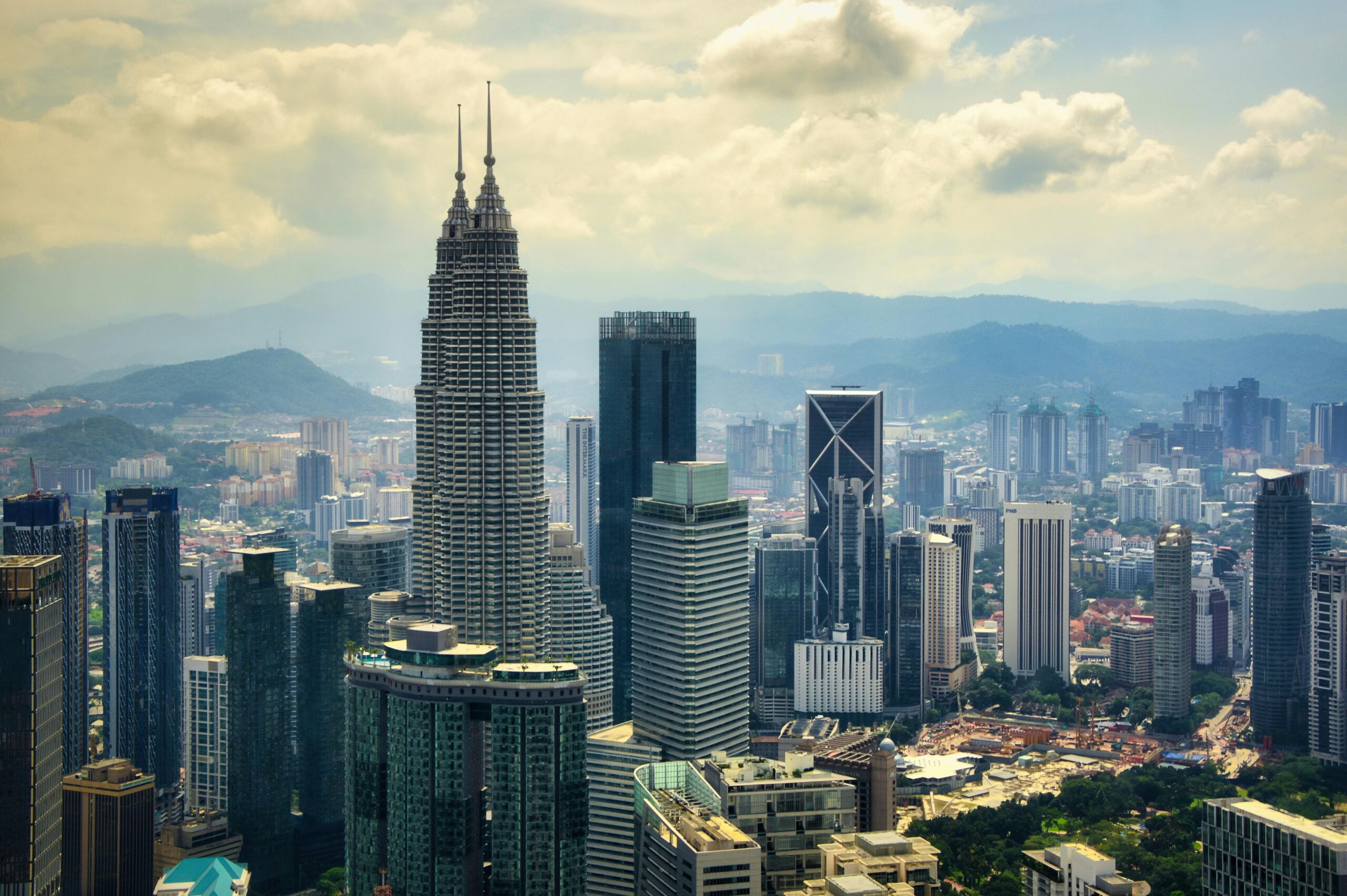
Kuala Lumpur, the capital city of Malaysia, is a bustling metropolis where modern skyscrapers meet colonial architecture and vibrant street markets. Often abbreviated as KL, the city is a cultural and economic hub of Southeast Asia, renowned for its diverse heritage, delicious cuisine, and stunning urban skyline. From the iconic Petronas Twin Towers to lively Chinatown streets, Kuala Lumpur offers travelers a rich mix of history, innovation, and local traditions.
Whether exploring grand mosques, bustling markets, or lush parks, visitors will find that Kuala Lumpur is a city that embraces diversity and modernity simultaneously.
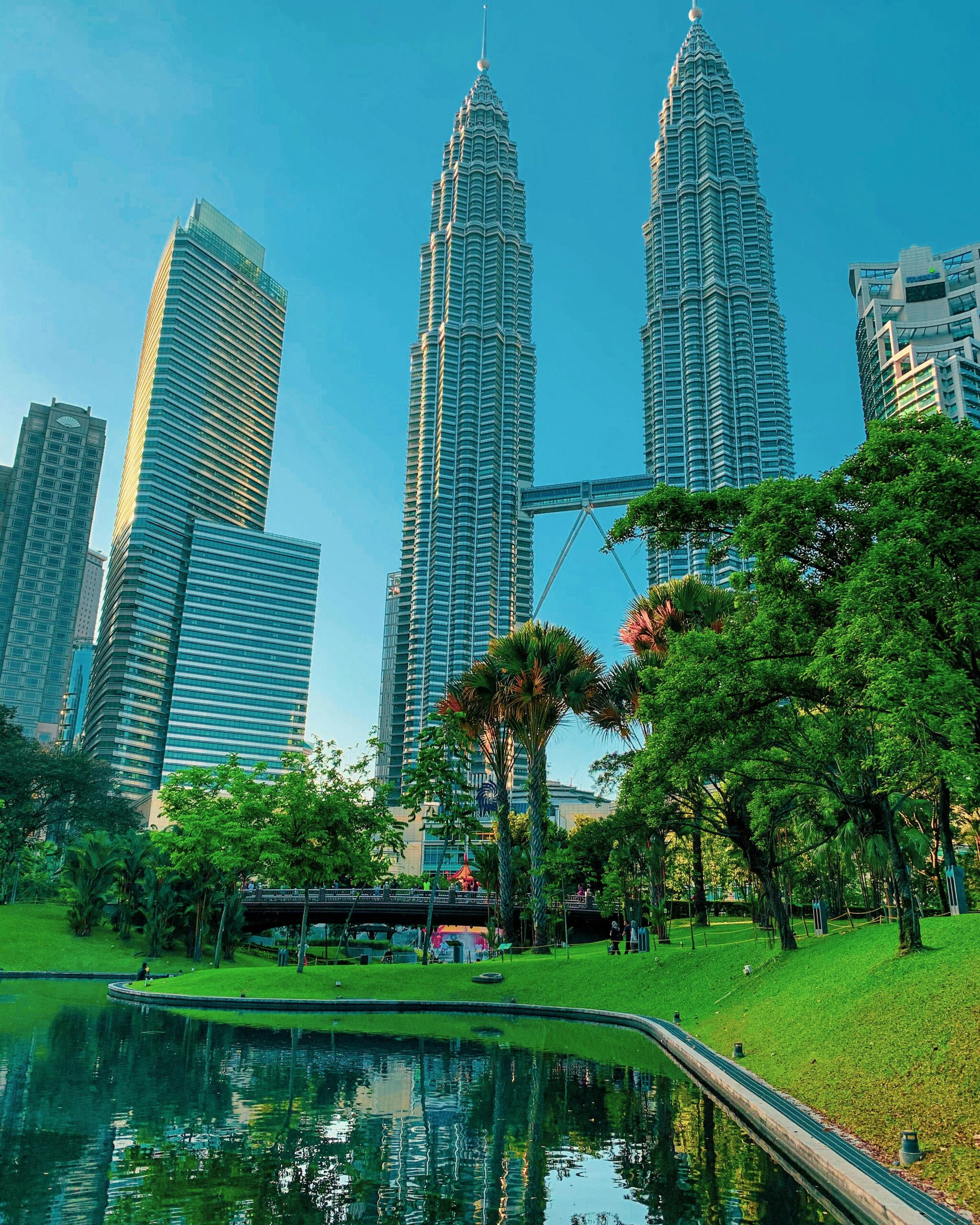
Location, Area, and Population
Kuala Lumpur is located in peninsular Malaysia, within the state of Selangor, although it is a federal territory on its own. The city is situated on the Klang Valley, surrounded by hills and tropical rainforest, and covers approximately 243 square kilometers.
Kuala Lumpur has a population of around 1.8 million residents, with over 7 million people in the greater metropolitan area (Wikipedia). The city is highly cosmopolitan, with Malay, Chinese, Indian, and expatriate communities, creating a rich cultural tapestry.
History and Cultural Heritage
Kuala Lumpur’s origins date back to the mid-19th century, when it was established as a small tin mining settlement at the confluence of the Gombak and Klang Rivers. The city quickly grew as a commercial hub during British colonial rule and was officially declared the capital of the Federation of Malaya in 1957 and later Malaysia.
Kuala Lumpur’s heritage is reflected in its colonial buildings, temples, mosques, and historical districts. Key cultural sites include:
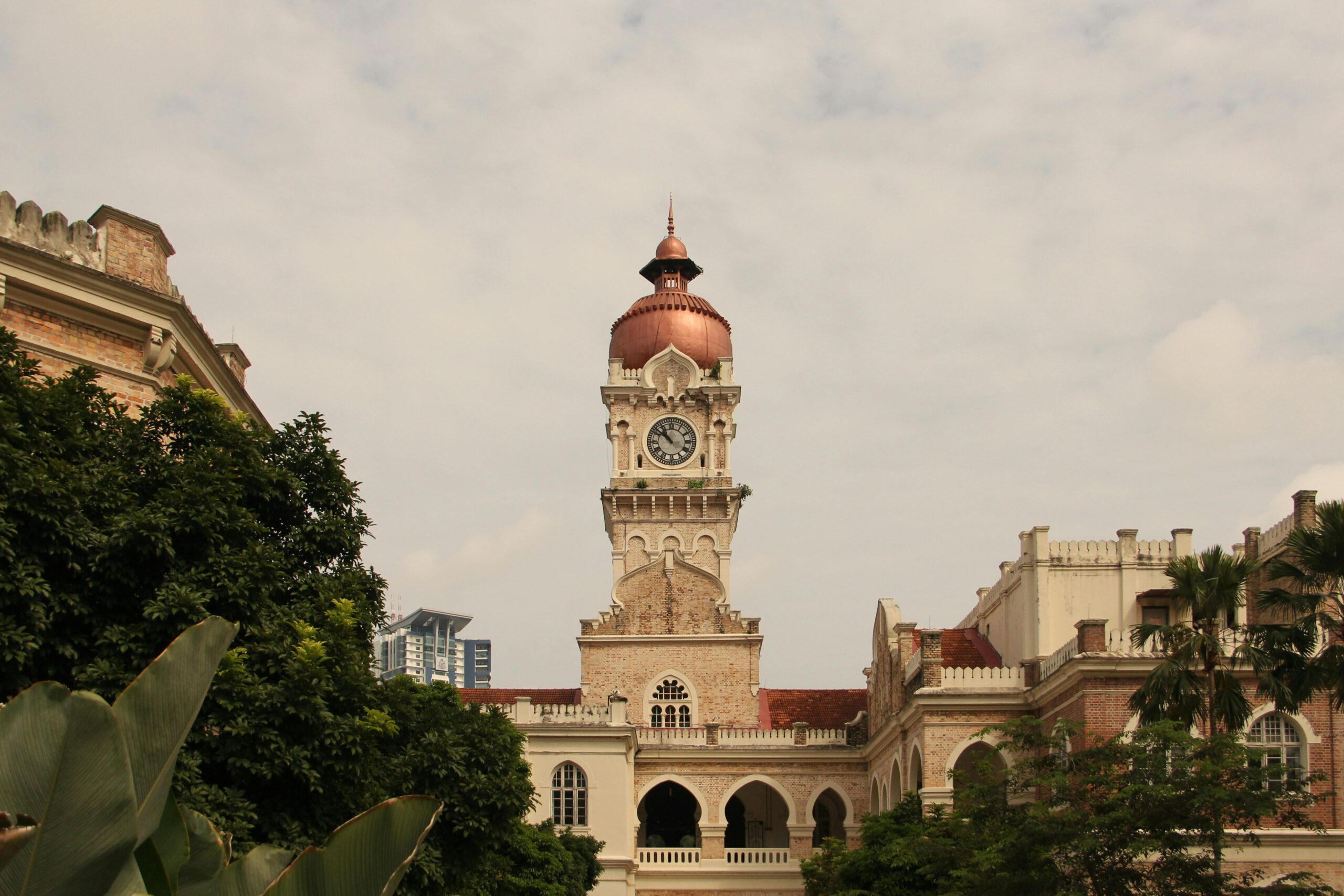
- Sultan Abdul Samad Building – Colonial architecture at Merdeka Square
- Masjid Jamek – One of the oldest mosques in the city
- Thean Hou Temple – Elaborate Chinese temple with stunning views
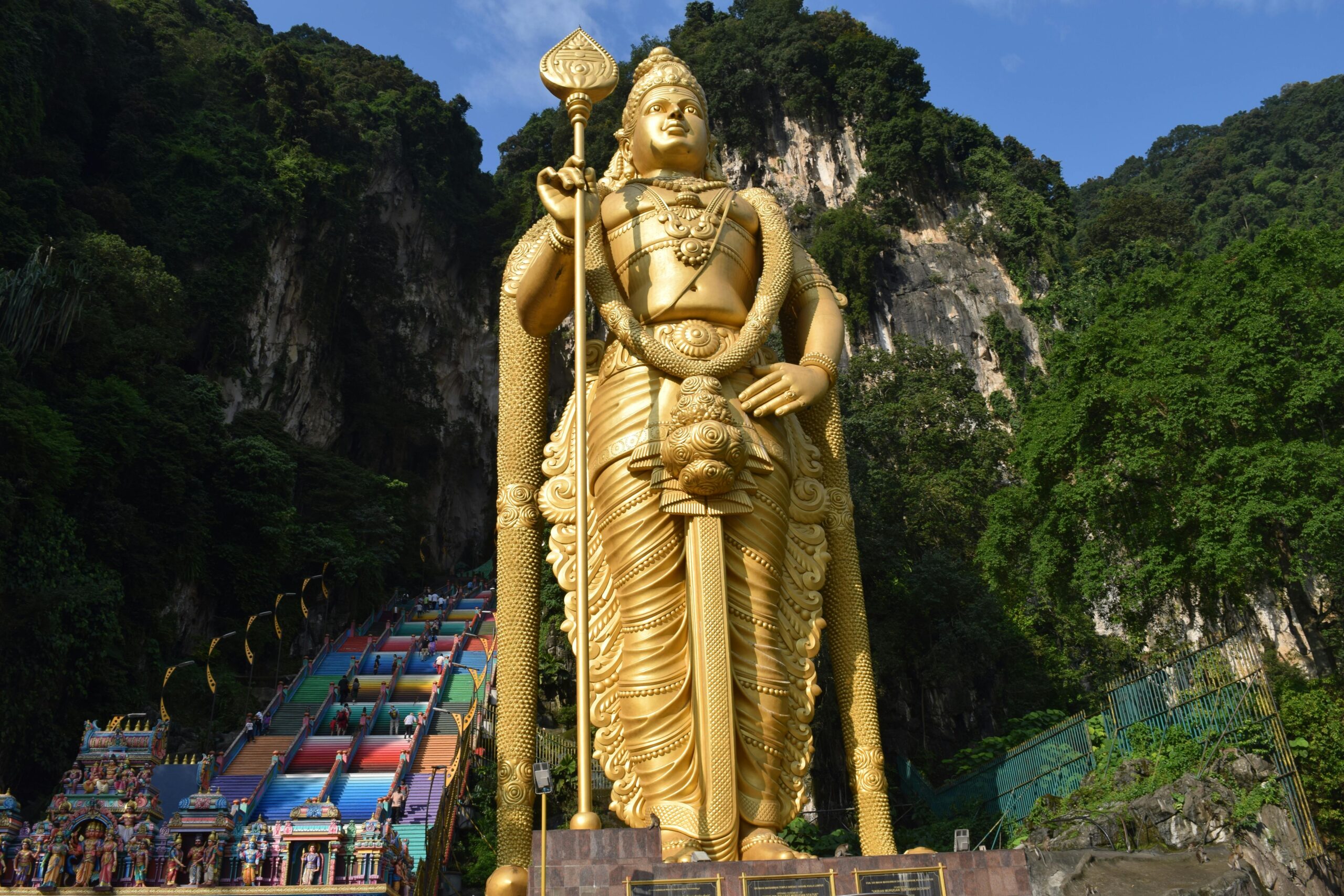
- Batu Caves – Hindu temple complex featuring a massive golden statue
Festivals such as Chinese New Year, Hari Raya Aidilfitri, Deepavali, and Thaipusam showcase the city’s multicultural vibrancy.
Iconic Landmarks and Places to Visit
Kuala Lumpur is home to a mix of modern and traditional landmarks:
- Petronas Twin Towers – World-famous skyscrapers with observation deck
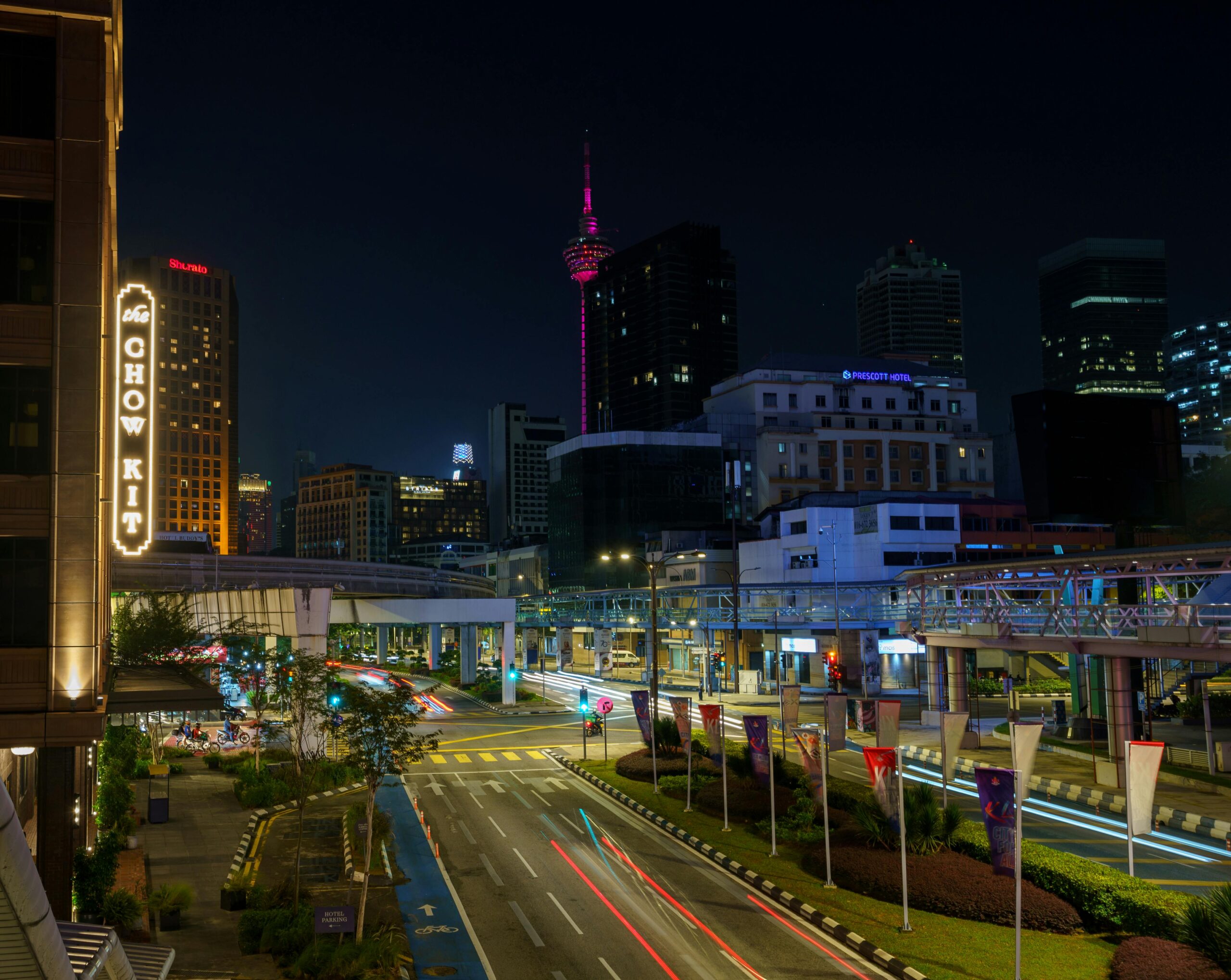
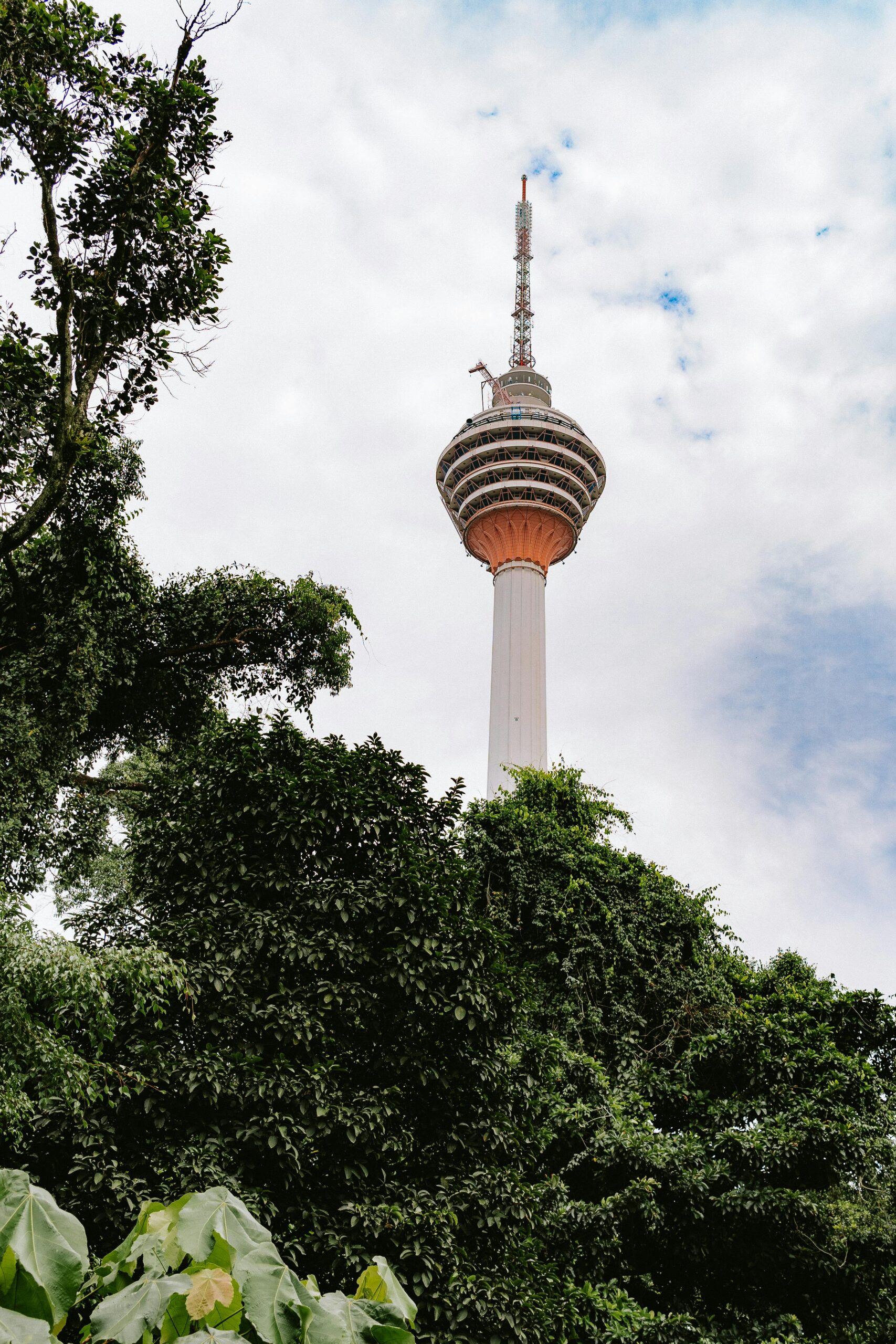
- KL Tower (Menara Kuala Lumpur) – Panoramic views of the city
- Bukit Bintang – Shopping and entertainment district
- Merdeka Square – Historic colonial-era landmark
- Chinatown (Petaling Street) – Bustling market and local food hub
- Batu Caves – Hindu temple inside limestone caves
- Islamic Arts Museum Malaysia – Exhibiting Islamic heritage and art
Each location highlights a different aspect of Kuala Lumpur’s character, from modern innovation to historic charm.
Food and Traditional Cuisine
Kuala Lumpur is a food lover’s paradise, reflecting the city’s multicultural population. Traditional Malay, Chinese, Indian, and fusion cuisines are widely available.
Must-try dishes include:
- Nasi Lemak – Fragrant coconut rice with sambal, anchovies, and egg
- Roti Canai – Flaky flatbread served with curry
- Char Kway Teow – Stir-fried flat noodles with seafood and soy sauce
- Hokkien Mee – Thick noodles with dark soy sauce and pork or seafood
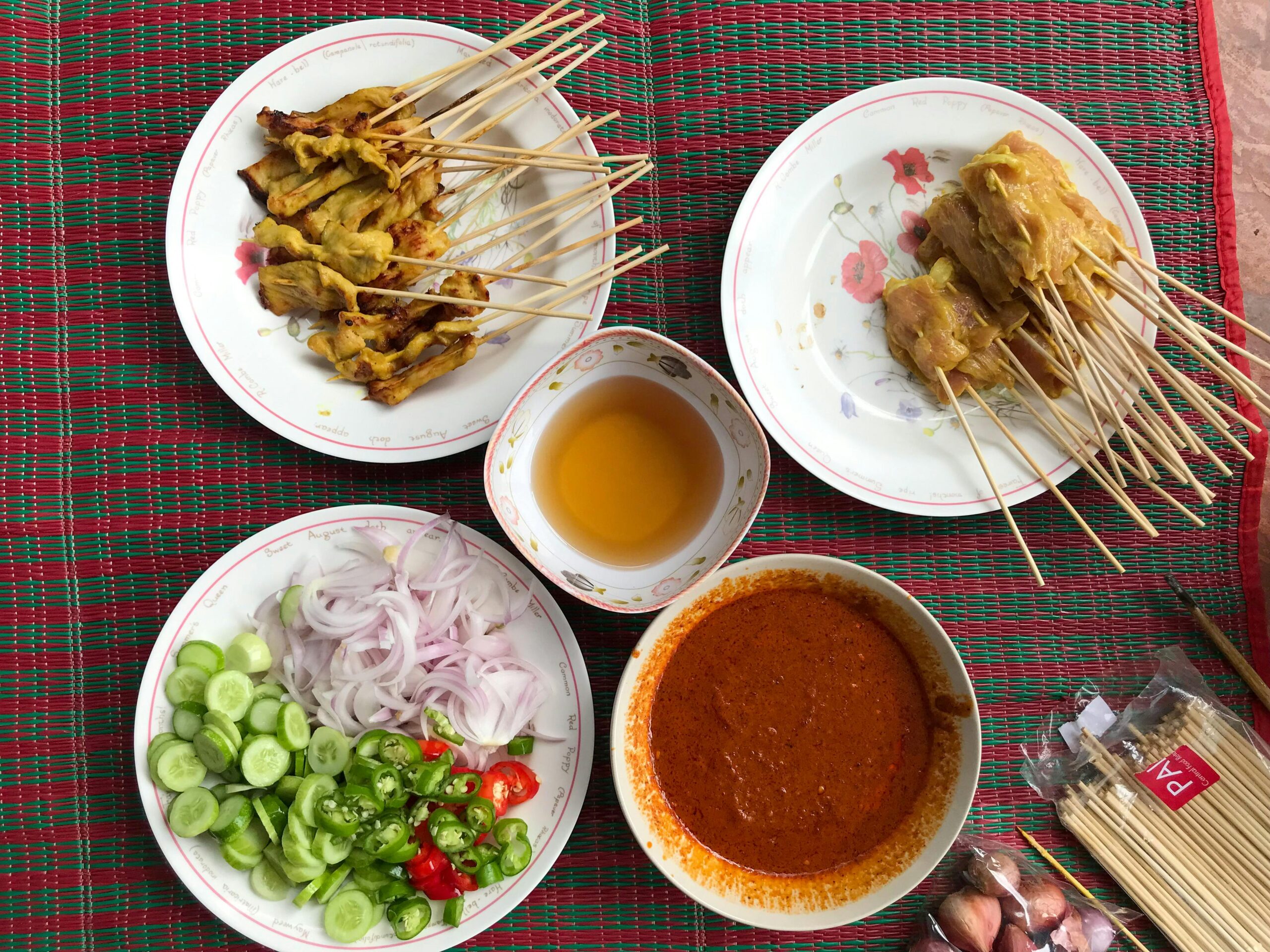
- Satay – Grilled skewers with peanut sauce
From street hawker stalls to fine dining, Kuala Lumpur offers a spectrum of flavors that reflects its cultural diversity.
Best Time to Visit and Weather
Kuala Lumpur has a tropical rainforest climate with high humidity and temperatures ranging from 25–35°C year-round:
- March–October: Best months for sightseeing, though occasional rain
- November–February: Monsoon season, with heavy rainfall but fewer tourists
Visitors can enjoy Kuala Lumpur any time of year, though planning around rain is recommended for outdoor activities.
Nightlife and Entertainment
Kuala Lumpur has a vibrant nightlife that combines modern entertainment with traditional performances:
- Bukit Bintang and Changkat – Bars, pubs, and nightclubs
- Rooftop lounges – City skyline views with cocktails
- Live music venues – Jazz, rock, and K-pop performances
- Cultural shows – Traditional Malay dance and theater
The city caters to both party-goers and cultural enthusiasts, offering a wide variety of evening experiences.
Outdoor Activities and Scenic Spots
Kuala Lumpur may be urban, but it also offers excellent outdoor experiences:
- KL Forest Eco Park – A rainforest reserve in the heart of the city
- Perdana Botanical Gardens – Relaxing green spaces with lakes and gardens
- Batu Caves – Hiking and temple exploration
- Bukit Tabur – Challenging hiking trail with panoramic views
- Genting Highlands – Nearby mountain resort with cooler climate and entertainment
These spaces provide a balance between city life and natural beauty.
Why Kuala Lumpur Is Unique
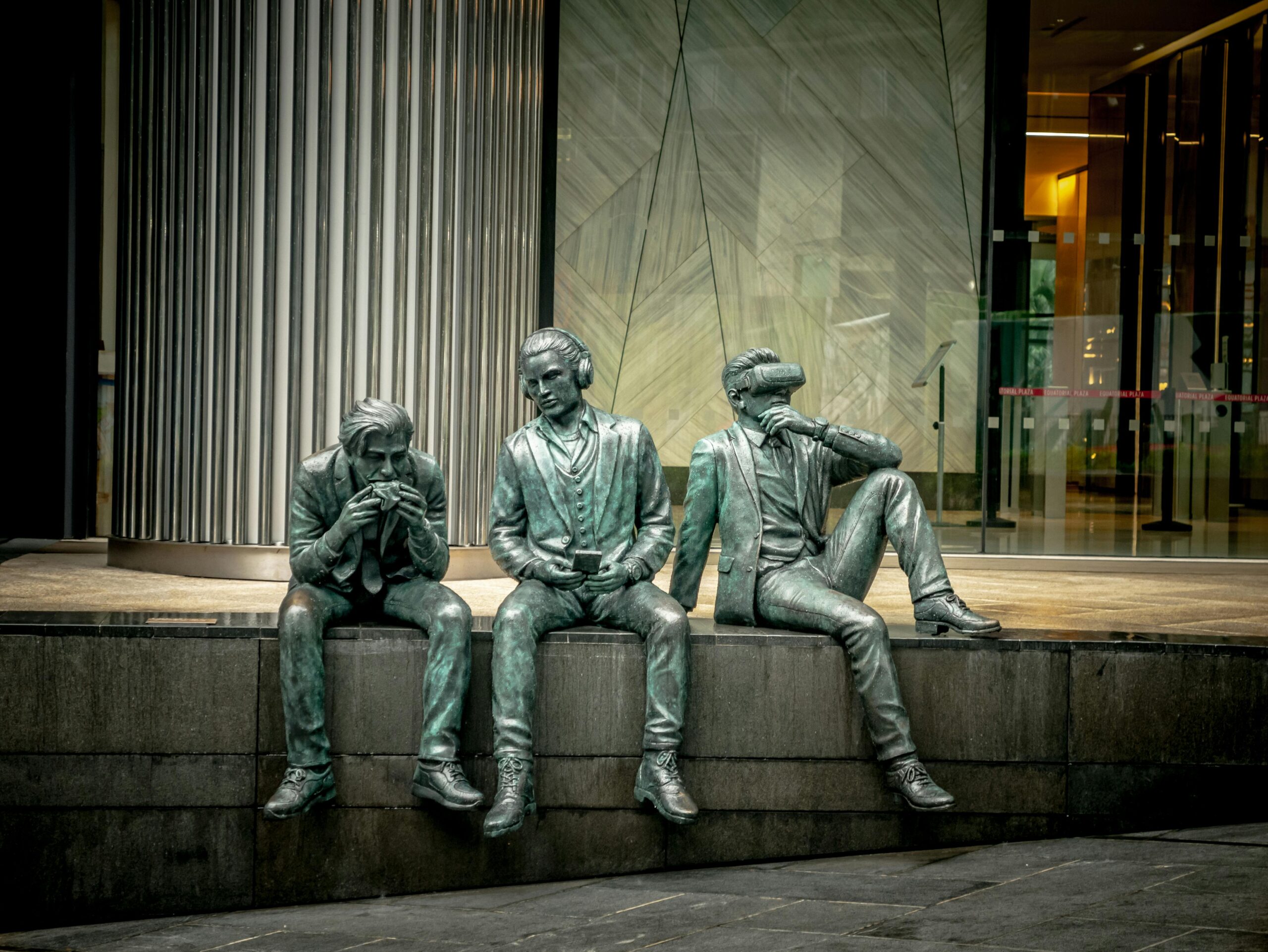
Kuala Lumpur stands out for its multicultural identity, dynamic skyline, and culinary excellence. Few cities can offer such a rich fusion of tradition, modernity, and diversity in such a compact area. Its ability to honor heritage while embracing innovation makes it a top destination in Asia.
Conclusion
Kuala Lumpur is more than a city—it is a microcosm of Malaysia itself. From historic mosques and temples to towering skyscrapers and bustling markets, Kuala Lumpur offers travelers an authentic and unforgettable experience. Every visit reveals new layers of culture, cuisine, and urban energy, making it a must-visit destination in Southeast Asia.