
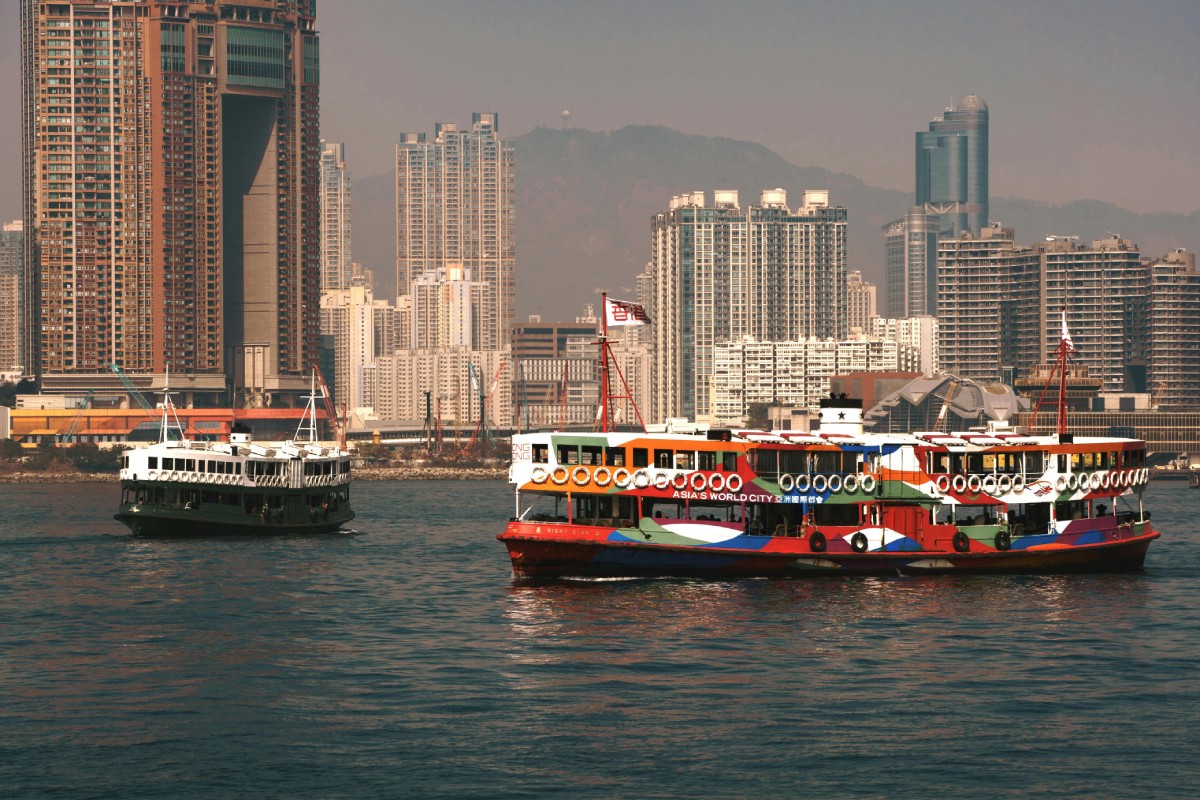
Hong Kong is a vibrant, fast-paced city where East meets West, blending ancient traditions, colonial heritage, and futuristic urban landscapes. Known as the “Pearl of the Orient,” Hong Kong is one of the world’s most dynamic financial hubs and a top travel destination in Asia. From the bustling streets of Mong Kok to the serene peaks of Victoria Peak, Hong Kong offers a unique mix of culture, shopping, cuisine, and natural beauty.
Whether exploring historic temples, riding iconic trams, or enjoying panoramic city views, visitors discover that Hong Kong is not just a city—it is an experience of contrasts and energy.
Location, Area, and Population
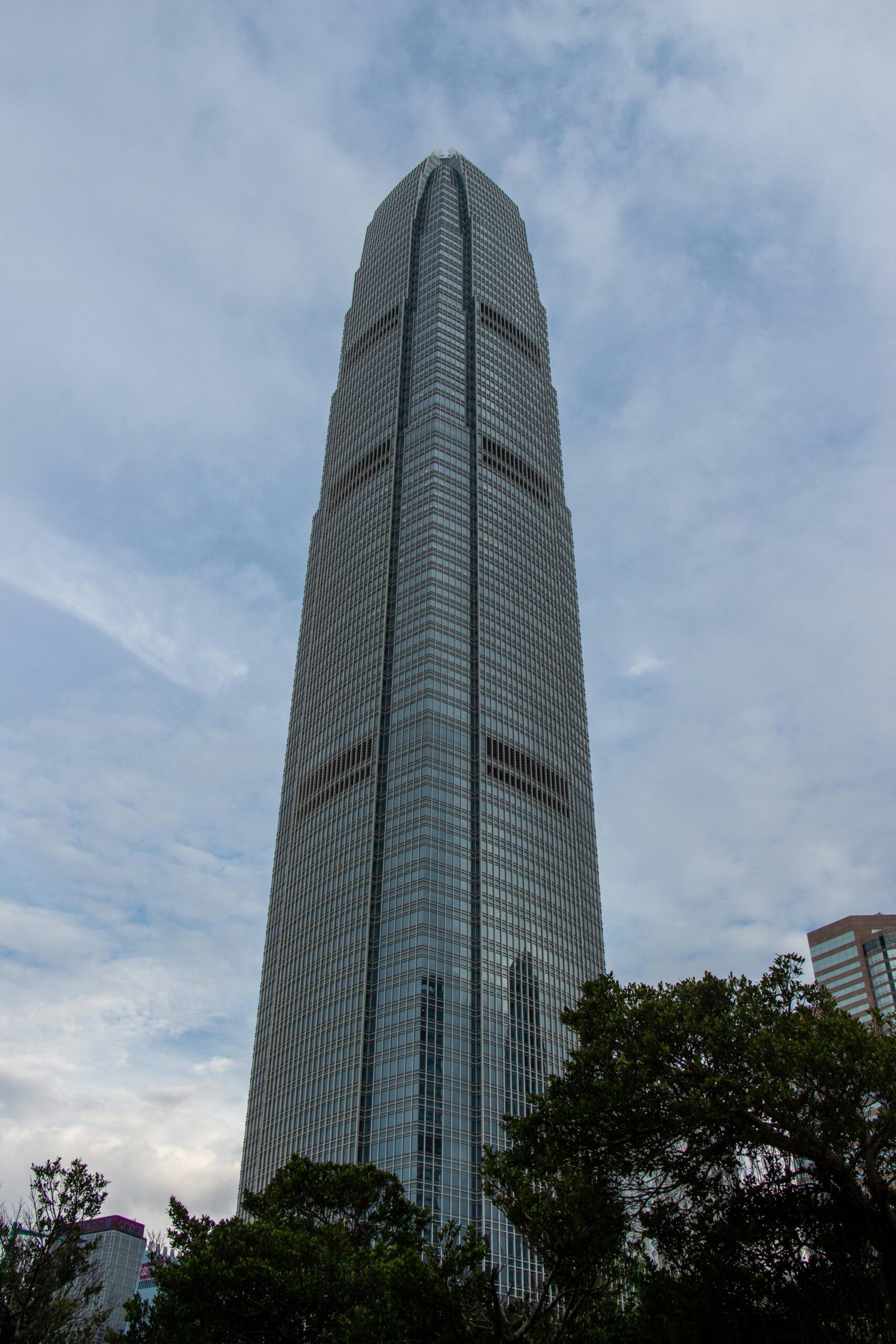
Hong Kong is located on the southern coast of China, facing the South China Sea. The region consists of Hong Kong Island, Kowloon Peninsula, the New Territories, and over 200 smaller islands, covering a total area of approximately 1,106 square kilometers.
Hong Kong has a population of over 7.5 million people (Wikipedia), making it one of the most densely populated regions in the world. Despite its high density, the city is well-organized, with a world-class public transport system, including the MTR subway, ferries, trams, and buses.
History and Cultural Heritage
Hong Kong’s history reflects a rich blend of Chinese and Western influences. Originally a fishing and trading port, it became a British colony in 1842 after the First Opium War. In 1997, Hong Kong was handed back to China under the “one country, two systems” principle, preserving its economic and legal systems.
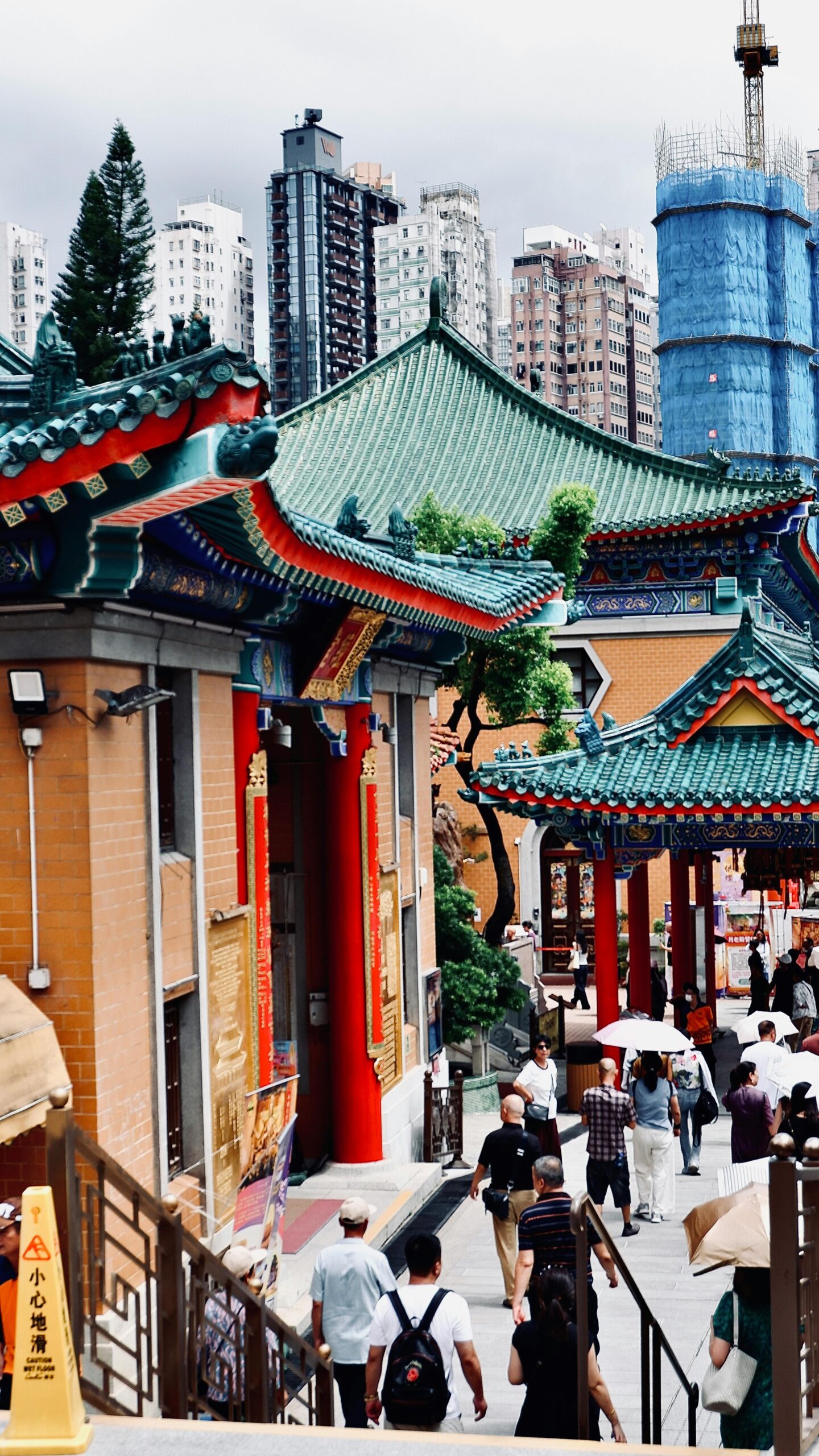
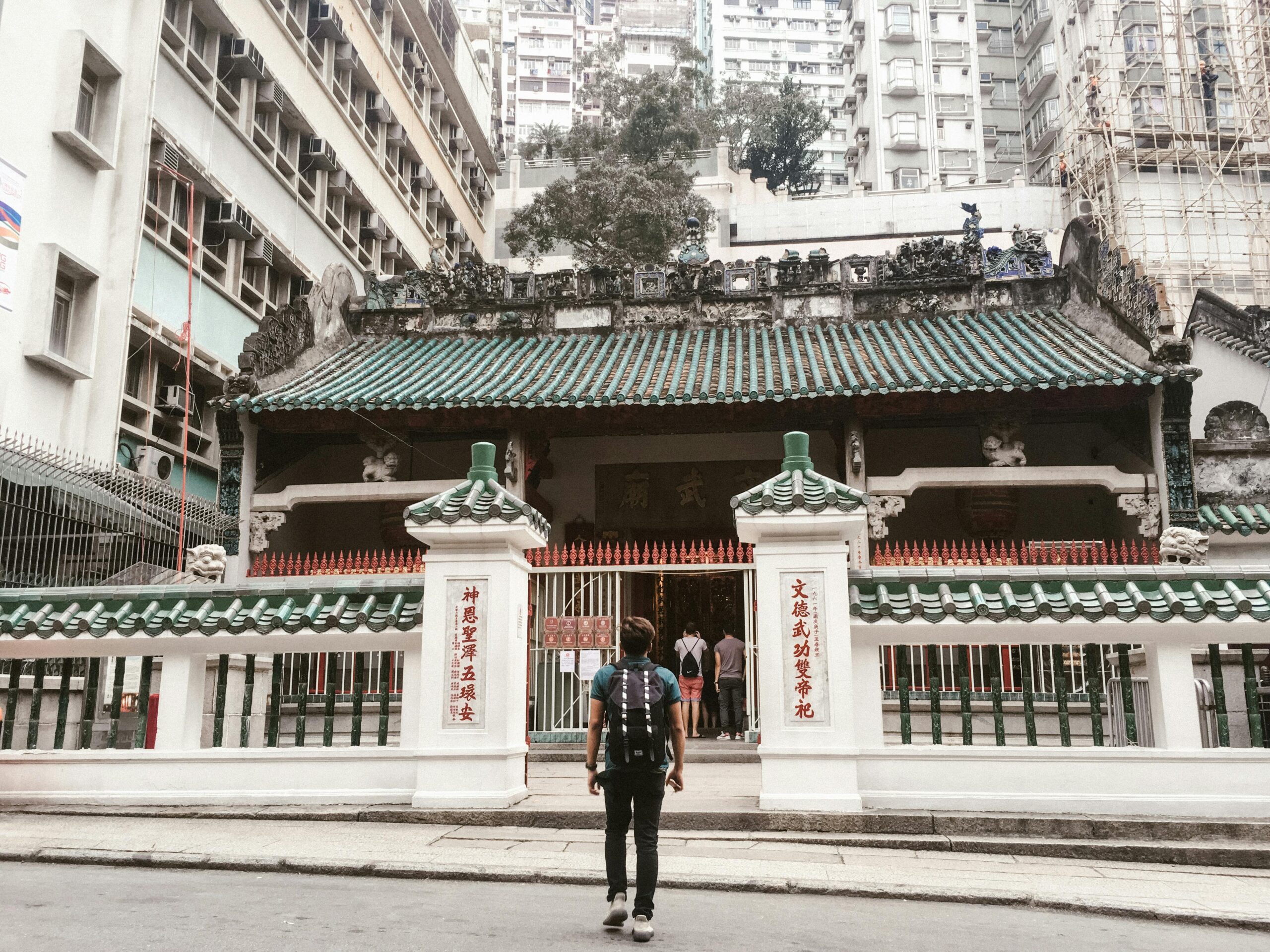
The city retains colonial-era architecture, traditional markets, and temples, such as:
- Man Mo Temple – Dedicated to the gods of literature and war
- Tin Hau Temple – Worship of the goddess of the sea
- Western Market – Historical building reflecting colonial architecture
Hong Kong also celebrates cultural festivals like Chinese New Year, Mid-Autumn Festival, and the Dragon Boat Festival, reflecting its deep Chinese heritage.
Iconic Landmarks and Places to Visit
Hong Kong offers a wealth of attractions:
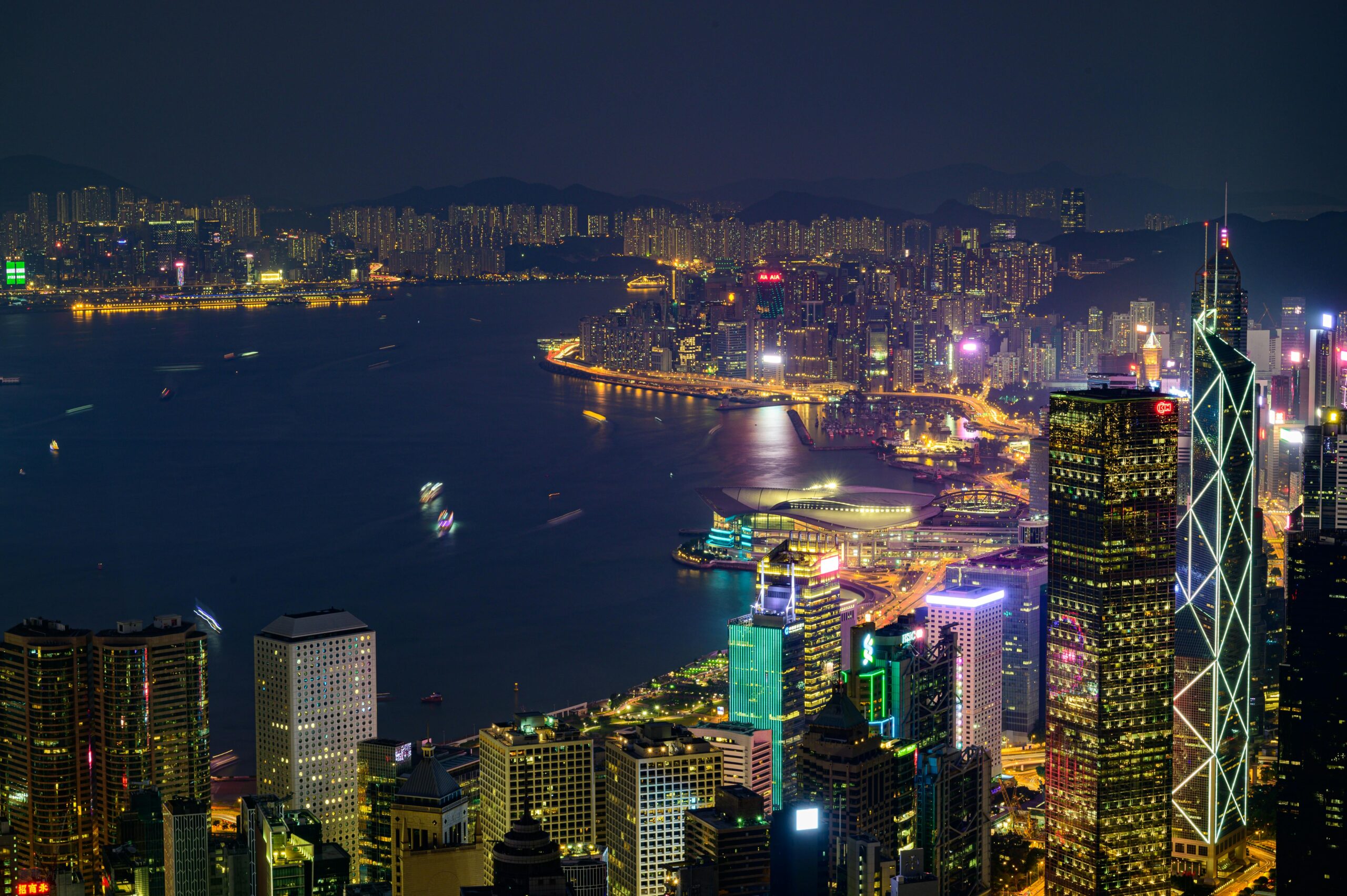
- Victoria Peak – Stunning panoramic views of the skyline and harbor
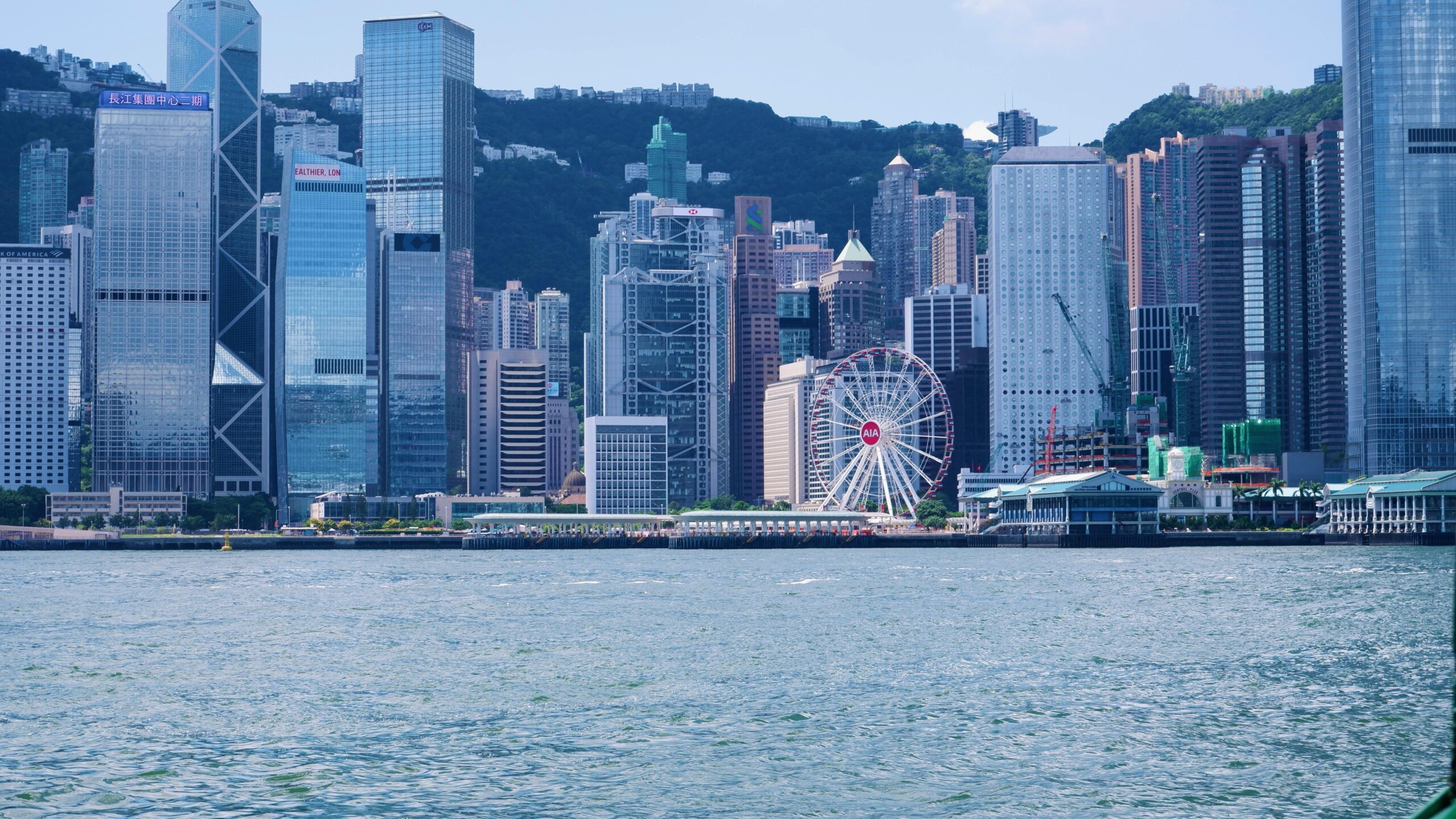
- Tsim Sha Tsui Promenade & Avenue of Stars – Iconic harbor views
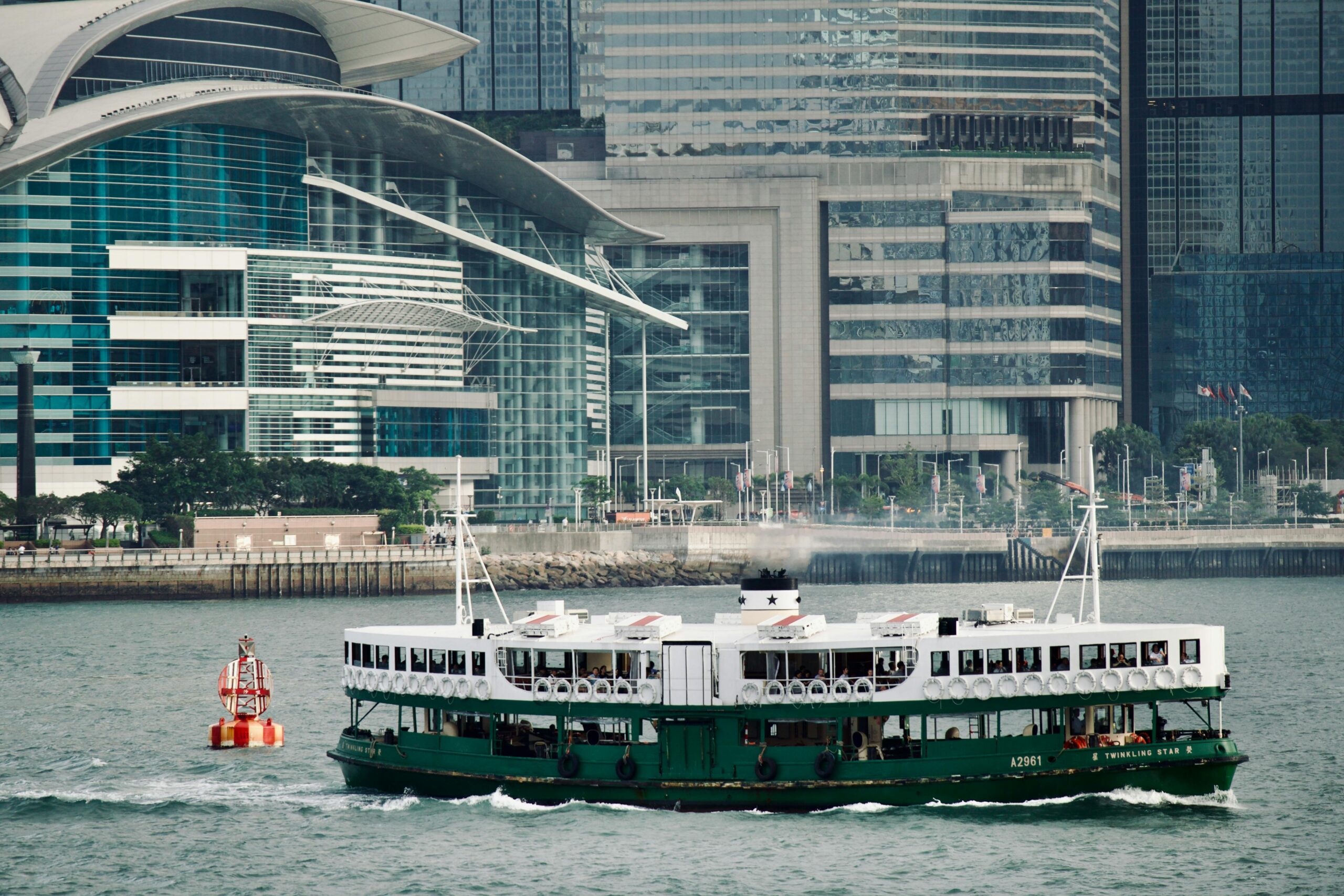
- Star Ferry – Historic ferry connecting Kowloon and Hong Kong Island
- Ngong Ping 360 & Tian Tan Buddha – Giant Buddha statue on Lantau Island
- Temple Street Night Market – Bustling street market for food and shopping
- Ocean Park – Theme park and marine conservation center
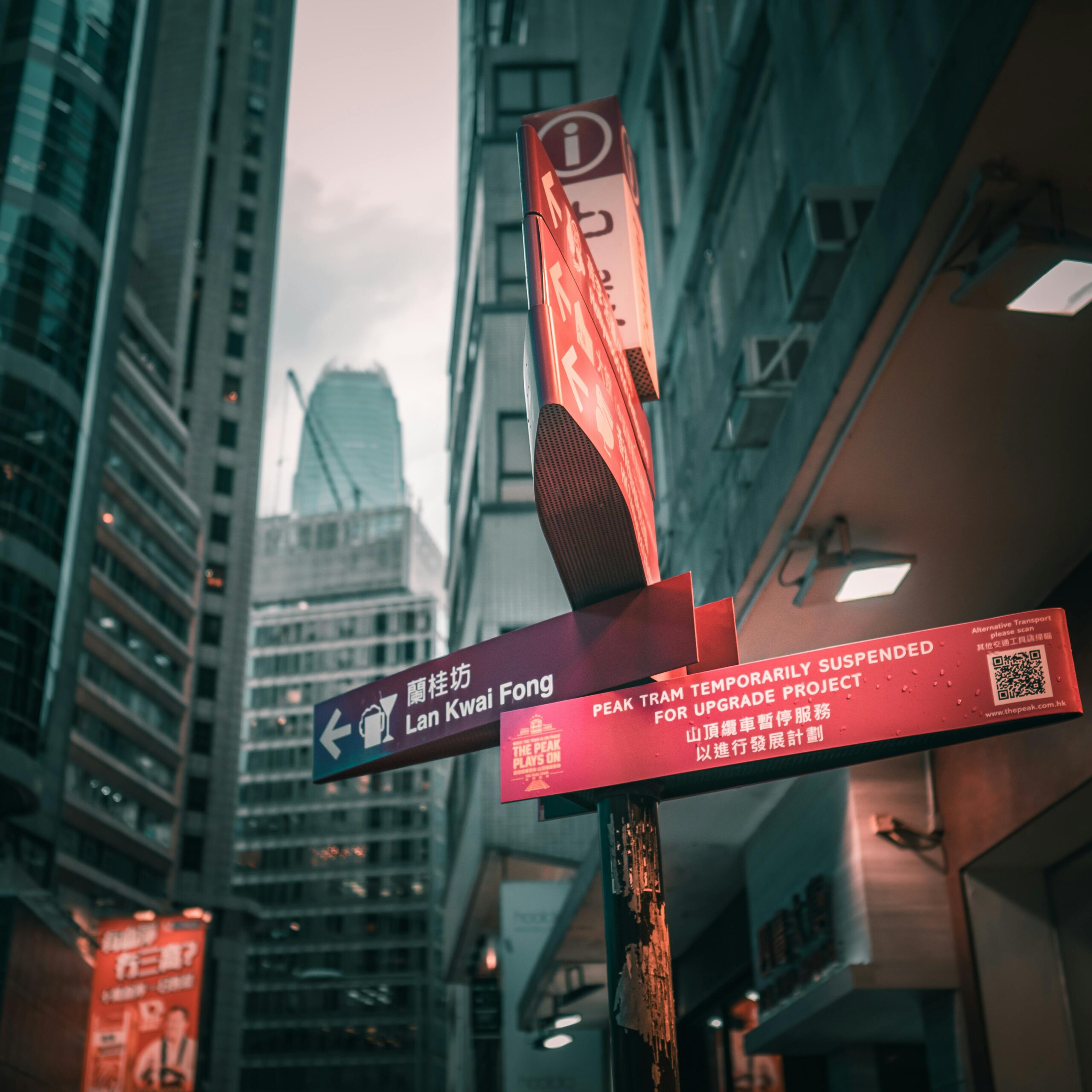
- Lan Kwai Fong – Popular nightlife district
Each landmark highlights the city’s blend of modernity, nature, and tradition.
Food and Traditional Cuisine
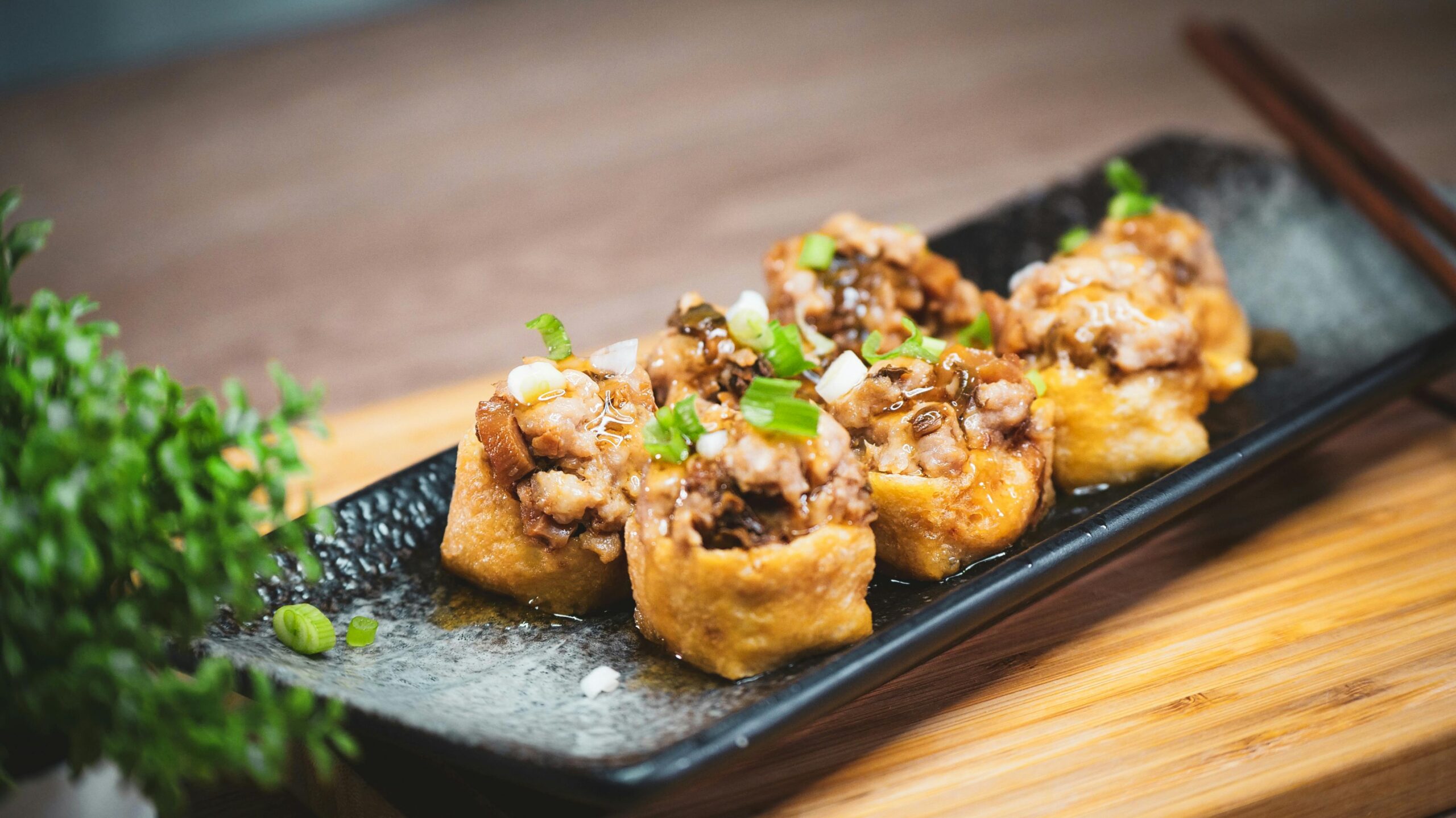
Hong Kong is widely regarded as a food paradise, offering everything from street food to Michelin-starred dining. Traditional Cantonese cuisine dominates, alongside influences from across Asia.
Must-try dishes include:
- Dim Sum – Bite-sized steamed or fried dishes
- Roast goose – Specialty of Hong Kong
- Wonton noodles – Classic comfort dish
- Egg tarts – Popular sweet treat
- Seafood – Fresh and often prepared with local spices
Hong Kong’s street food culture, night markets, and tea houses make it a culinary wonderland.
Best Time to Visit and Weather
Hong Kong has a subtropical climate with hot, humid summers and mild winters:
- Autumn (October–December): Ideal time to visit, mild weather and clear skies
- Winter (January–February): Cooler, comfortable temperatures, fewer tourists
- Spring (March–May): Warm with occasional rain
- Summer (June–September): Hot, humid, and rainy; typhoon season
Autumn is considered the best season for sightseeing and outdoor activities.
Nightlife and Entertainment
Hong Kong offers vibrant nightlife options:
- Lan Kwai Fong & SoHo – Trendy bars, restaurants, and clubs
- Harbor cruises – Evening views of the illuminated skyline
- Cultural shows – Cantonese opera, music, and art exhibitions
The city caters to both party enthusiasts and cultural explorers.
Outdoor Activities and Scenic Spots
Despite its urban density, Hong Kong has impressive natural spaces:
- Hiking trails – Dragon’s Back, Lantau Peak, Lion Rock
- Beaches – Repulse Bay, Shek O, Big Wave Bay
- Parks & gardens – Hong Kong Park, Kowloon Park
- Outlying islands – Lamma Island, Cheung Chau for local culture and seafood
These outdoor spots provide a peaceful contrast to the busy city life.
Why Hong Kong Is Unique
Hong Kong is unique for its fusion of cultures, global outlook, and natural beauty, all packed into a compact city. Its skyline, harbors, mountains, and islands make it one of the most visually striking and exciting cities in the world.
Conclusion
Hong Kong is more than a city—it is a dynamic crossroads of culture, commerce, and adventure. From ancient temples to modern skyscrapers, street markets to luxury shopping, Hong Kong offers a multifaceted experience that appeals to travelers of every interest. Every visit reveals the city’s unique energy, charm, and sophistication.