
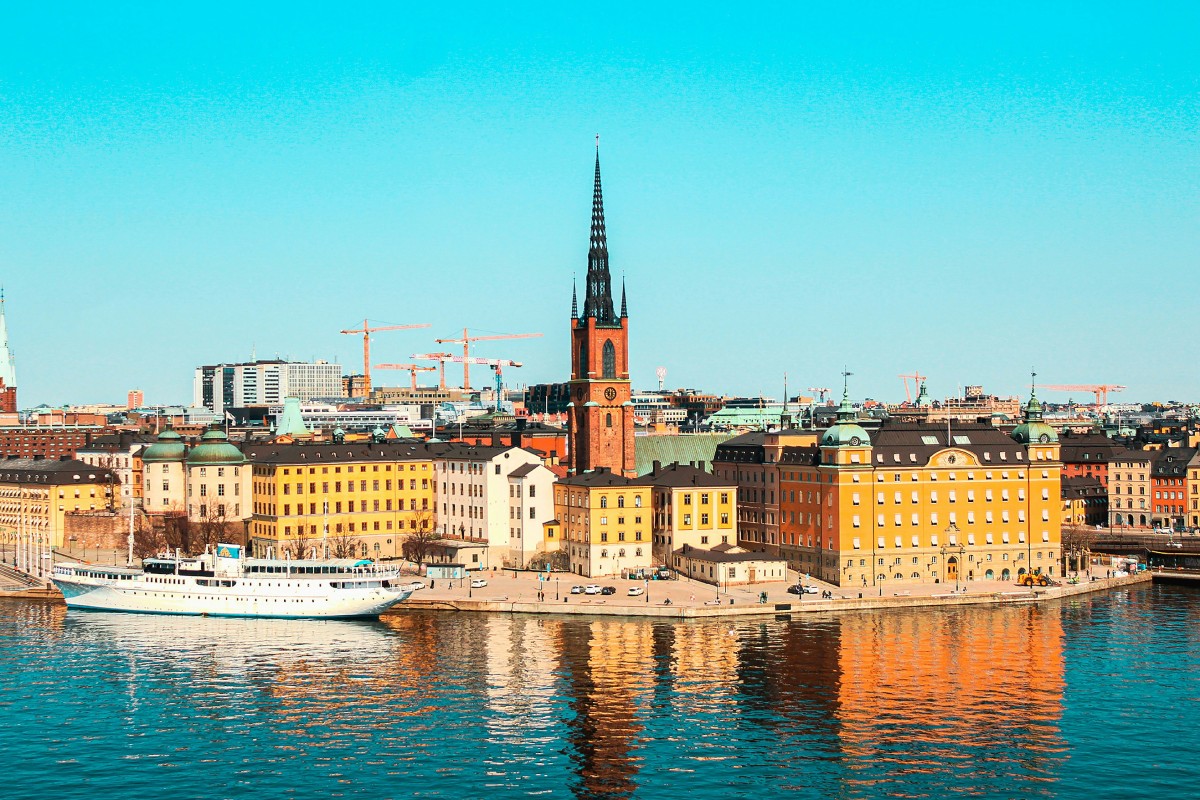
Stockholm, the capital of Sweden, is a breathtaking city spread across 14 islands connected by more than 50 bridges, earning it the nickname “The Venice of the North.” Known for its picturesque waterfronts, historic architecture, modern design, and vibrant cultural scene, Stockholm is often regarded as one of Europe’s most elegant, livable, and sustainable cities. Whether you’re wandering through cobbled streets, exploring world-class museums, or cruising its serene canals, the city offers a unique blend of history, nature, and modern life.

Location, Area, and Population
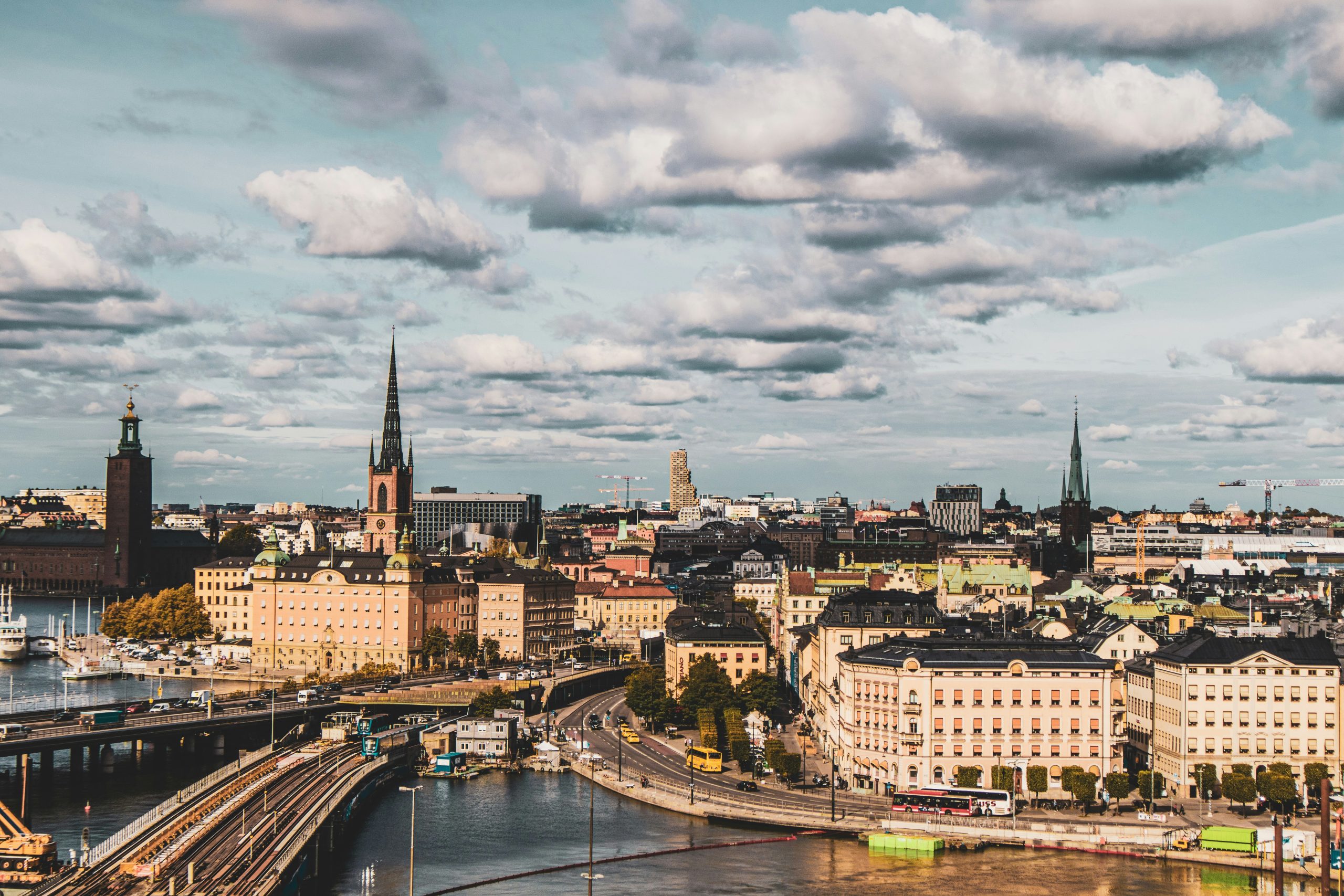
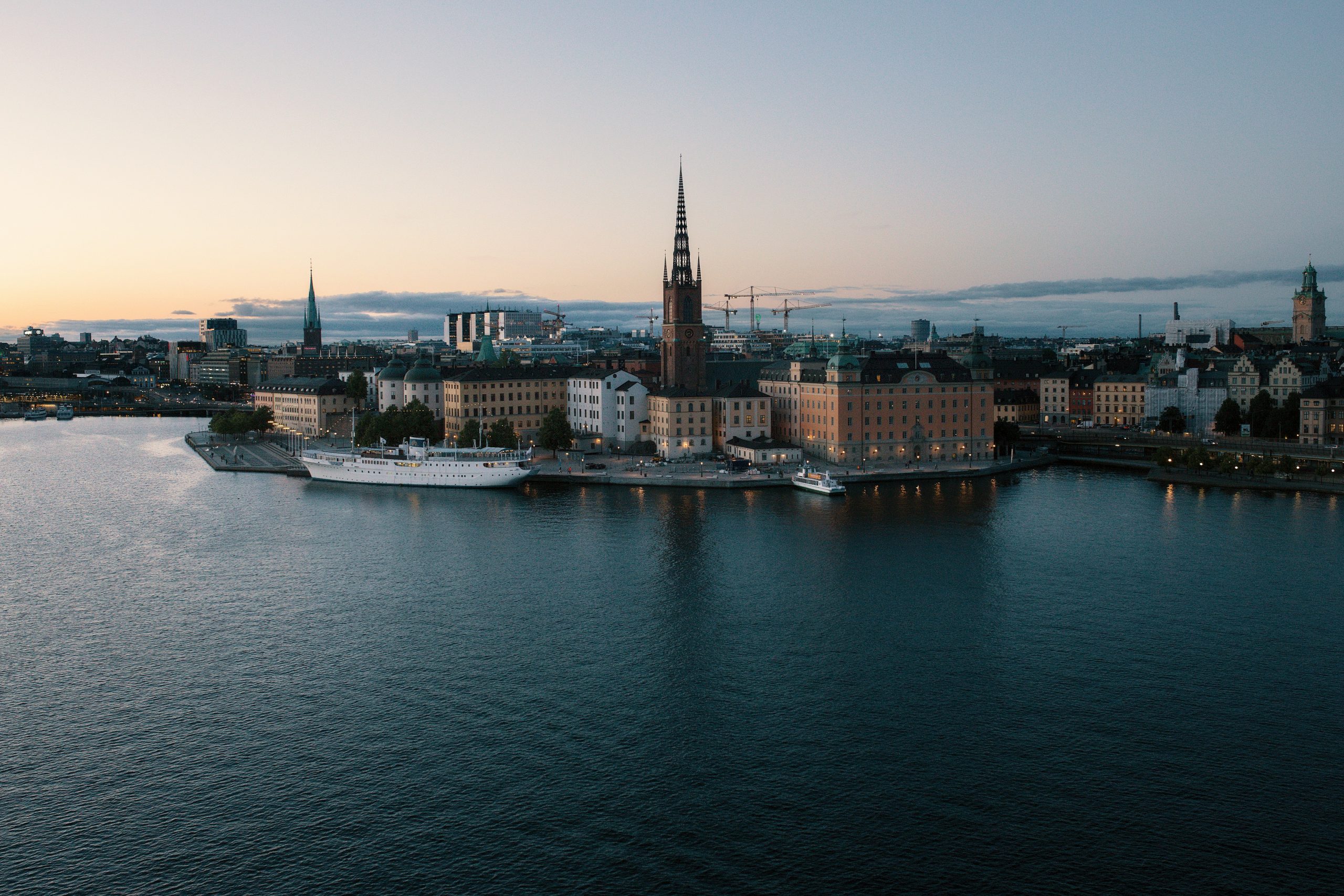
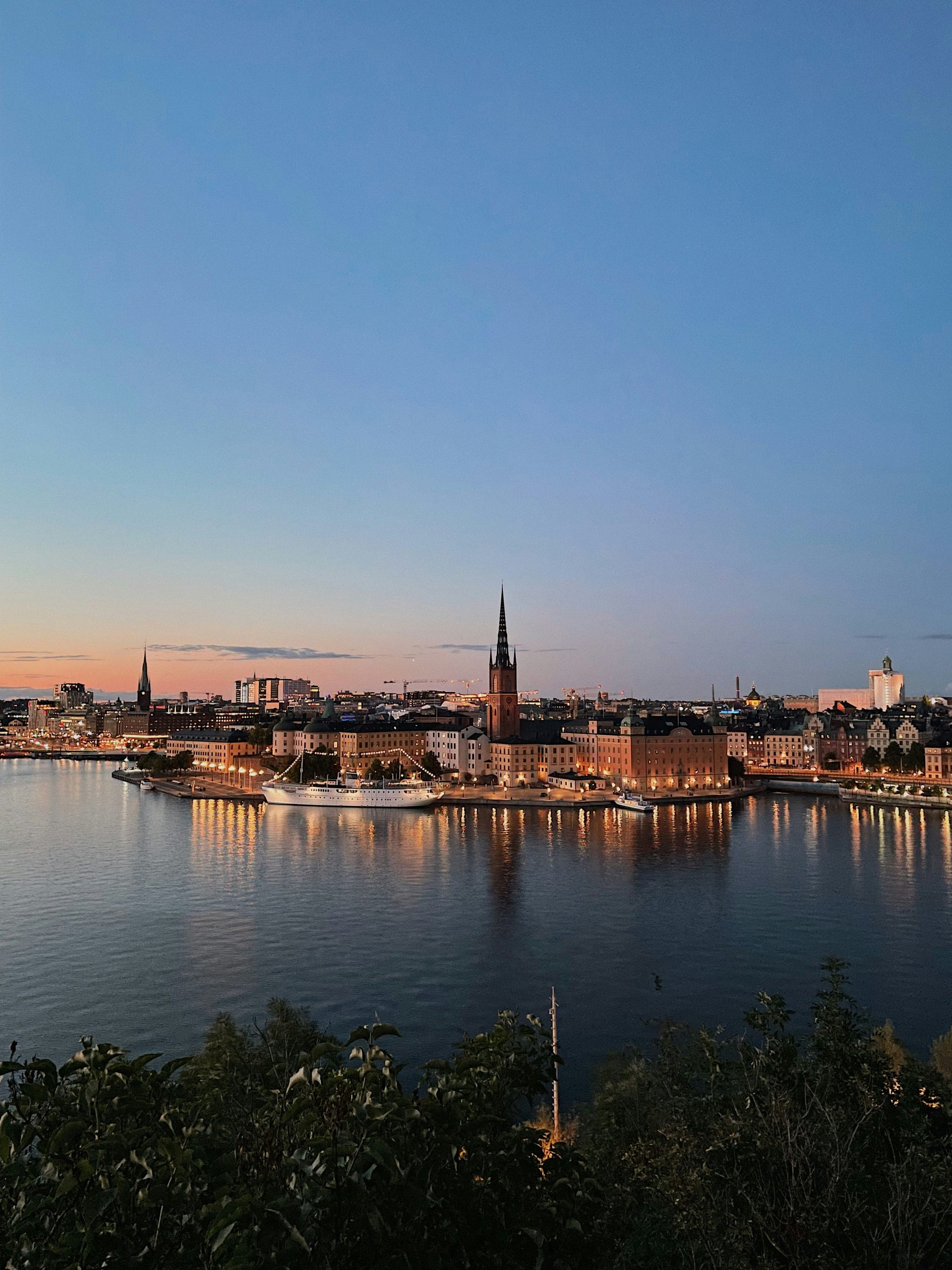
Stockholm is located on the east coast of Sweden, where Lake Mälaren flows into the Baltic Sea, creating the city’s unique network of islands and waterways. The city covers roughly 188 square kilometers, combining historic neighborhoods, modern urban districts, parks, and scenic waterfront promenades.
With about 975,000 residents in the city and over 2.4 million in the metropolitan area, Stockholm is the largest city in Sweden (Wikipedia). Its layout across islands like Gamla Stan, Södermalm, Djurgården, and Kungsholmen gives the city a rhythm where urban life and nature coexist seamlessly.
The city’s bridges, canals, and green spaces make it ideal for walking and cycling, while the surrounding waters provide endless opportunities for boating, kayaking, and waterfront strolls. These features contribute to Stockholm’s reputation as one of Europe’s most scenic and livable capitals.
History and Cultural Heritage
Stockholm’s history dates back to the 13th century, starting as a small trading post strategically positioned at the entrance to Lake Mälaren. Over the centuries, it grew into Sweden’s political, cultural, and economic center.
The Old Town (Gamla Stan) preserves the city’s medieval charm with cobbled streets, colorful buildings, and historic squares, centered around the Royal Palace, one of Europe’s largest palaces still in use today. Stockholm is also home to several world-class museums:
- Vasa Museum – Showcasing a 17th-century warship preserved almost entirely intact, offering a fascinating glimpse into Sweden’s maritime history.
- ABBA Museum – Celebrating the legendary Swedish pop group ABBA, with interactive exhibits for music fans.
- Skansen Open-Air Museum – The world’s first open-air museum, where visitors can explore historic Swedish houses, farmsteads, and native wildlife.
Stockholm’s architecture reflects a mix of history and modernity, from medieval churches like Riddarholmen Church to contemporary designs in districts like Norrmalm. This combination gives the city a timeless yet innovative atmosphere.
Iconic Landmarks and Places to Visit
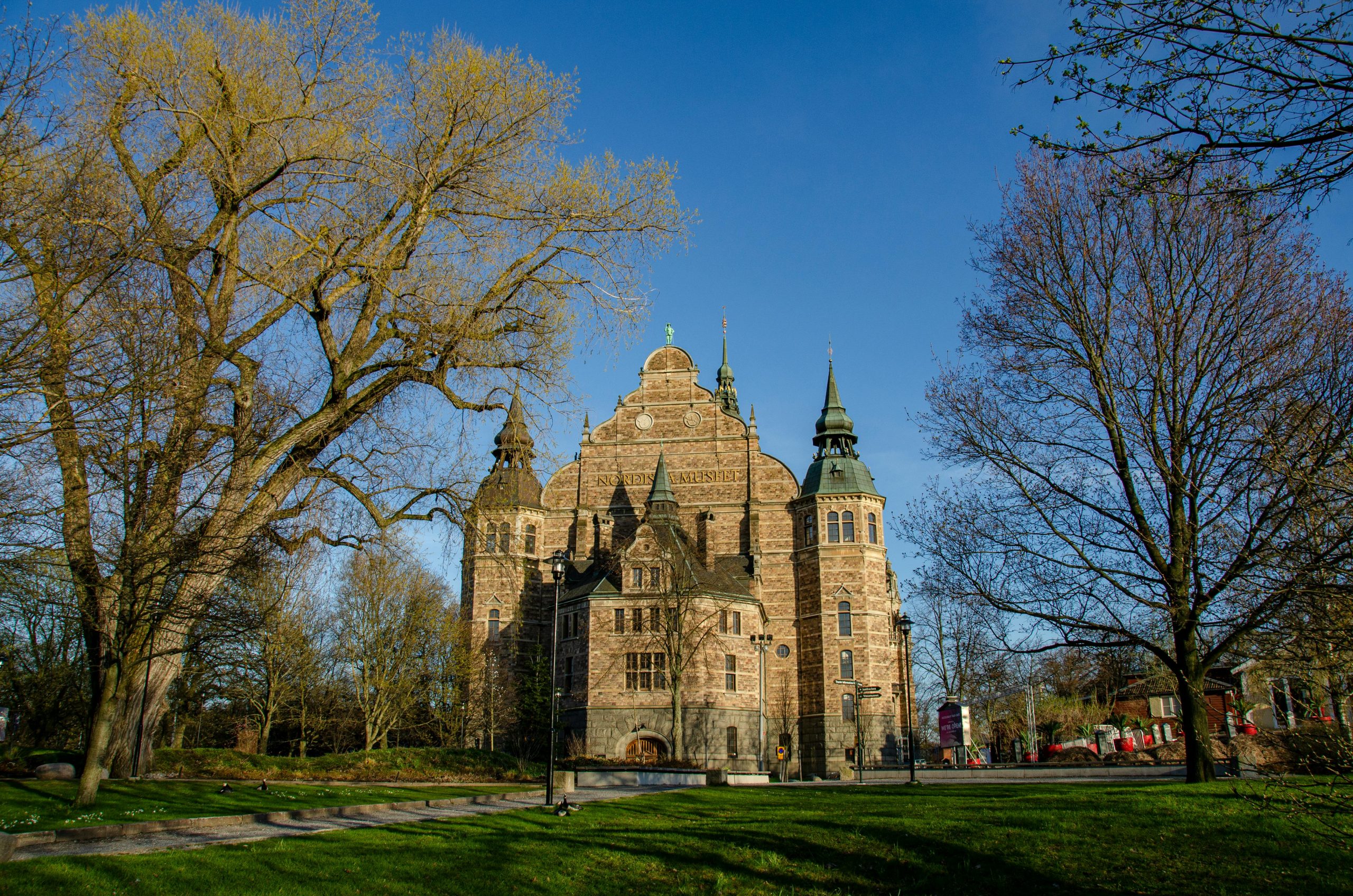
Stockholm is rich in landmarks that appeal to all types of travelers:
- Gamla Stan (Old Town) – Wander through winding streets lined with colorful buildings, historic squares, and quaint cafés.
- Royal Palace – Explore state rooms, museums, and witness the daily changing of the guard.
- Vasa Museum – See the 17th-century Vasa ship, one of the best-preserved warships in the world.
- ABBA Museum – Celebrate Swedish pop culture with interactive exhibits.
- Skansen Open-Air Museum – Experience Swedish history, architecture, and wildlife in a unique outdoor setting.
- Djurgården Island – Parks, museums, scenic walks, and cycling trails perfect for nature lovers.
- City Hall (Stadshuset) – Famous for its Golden Hall and the annual Nobel Prize banquet.
For photography enthusiasts, Stockholm’s bridges, canals, and waterfronts provide endless opportunities for breathtaking urban and nature shots.
Food and Traditional Cuisine
Stockholm offers a delightful mix of traditional Swedish cuisine and modern gastronomy. Some must-try dishes include:
- Swedish meatballs (köttbullar) – Served with creamy sauce, lingonberries, and mashed potatoes.
- Gravad lax – Cured salmon with a mustard-dill sauce, a Nordic classic.
- Räkmacka – Open-faced shrimp sandwich, often enjoyed with fresh bread and lemon.
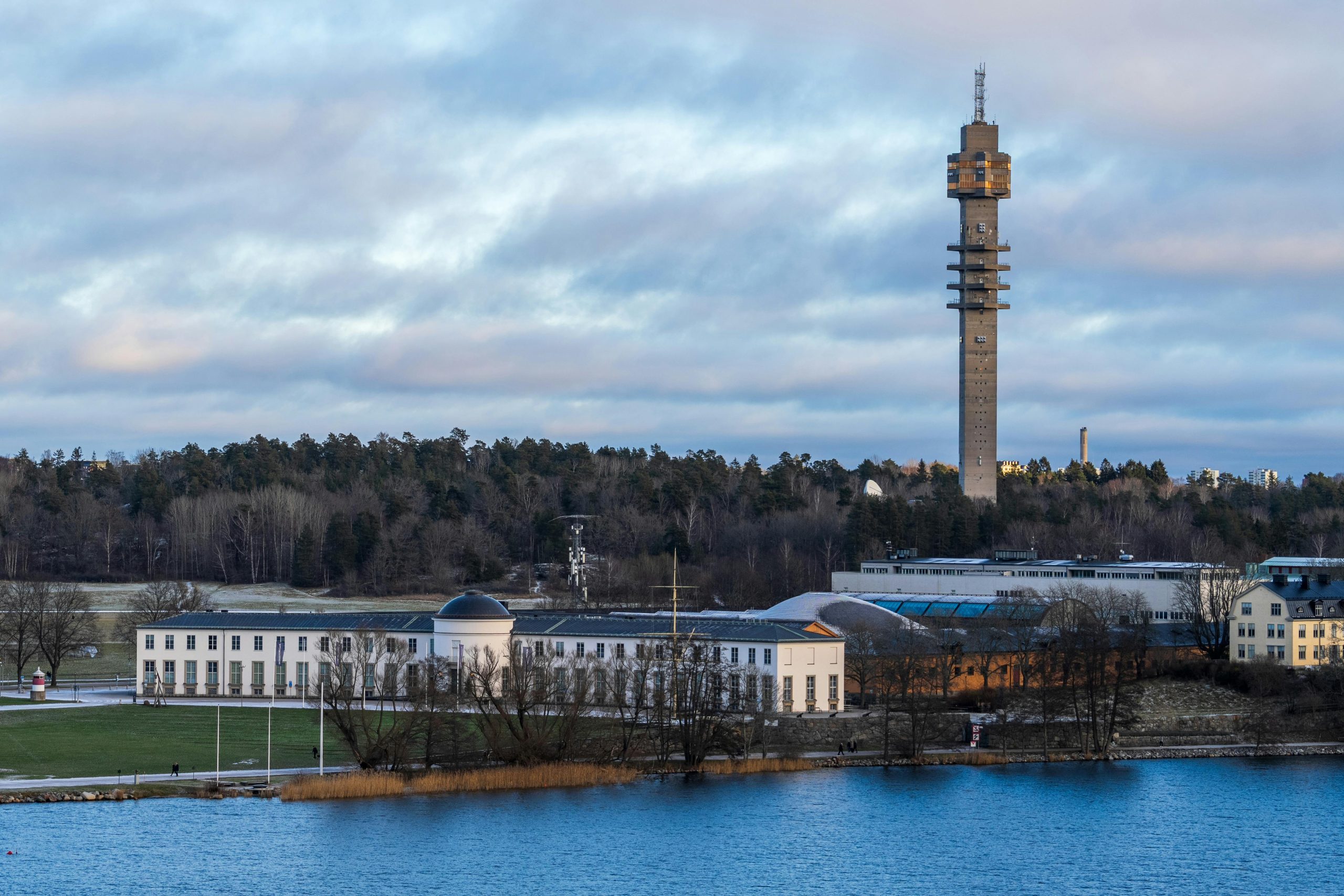
- Fika – The Swedish coffee break, usually accompanied by pastries such as cinnamon buns (kanelbullar) or cardamom buns.
- Seasonal dishes – Fresh seafood, foraged berries, and mushrooms reflect Sweden’s connection to nature.
In addition to traditional foods, Stockholm has Michelin-starred restaurants and trendy cafés, making it a city where eating is an experience in itself.
Best Time to Visit and Weather
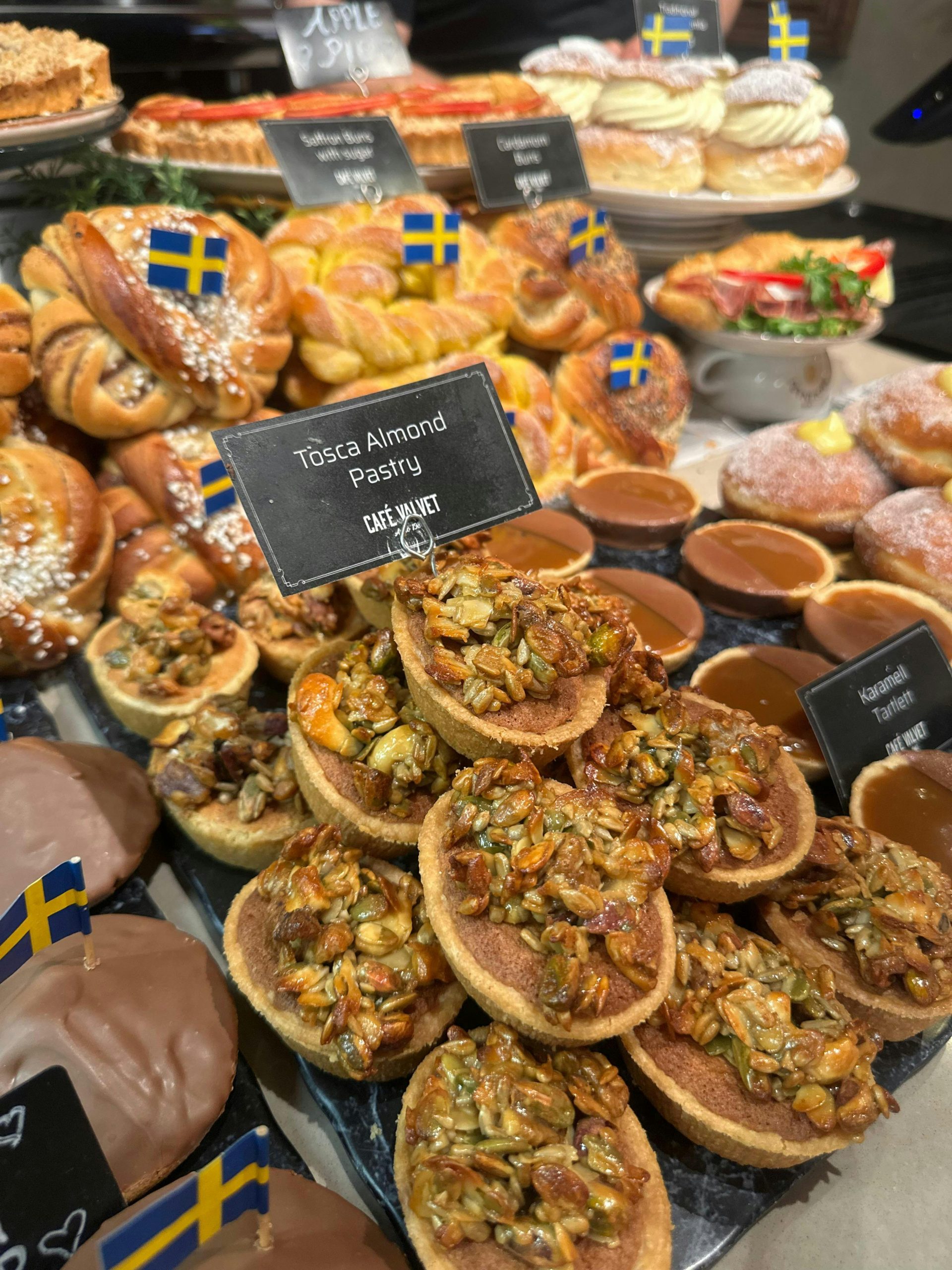
Stockholm has a temperate climate with distinct seasons, each offering a different experience:
- Summer (June–August): Long daylight hours, mild temperatures, festivals, and outdoor activities.
- Spring (April–May) & Autumn (September–October): Ideal for sightseeing with fewer crowds and colorful scenery.
- Winter (December–February): Snowy landscapes, Christmas markets, cozy cafés, and the chance to experience Swedish winter traditions.
No matter the season, Stockholm balances urban life with nature, allowing travelers to enjoy city streets, parks, and waterways year-round.
Nightlife and Entertainment
Stockholm’s nightlife caters to every taste:
- Gamla Stan – Historic bars and cozy pubs perfect for relaxed evenings.
- Södermalm – Trendy clubs, live music venues, and cocktail bars for a lively experience.
- Cultural nights – Theaters, opera, and music performances offer a sophisticated alternative to nightlife.
Whether you want a quiet drink by the water or a night of dancing, Stockholm’s nightlife complements its elegant yet vibrant character.
Outdoor Activities and Scenic Spots
Stockholm encourages visitors to explore the outdoors:
- Take a boat tour through the city canals or venture into the Stockholm archipelago, home to thousands of islands.
- Stroll or cycle around Djurgården Island, enjoying gardens, parks, and waterfront paths.
- Walk along the waterfront promenades for panoramic views of bridges, islands, and historic buildings.
- Explore eco-friendly urban trails, combining modern architecture with green spaces.
For nature lovers, the mix of parks, waterways, and nearby forests makes Stockholm a rare urban destination where city and nature coexist beautifully.
Why Stockholm Is Unique
Stockholm is special because it combines historic charm, modern design, and natural beauty in a single city. Its islands, bridges, and waterways make it visually stunning, while its museums, cuisine, and cultural life create a rich, immersive experience. Walkable streets, green spaces, and eco-friendly transport ensure a high quality of life for residents and visitors alike.
Conclusion
Stockholm is more than a city—it is a journey through history, culture, and nature. From the cobbled streets of Gamla Stan to the tranquil waters of the archipelago, from traditional Swedish dishes to modern design innovations, Stockholm offers an experience that is both relaxing and inspiring. Every visitor leaves with a lasting impression of Sweden’s elegant and dynamic capital.