
Lisbon, the capital of Portugal, is a vibrant coastal city built on seven hills overlooking the Tagus River, offering breathtaking views, colorful streets, and a rich cultural heritage. Known for its historic neighborhoods, traditional tram rides, modern architecture, and lively food scene, Lisbon is one of Europe’s most captivating and photogenic capitals. Whether wandering through cobbled streets, exploring iconic landmarks, or enjoying panoramic river views, Lisbon blends history, nature, and modern urban life seamlessly.

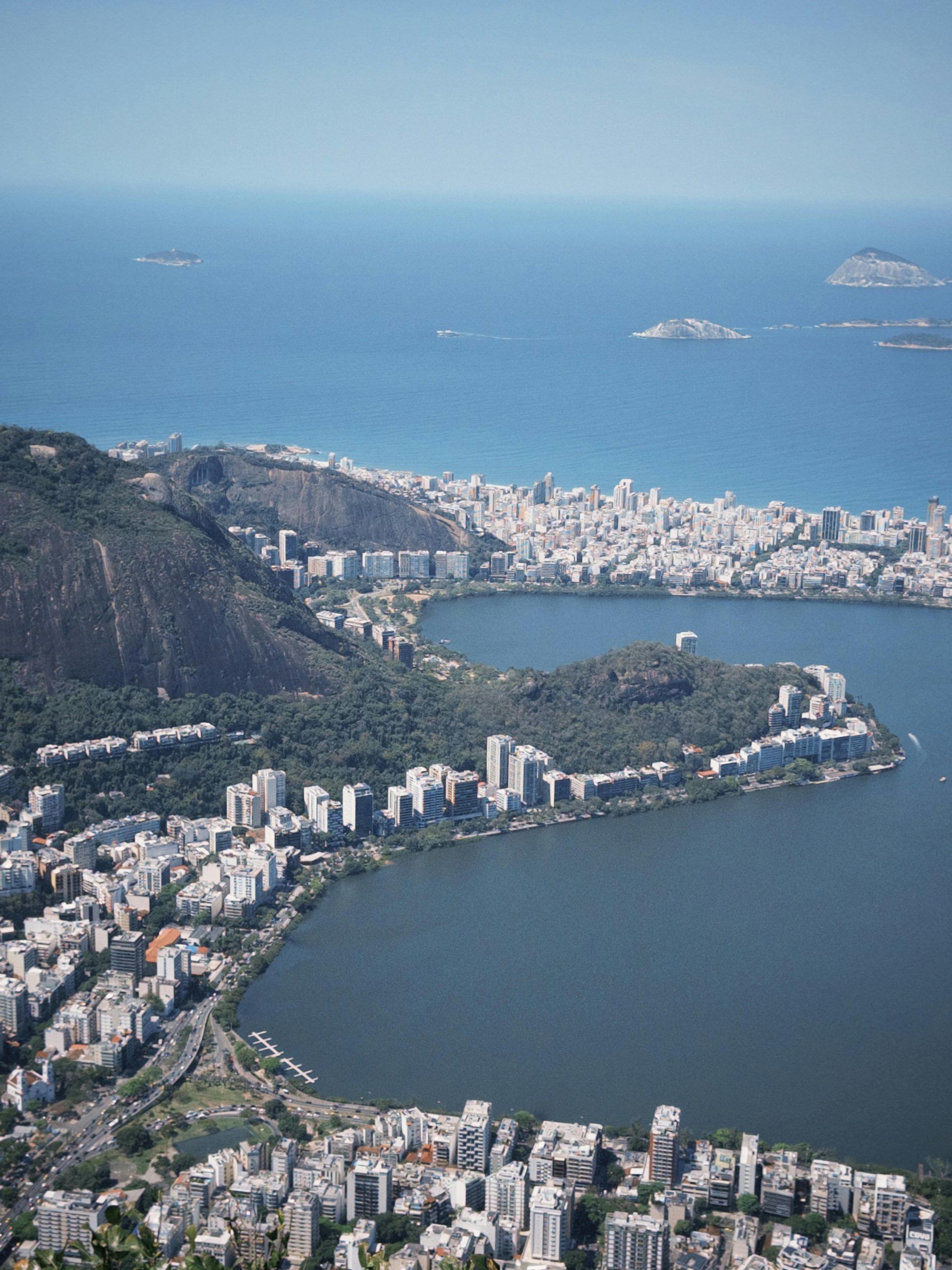
Location, Area, and Population
Lisbon is situated on the western coast of Portugal, at the mouth of the Tagus River, which flows into the Atlantic Ocean. The city covers approximately 100 square kilometers, combining historic districts, modern urban areas, parks, and scenic riverfront promenades.
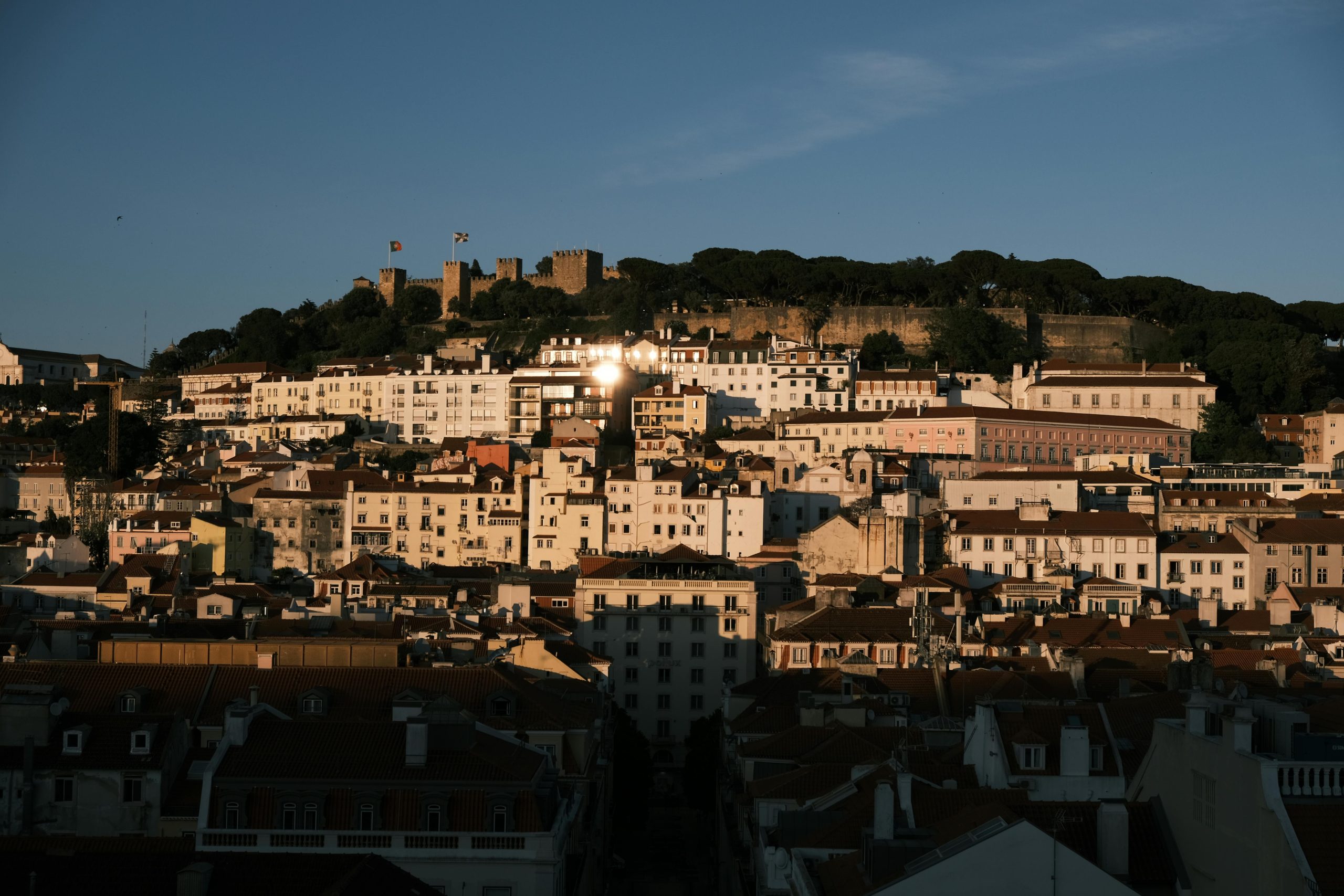
With around 545,000 residents in the city and over 2.8 million in the metropolitan area, Lisbon is Portugal’s largest city (Wikipedia). Its layout across hills such as Alfama, Bairro Alto, Baixa, and Belém creates a city full of charm, discovery, and unique viewpoints.
Lisbon’s streets, tramlines, and waterfront areas make it walkable and lively, while the surrounding riverside and hills offer breathtaking views and outdoor exploration opportunities.
History and Cultural Heritage
Lisbon’s history stretches back over 2,000 years, influenced by Romans, Moors, and later Portuguese explorers during the Age of Discovery. The city grew into a major European port and cultural hub, shaping Portugal’s identity and heritage.
The city preserves its rich past in historic neighborhoods:
- Alfama – Lisbon’s oldest quarter, with winding streets, fado music, and medieval architecture.
- Baixa and Chiado – Rebuilt after the 1755 earthquake, featuring elegant squares, monuments, and shopping streets.
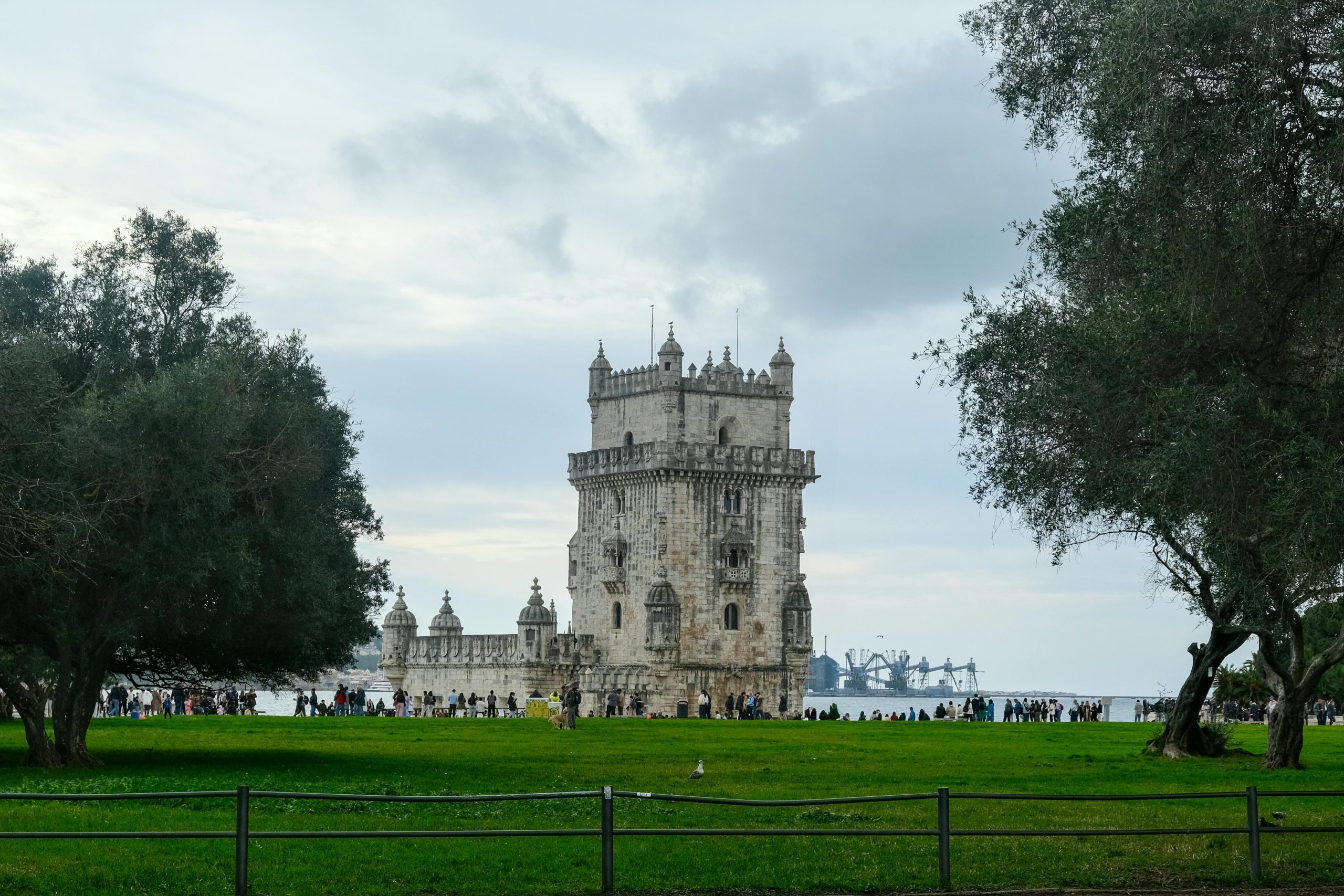
- Belém – Famous for the Jerónimos Monastery, Belém Tower, and its maritime history linked to Portuguese explorers.
Lisbon is also home to world-class museums, such as:
- MAAT (Museum of Art, Architecture, and Technology) – Modern design and contemporary art.
- National Tile Museum – Celebrating Portugal’s traditional azulejos (decorative tiles).
- Calouste Gulbenkian Museum – Featuring European and Oriental art collections.
From ancient castles to modernist architecture, Lisbon offers a perfect blend of old and new, making it a city full of surprises.
Iconic Landmarks and Places to Visit
Lisbon has numerous landmarks that captivate every visitor:
- São Jorge Castle – Offers panoramic views of the city and the river.
- Belém Tower – A UNESCO World Heritage site and symbol of Portugal’s maritime history.
- Jerónimos Monastery – Stunning Manueline architecture from the Age of Discovery.
- Alfama District – Famous for narrow streets, colorful houses, and traditional fado music.
- Bairro Alto – Trendy nightlife, historic buildings, and artistic vibe.
- LX Factory – A modern creative hub with shops, restaurants, and street art.
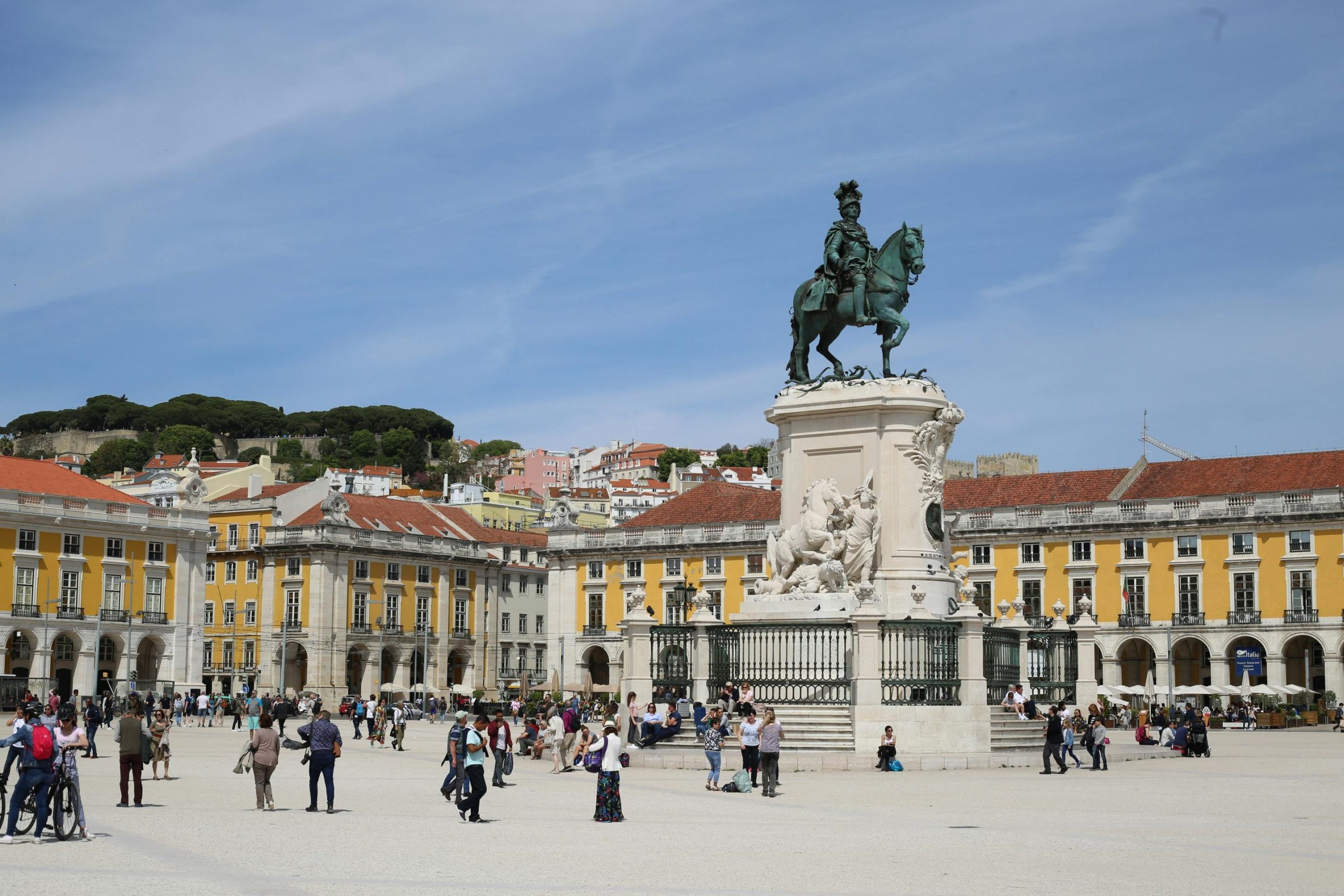
- Commerce Square (Praça do Comércio) – Iconic riverside square and historic gateway to Lisbon.
Lisbon’s trams, viewpoints (miradouros), and waterfront promenades make exploring the city a visual delight.
Food and Traditional Cuisine
Lisbon’s culinary scene is a delicious mix of tradition and innovation:
- Bacalhau à Brás – Shredded salted cod with eggs and potatoes.
- Pastéis de Nata – Iconic custard tarts, a must-try in Belém.
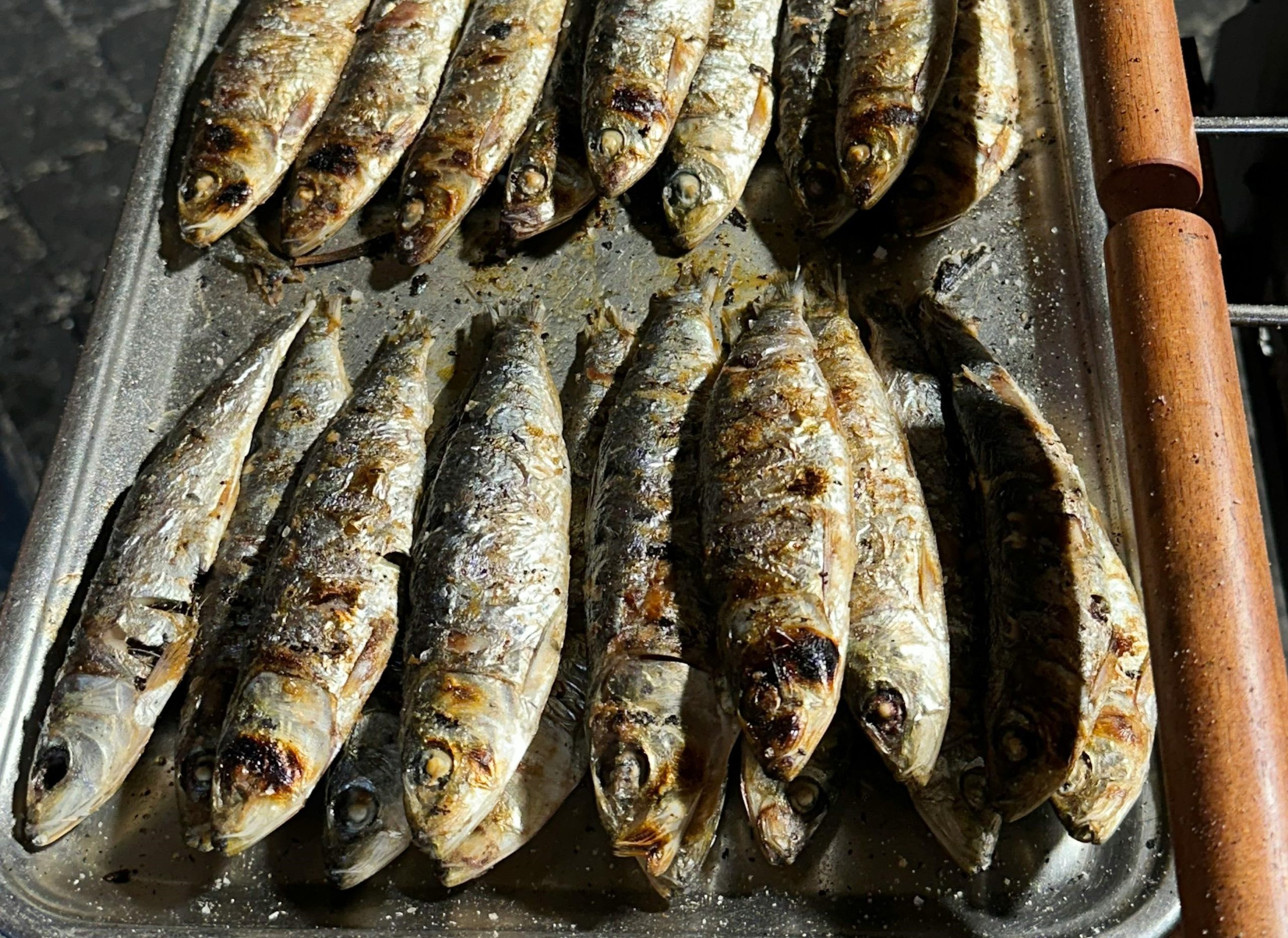
- Sardinhas Assadas – Grilled sardines, especially popular during summer festivals.
- Bifana – Pork sandwich with garlic and spices, typical street food.
- Portuguese wine and ginjinha – Traditional drinks that complement local dishes.
Lisbon also hosts Michelin-starred restaurants and lively food markets, making it a city where every meal is an experience.
Best Time to Visit and Weather
Lisbon enjoys a Mediterranean climate with mild winters and warm summers:
- Summer (June–September): Sunny, perfect for exploring outdoors, beaches, and festivals.
- Spring (March–May) & Autumn (October–November): Ideal for sightseeing with fewer crowds and pleasant temperatures.
- Winter (December–February): Mild weather, quieter streets, and a cozy atmosphere for museums and cafés.
The city’s hills, riverfront, and nearby beaches allow visitors to enjoy both urban and natural experiences year-round.
Nightlife and Entertainment
Lisbon offers a vibrant nightlife:
- Bairro Alto – Lively bars, Fado houses, and terraces.
- Cais do Sodré – Trendy clubs and music venues for late-night entertainment.
- Cultural performances – Fado music, theater, and contemporary shows enrich the evening experience.
Lisbon’s nightlife blends tradition with modernity, appealing to all types of travelers.
Outdoor Activities and Scenic Spots
Lisbon is perfect for outdoor exploration:
- Ride the historic Tram 28 through Alfama, Graça, and Baixa.
- Walk or cycle along the Tagus River promenade.
- Explore the miradouros (viewpoints) for panoramic city views.
- Take a day trip to Sintra, Cascais, or the beaches of Costa da Caparica.
The city’s combination of hills, rivers, and green spaces ensures plenty of outdoor opportunities.
Why Lisbon Is Unique
Lisbon stands out as a city of history, culture, and natural beauty, combining hills, river views, colorful streets, and rich traditions. Its historic neighborhoods, scenic viewpoints, and culinary delights make every visit memorable, while its vibrant yet relaxed vibe ensures a welcoming experience for all travelers.
Conclusion
Lisbon is more than a destination—it’s a journey through Portugal’s heart and soul. From the historic streets of Alfama to the riverfront views of Belém, from traditional pastries to contemporary art museums, Lisbon offers an experience that is colorful, inspiring, and unforgettable. Every visitor leaves with a deep appreciation for Portugal’s vibrant capital.