
Prague, often called “The City of a Hundred Spires”, is the capital of the Czech Republic and one of the most picturesque cities in Europe. Located in central Europe, along the Vltava River, Prague is famous for its fairy-tale architecture, medieval streets, rich history, and romantic atmosphere. With its well-preserved historic center and vibrant cultural life, Prague attracts travelers from all over the world.

Location, Area, and Population
Prague is situated in the heart of the Bohemia region and serves as the political, economic, and cultural center of the Czech Republic. The city covers an area of approximately 496 square kilometers, combining historic districts, green parks, and modern residential areas.
According to Wikipedia, Prague has a population of around 1.3 million residents, while its metropolitan area includes over 2.6 million people. The city’s compact center makes it ideal for walking and sightseeing.
History and Cultural Heritage
Prague’s history dates back more than 1,000 years, and the city played a major role in Central European history as the capital of the Kingdom of Bohemia and later part of the Holy Roman Empire. Unlike many European cities, Prague escaped major destruction during World War II, preserving its medieval and baroque architecture.
The historic center of Prague is listed as a UNESCO World Heritage Site, recognized for its extraordinary architectural and cultural value.

Iconic Landmarks and Places to Visit
Prague is filled with iconic landmarks and magical sights, including:
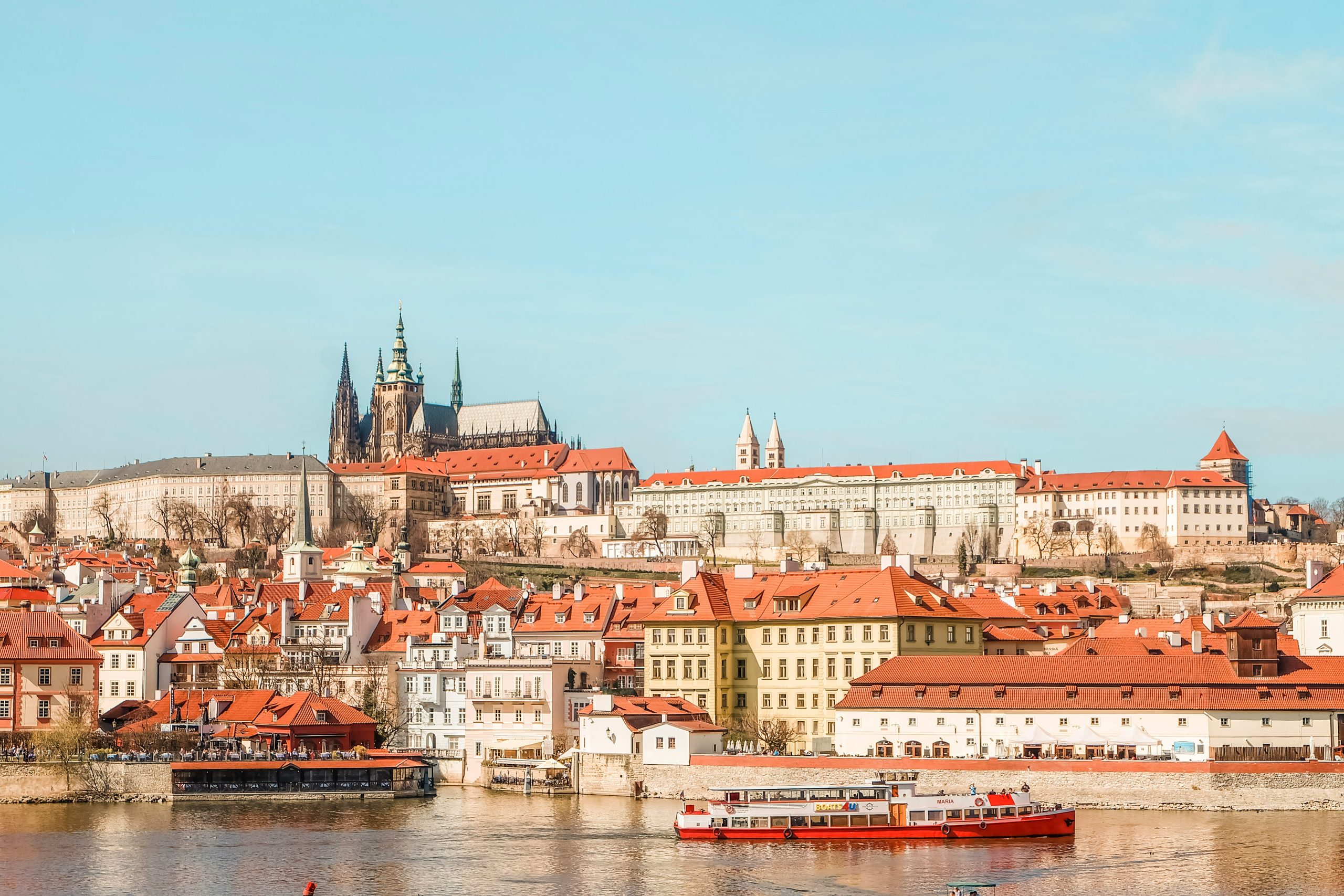
- Prague Castle – The largest ancient castle complex in the world
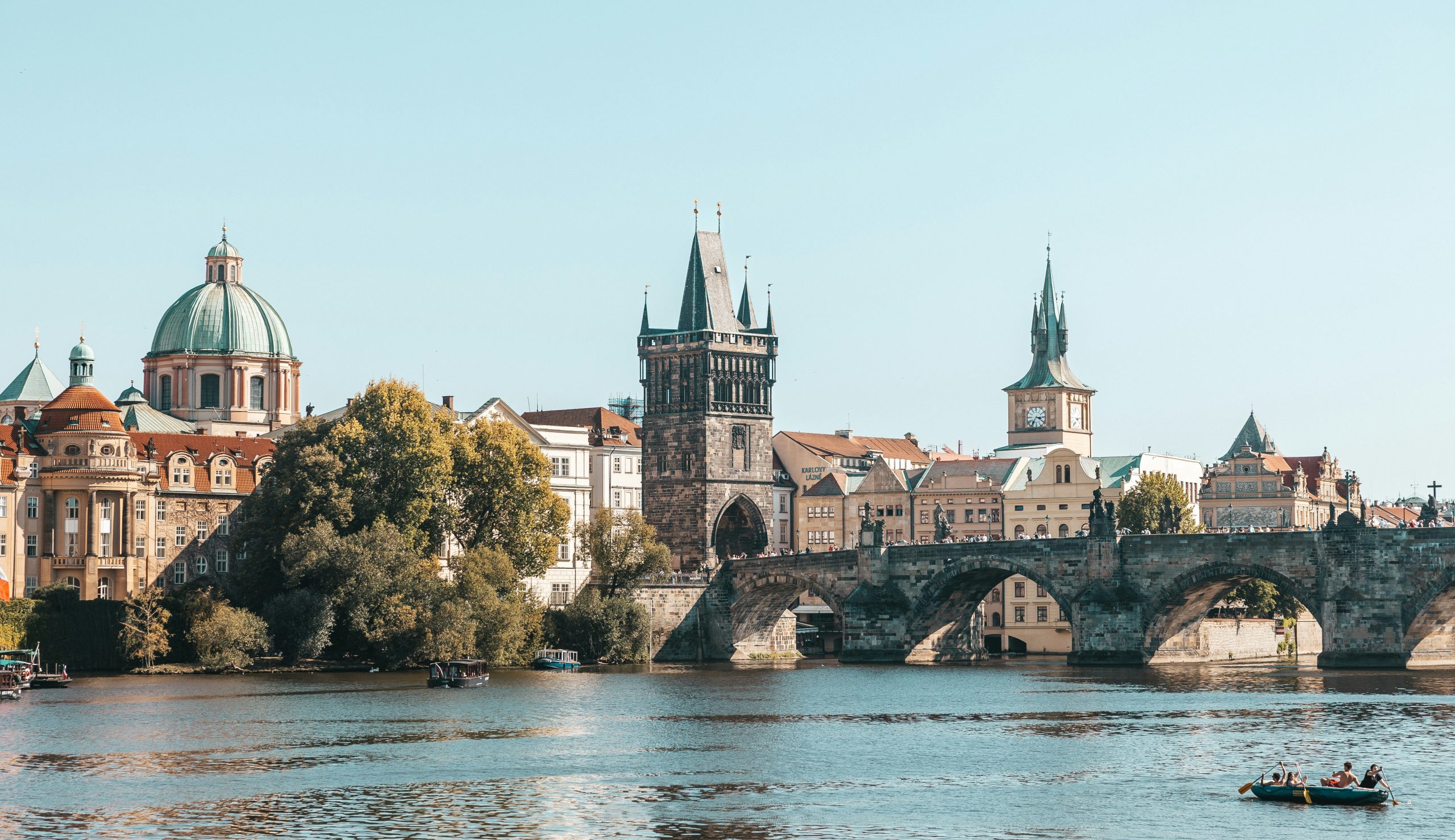
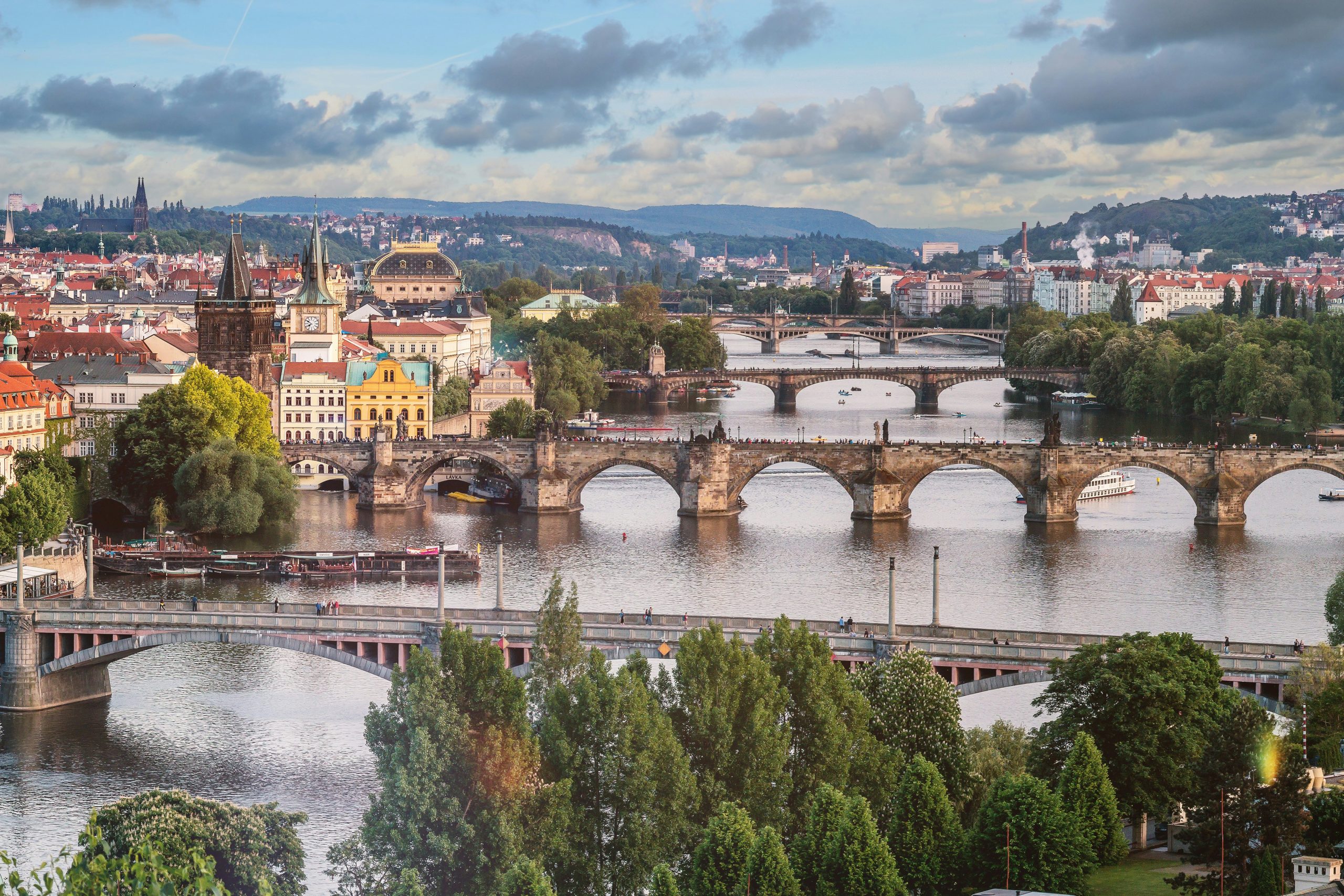
- Charles Bridge – A historic stone bridge lined with statues
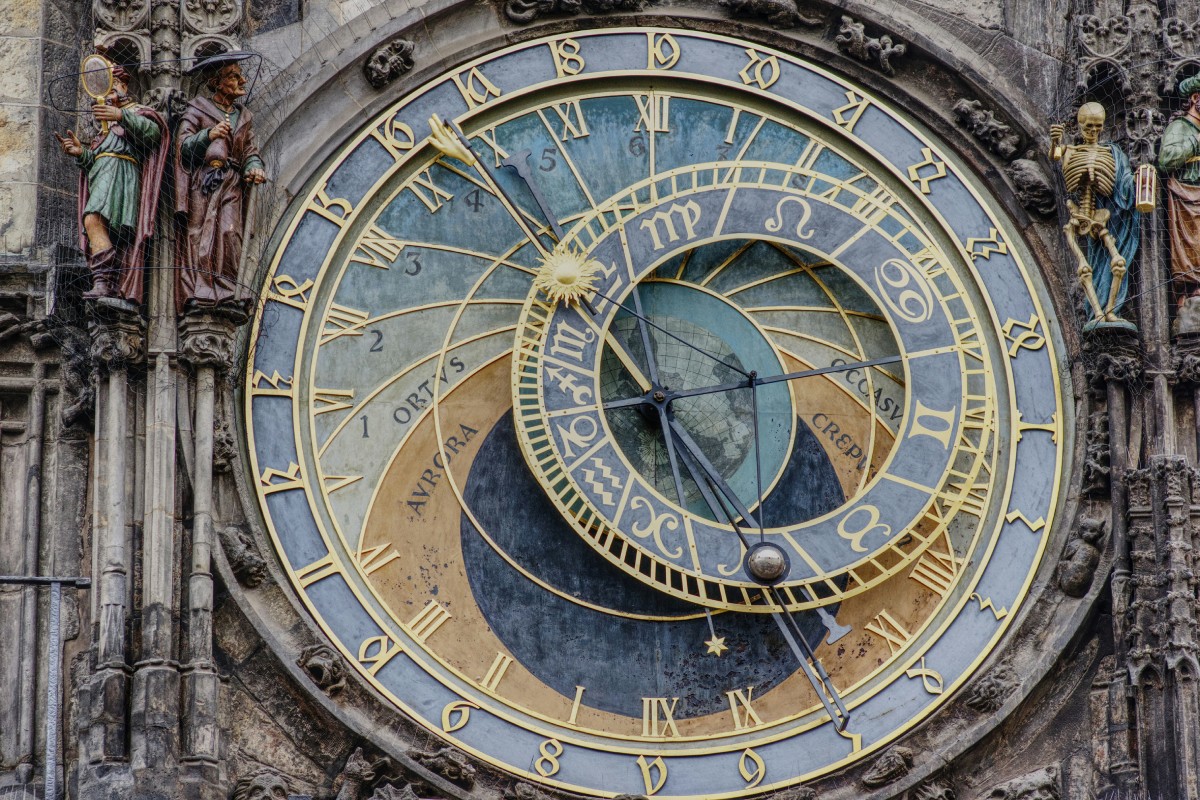
- Old Town Square – Home to the famous Astronomical Clock
- St. Vitus Cathedral – A Gothic masterpiece within the castle complex
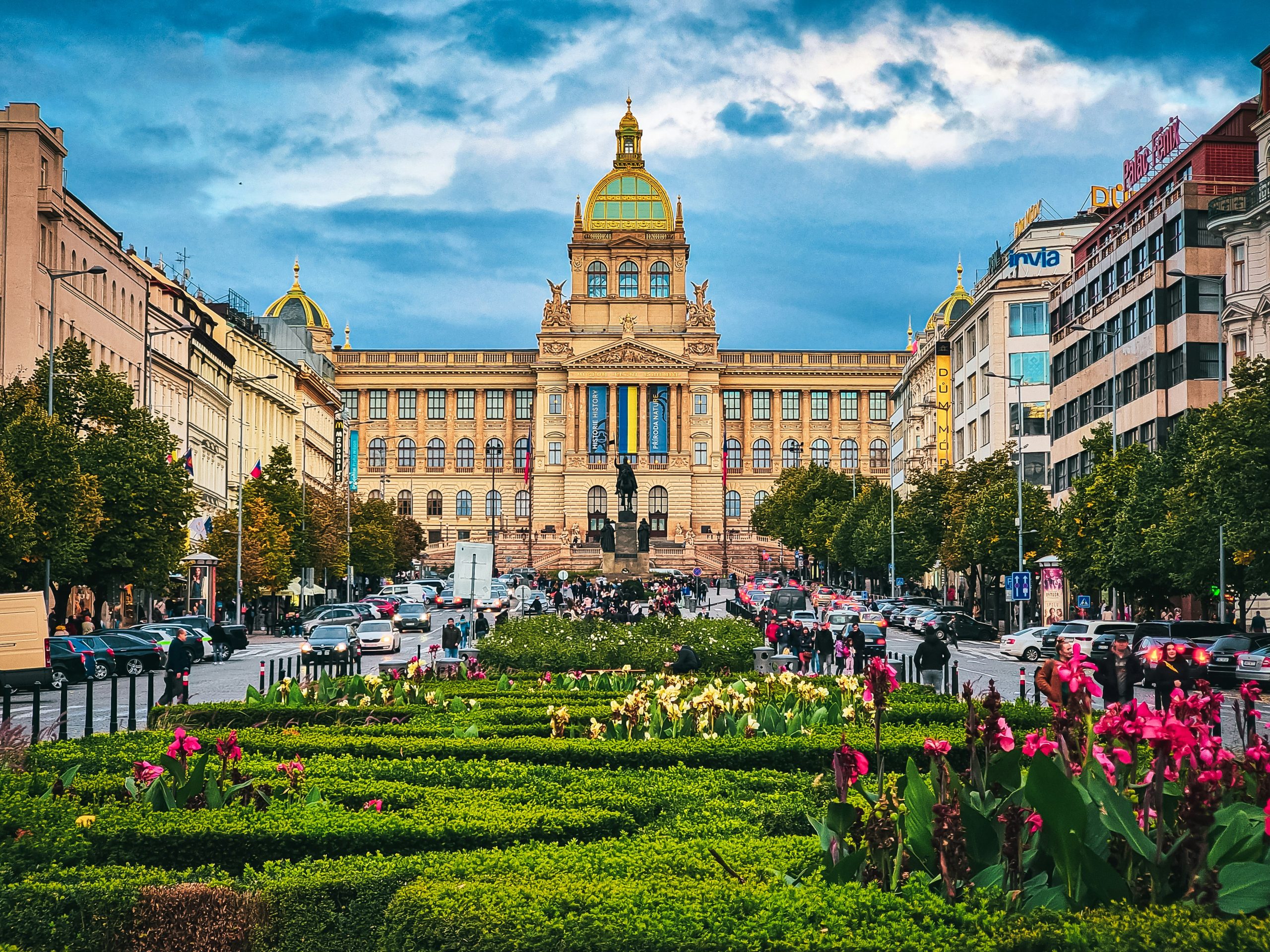
- Wenceslas Square – A vibrant commercial and cultural hub
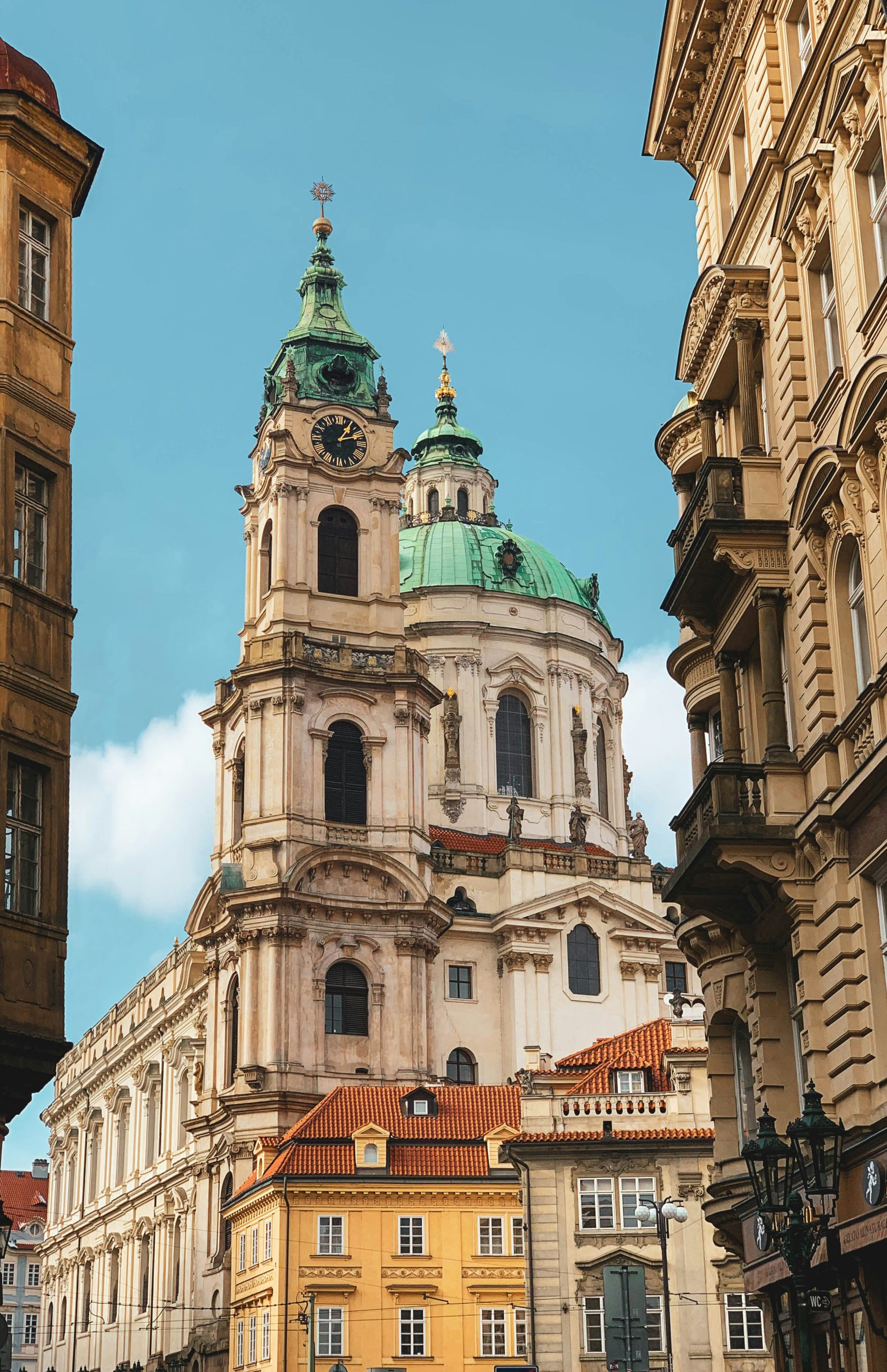
- Lesser Town (Malá Strana) – Known for baroque architecture and charm
Every corner of Prague feels like a journey back in time.
Architecture, Art, and Cultural Life
Prague showcases an extraordinary mix of architectural styles, including Romanesque, Gothic, Renaissance, Baroque, Art Nouveau, and Cubist architecture. The city is also associated with influential figures such as Franz Kafka, whose legacy remains deeply connected to Prague’s cultural identity.
The city hosts numerous theaters, galleries, classical concerts, and cultural festivals throughout the year.
Czech Cuisine and Traditional Food
Traditional Czech cuisine is hearty and comforting, especially popular during colder months. Must-try dishes include:
- Goulash – Rich meat stew served with dumplings
- Svíčková – Marinated beef with creamy vegetable sauce
- Roast pork with dumplings and sauerkraut
- Trdelník – Sweet pastry often sold by street vendors
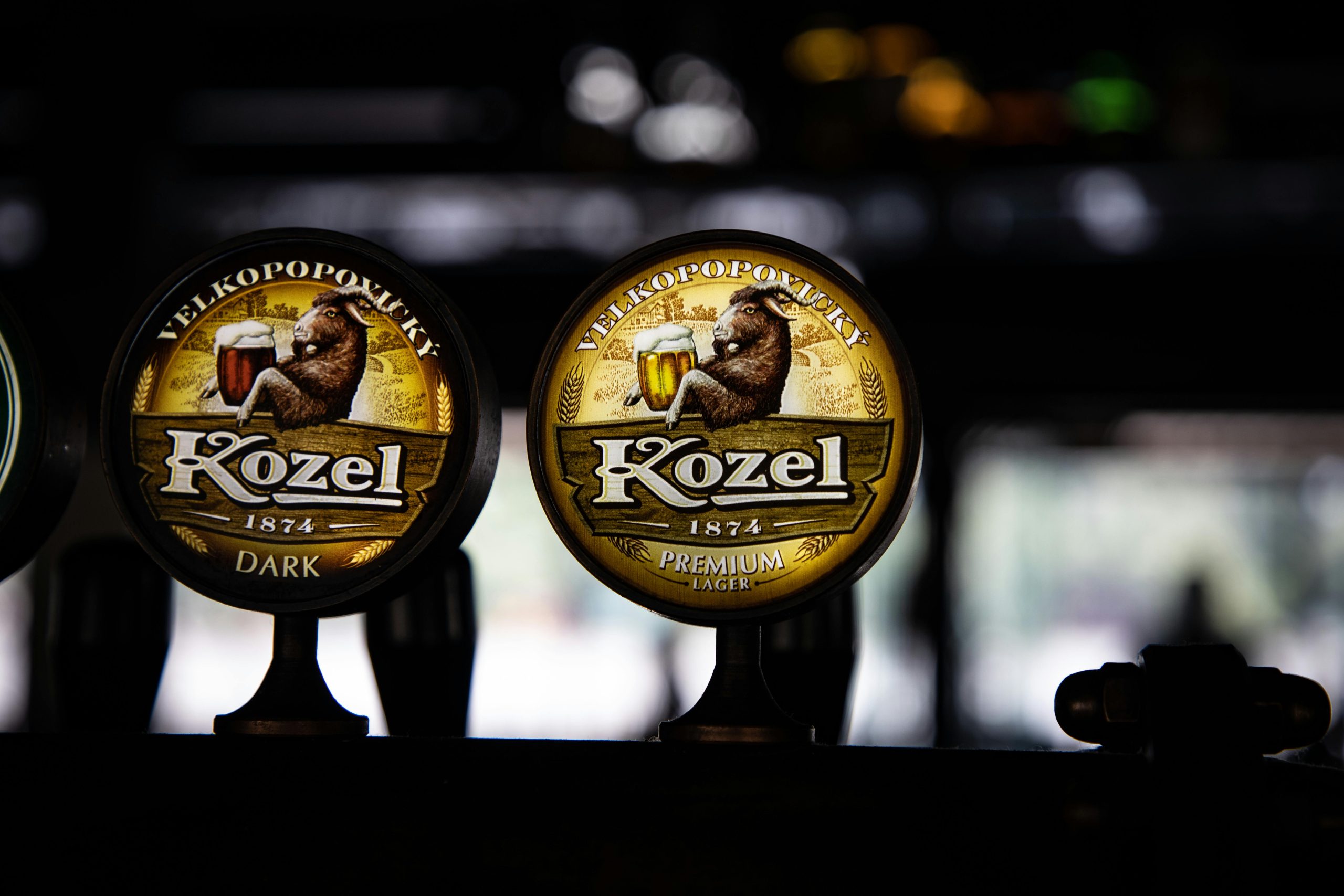
- Czech beer – Considered among the best in the world
Prague is also famous for its historic beer halls and modern craft breweries.
Best Time to Visit and Weather
Prague has a continental climate, with cold winters and warm summers.
The best times to visit are spring (April–June) and early autumn (September), when the weather is pleasant and the city is less crowded.
Winter brings a magical atmosphere with Christmas markets, snow-dusted rooftops, and festive lights.
Lifestyle, Nightlife, and Modern Prague
Prague offers a lively nightlife, from traditional pubs to modern clubs and jazz bars. Despite its popularity with tourists, the city retains an authentic local lifestyle, especially in neighborhoods outside the historic center.
Green spaces like Letná Park and Petrin Hill provide stunning panoramic views of the city.
Why Prague Is Unique
Prague stands out for its exceptional preservation, romantic atmosphere, architectural diversity, and rich cultural traditions. Few cities offer such a fairy-tale setting combined with vibrant modern life.
Conclusion
Prague is more than a destination—it is a living storybook. With its medieval streets, majestic castles, rich history, traditional cuisine, and unforgettable skyline, Prague delivers a magical travel experience that stays with visitors long after they leave.