
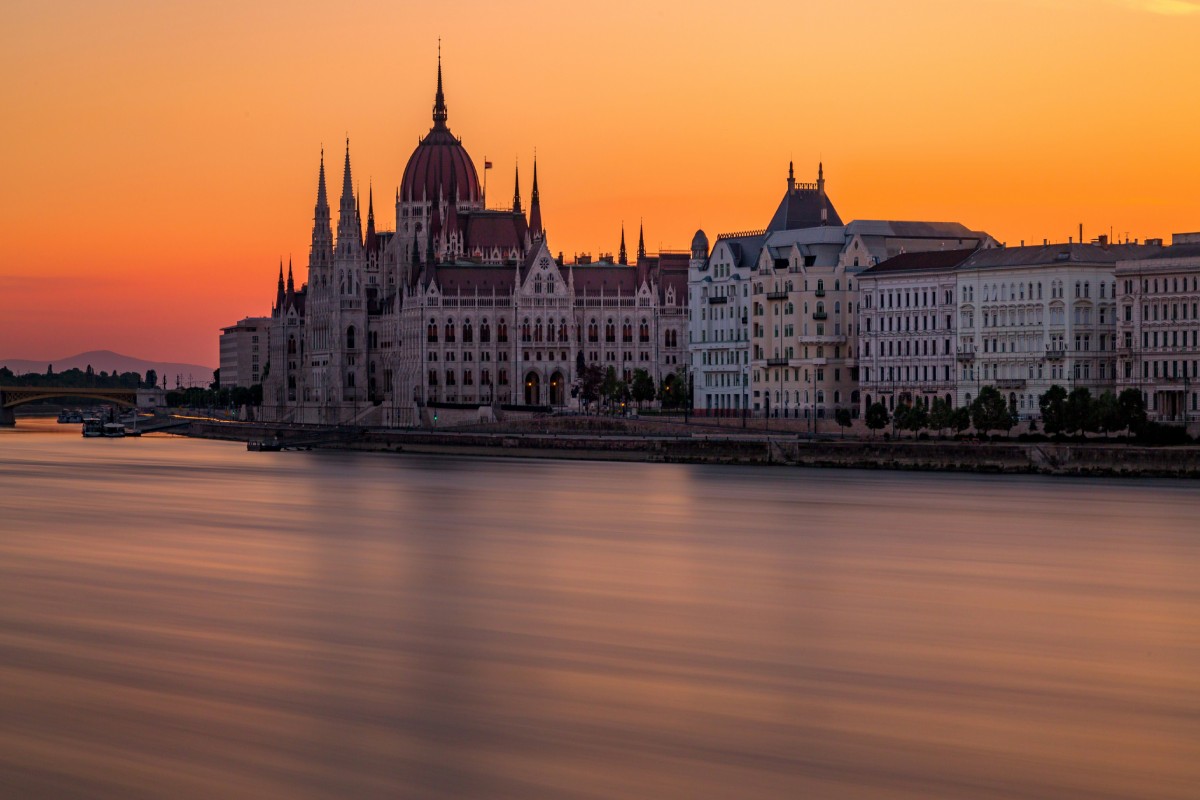
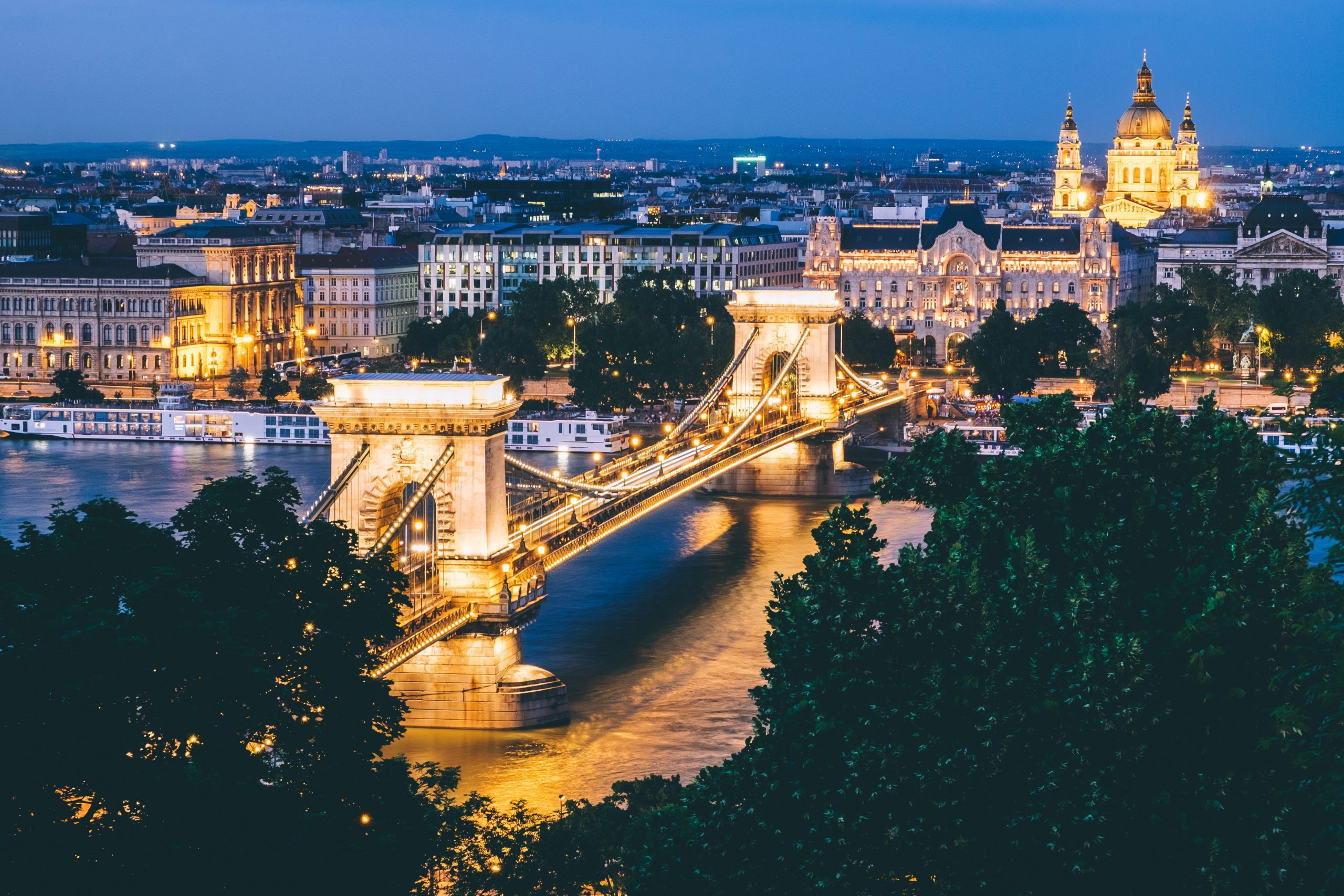
Budapest, often referred to as “The Pearl of the Danube”, is the capital of Hungary and one of Europe’s most beautiful and dynamic cities. Located in central Europe, Budapest is divided by the Danube River into two historic parts: Buda and Pest. With its grand architecture, thermal baths, rich history, and vibrant cultural life, Budapest attracts travelers from around the world.


Location, Area, and Population
Budapest lies in the Carpathian Basin, serving as Hungary’s political, economic, and cultural center. The city covers an area of approximately 525 square kilometers, offering a mix of historic districts, green spaces, and modern urban areas.
According to Wikipedia, Budapest has a population of around 1.7 million residents, while its metropolitan area includes nearly 3 million people. This makes it one of the largest and most influential cities in Central Europe.
History and Cultural Heritage
Budapest’s history dates back over 2,000 years, with Roman settlements once standing on the hills of Buda. The modern city was formed in 1873 through the unification of Buda, Pest, and Óbuda, marking the beginning of its rapid growth and architectural transformation.
Today, much of Budapest’s historic center and the banks of the Danube are recognized as a UNESCO World Heritage Site, reflecting the city’s exceptional cultural and architectural significance.

Iconic Landmarks and Places to Visit
Budapest is rich in iconic landmarks and must-see attractions, including:
- Buda Castle – A historic palace complex overlooking the Danube
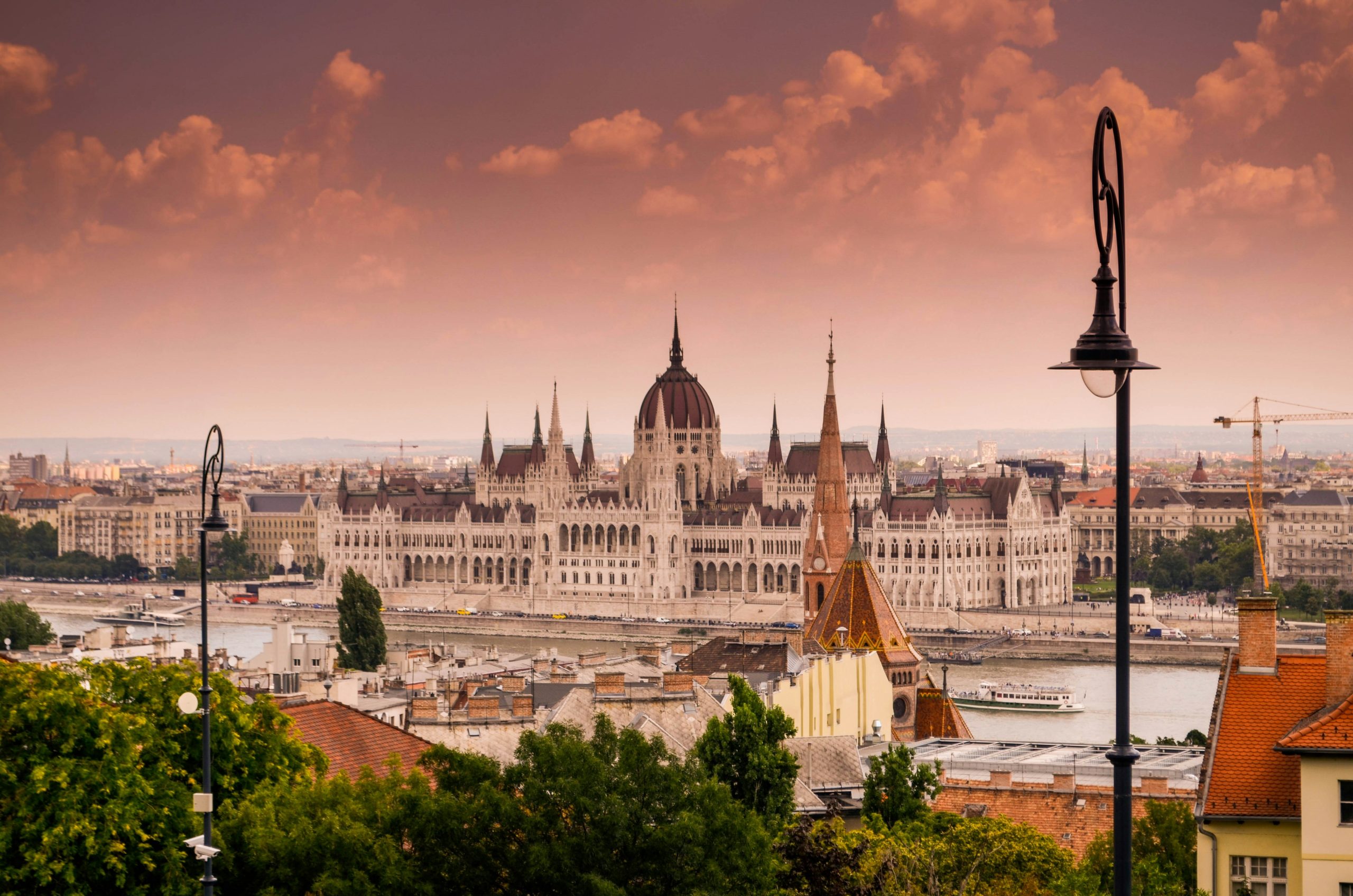
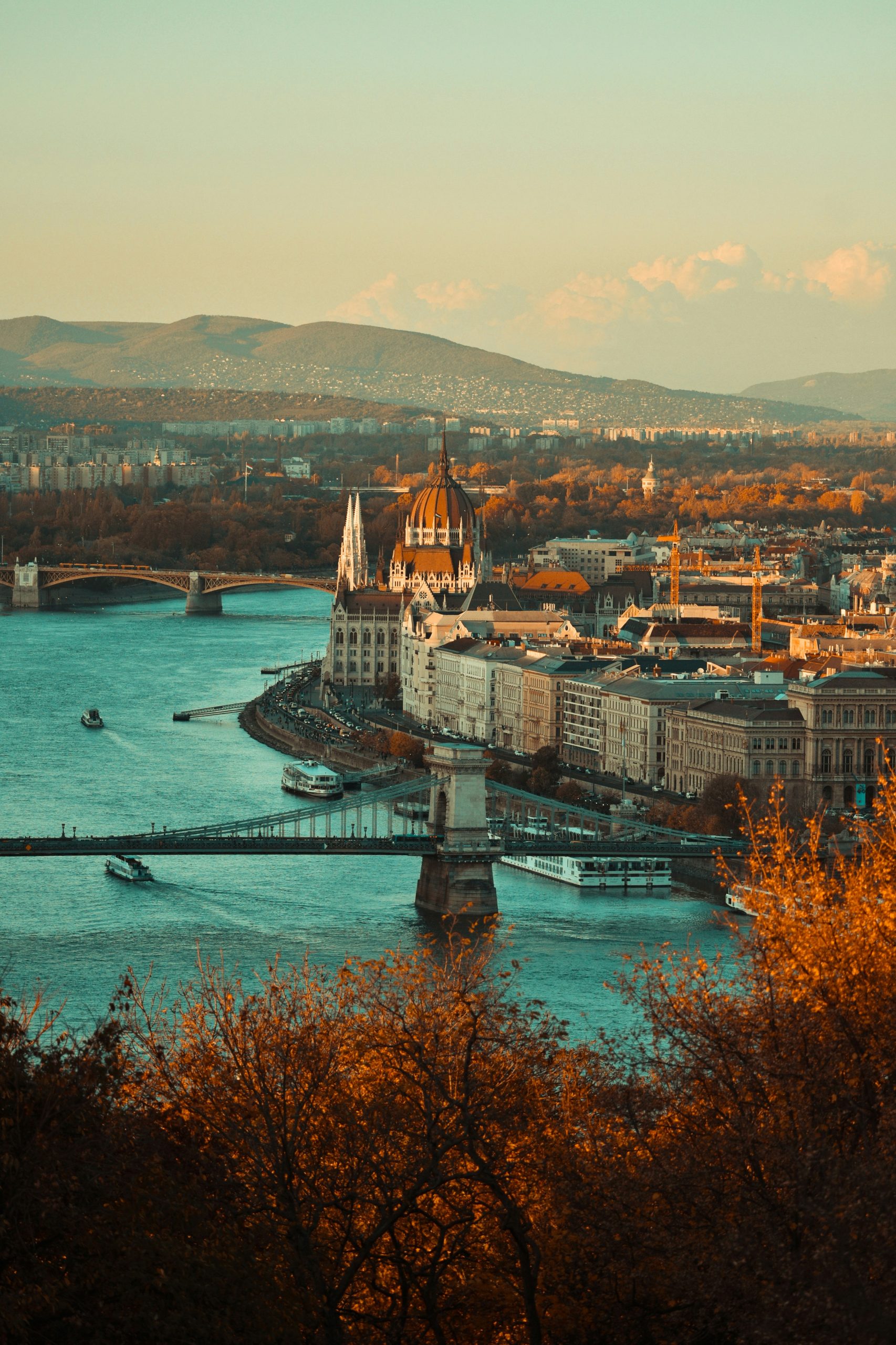
- Hungarian Parliament Building – One of the largest and most beautiful parliament buildings in the world
- Chain Bridge – The city’s most famous bridge connecting Buda and Pest
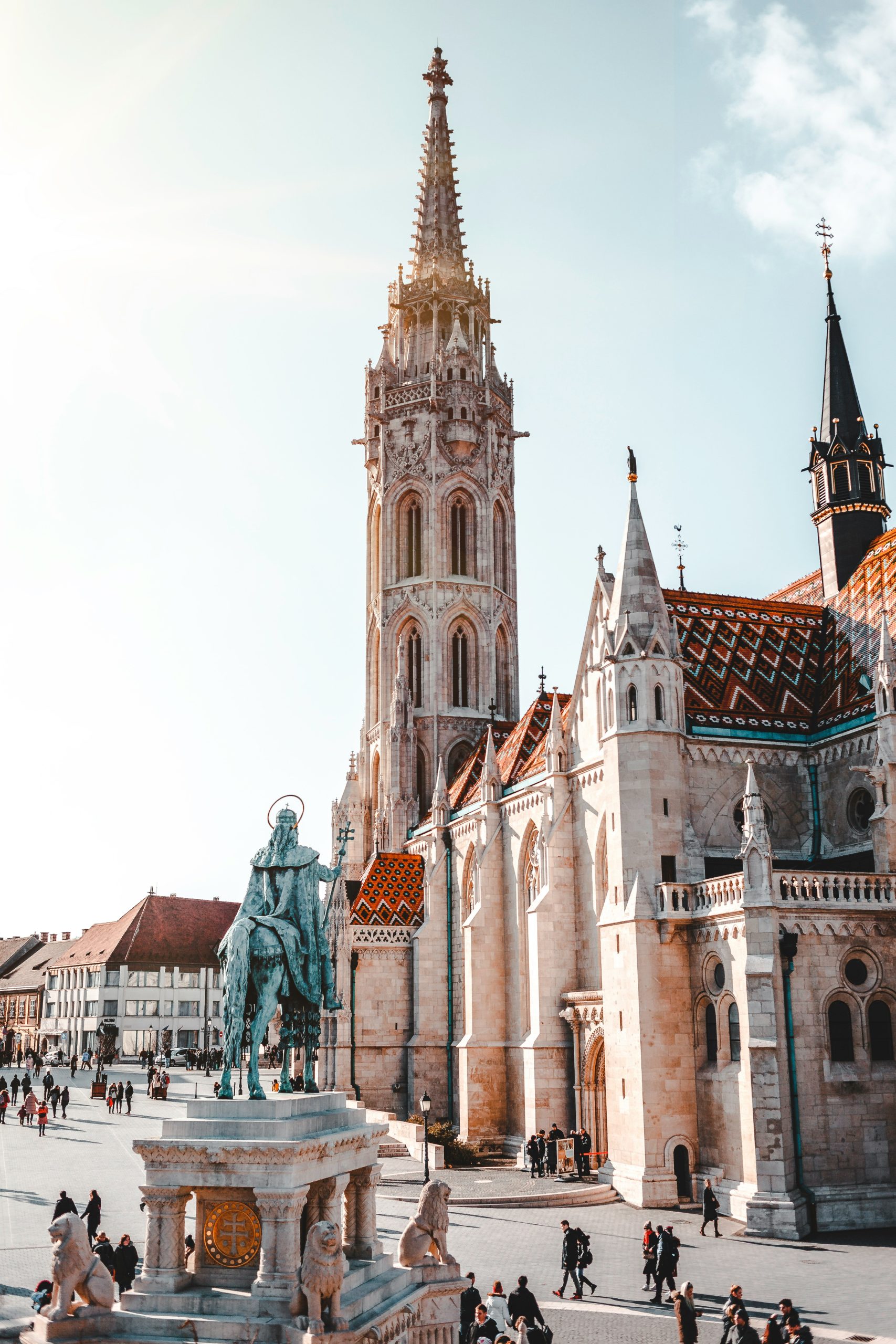
- Fisherman’s Bastion – Offering panoramic views of the city
- St. Stephen’s Basilica – A major religious landmark
- Heroes’ Square – Celebrating Hungary’s history and national identity
Each area offers a unique perspective on Budapest’s past and present.
Thermal Baths and Wellness Culture
Budapest is world-famous for its thermal baths, earning it the nickname “City of Spas.” The city sits atop natural hot springs, and visitors can relax in historic bathhouses such as Széchenyi Thermal Bath, Gellért Baths, and Rudas Baths.
Thermal bathing is deeply embedded in Hungarian culture and is one of Budapest’s most distinctive experiences.
Hungarian Cuisine and Traditional Food
Hungarian cuisine is rich, flavorful, and often spiced with paprika. Popular traditional dishes include:
- Goulash (Gulyás) – A hearty soup or stew
- Chicken paprikash – Chicken cooked in paprika sauce
- Lángos – Fried flatbread topped with sour cream and cheese
- Stuffed cabbage (Töltött káposzta)
- Dobos cake and chimney cake (Kürtőskalács)
Budapest also has a growing modern food scene with contemporary restaurants and vibrant street food markets.

Best Time to Visit and Weather
Budapest has a continental climate, featuring hot summers and cold winters.
The best times to visit are spring (April–June) and autumn (September–October), when temperatures are comfortable for sightseeing.
Winter brings festive markets and a cozy atmosphere, while summer offers outdoor events and lively nightlife.
Nightlife, Ruin Bars, and Modern Budapest
Budapest is famous for its unique ruin bars, located in abandoned buildings transformed into creative social spaces. Areas like the Jewish Quarter come alive at night with bars, clubs, and live music venues.
Despite its historic appearance, Budapest is a modern, youthful city with a thriving arts and nightlife scene.
Sports and Active Life
Football, water sports, and athletics are popular in Budapest. The city also hosts international sporting events and championships, thanks to its modern stadiums and facilities.
The Danube River provides opportunities for boat tours, cycling, and riverside walks.
Why Budapest Is Unique
Budapest stands out for its grand architecture, thermal baths, rich history, vibrant nightlife, and affordability compared to other European capitals. Few cities offer such a diverse mix of relaxation, culture, and entertainment.
Conclusion
Budapest is more than a destination—it is an experience of contrasts. With its historic landmarks, soothing thermal baths, traditional cuisine, lively nightlife, and stunning river views, Budapest offers an unforgettable journey through Central Europe.