

Dubai, one of the seven emirates of the United Arab Emirates, is a city defined by ambition, innovation, and bold vision. Rising from the Arabian Desert, Dubai has transformed itself from a small fishing and trading settlement into a global metropolis known for record-breaking architecture, luxury experiences, and futuristic urban planning. At the same time, the city preserves its rich Arab heritage, offering visitors a fascinating contrast between tradition and modernity.
From soaring skyscrapers and pristine beaches to historic souks and desert landscapes, Dubai offers an experience that is both extravagant and culturally rich.
Location, Area, and Population
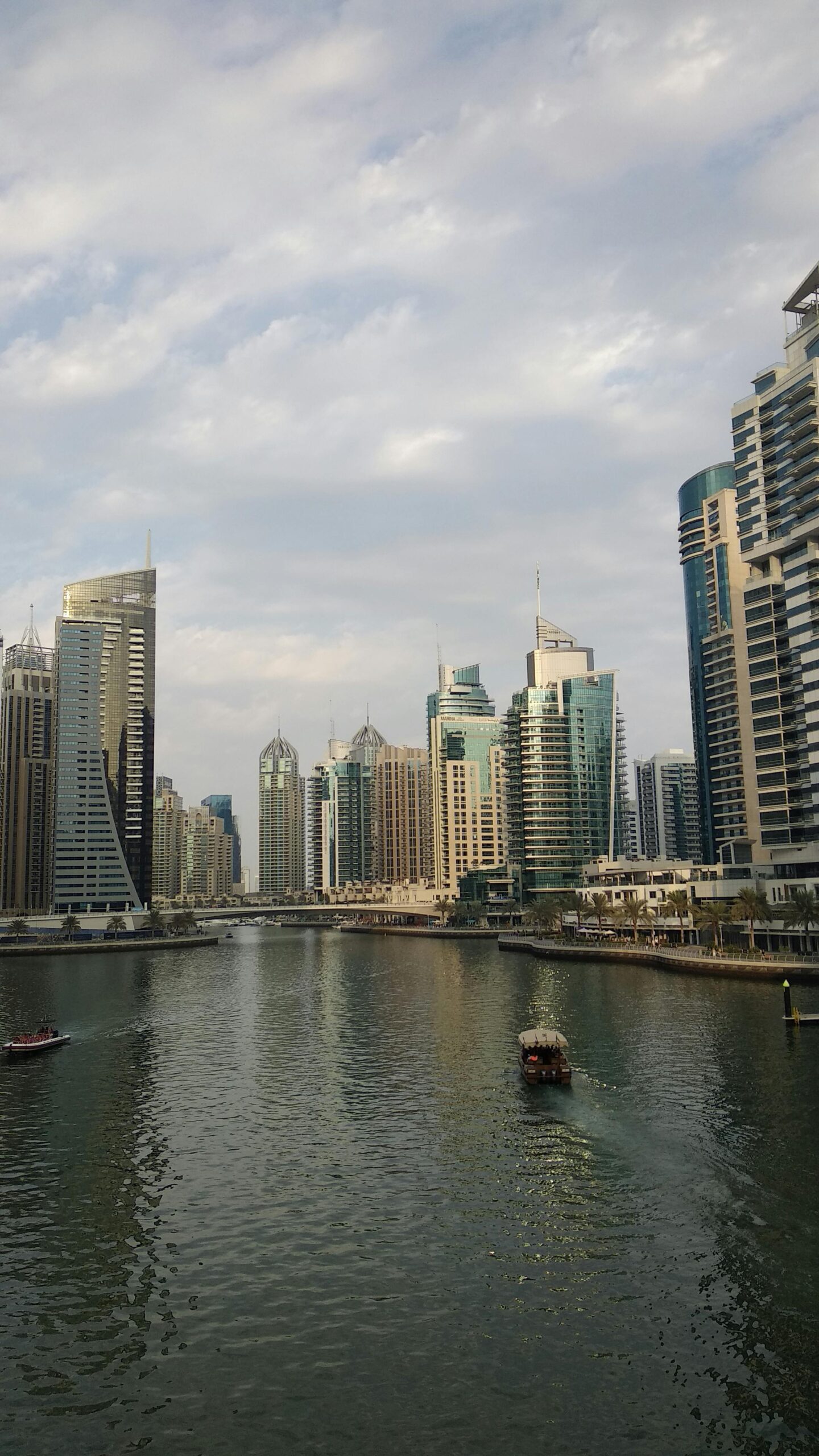
Dubai is located on the southeastern coast of the Persian Gulf, in the Middle East. It covers an area of approximately 4,114 square kilometers, making it the second-largest emirate in the UAE. The city’s coastline, desert hinterland, and artificial islands define its diverse geography.
Dubai has a population of around 3.6 million residents, with expatriates making up nearly 90% of the population, creating one of the most multicultural cities in the world (Wikipedia). The city is divided into historic districts, modern business centers, and rapidly expanding residential areas.
Planning Your Trip to Dubai
Dubai offers very different experiences depending on where you choose to stay and how you plan your time in the city.
If you want to explore Dubai in more detail, these guides can help:
– **Where to Stay in Dubai**
– **Best Hotels in Dubai by Budget**
– **Best Tours and Experiences in Dubai**
– **Is Dubai Safe for Tourists in 2026?**
– **Best Time to Visit Dubai**
– **Dubai Trip Cost Breakdown**
– **Dubai Itinerary: 5 vs 7 Days**
History and Cultural Heritage
Dubai’s history dates back several centuries as a trading port and pearl-diving center along the Gulf. Its strategic location helped it grow as a hub for commerce between Asia, Africa, and Europe.
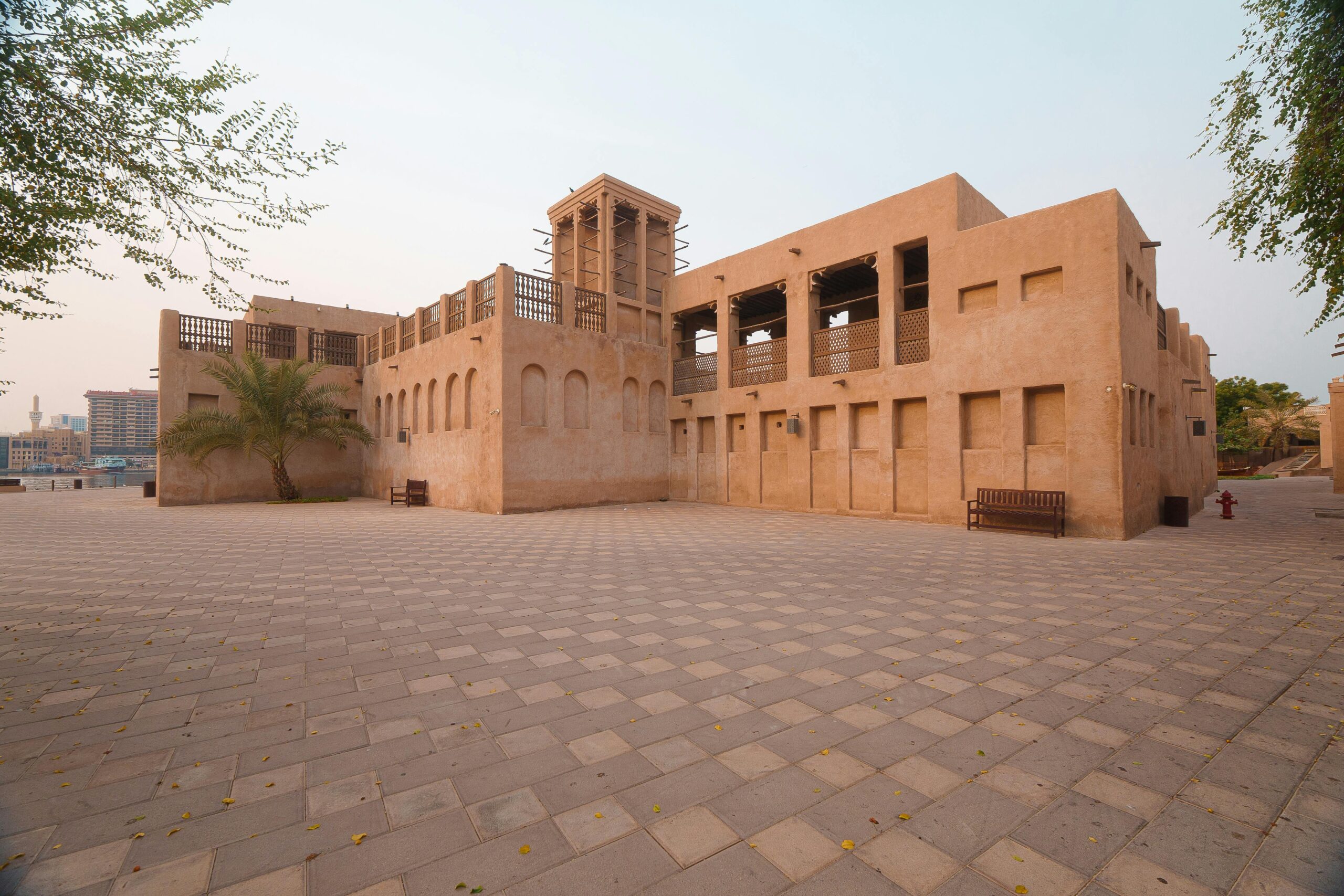
The discovery of oil in the 1960s accelerated Dubai’s development, but the city wisely diversified its economy into tourism, finance, aviation, and technology. Historic areas such as Al Fahidi Historical Neighborhood preserve traditional wind-tower houses and offer insight into Emirati life before modernization.
Cultural institutions like the Dubai Museum and Etihad Museum highlight the emirate’s transformation into a modern nation.
Iconic Landmarks and Places to Visit
Dubai is home to some of the world’s most famous landmarks:
- Burj Khalifa – The tallest building in the world
- Palm Jumeirah – Artificial island shaped like a palm tree
- Dubai Mall – One of the world’s largest shopping malls
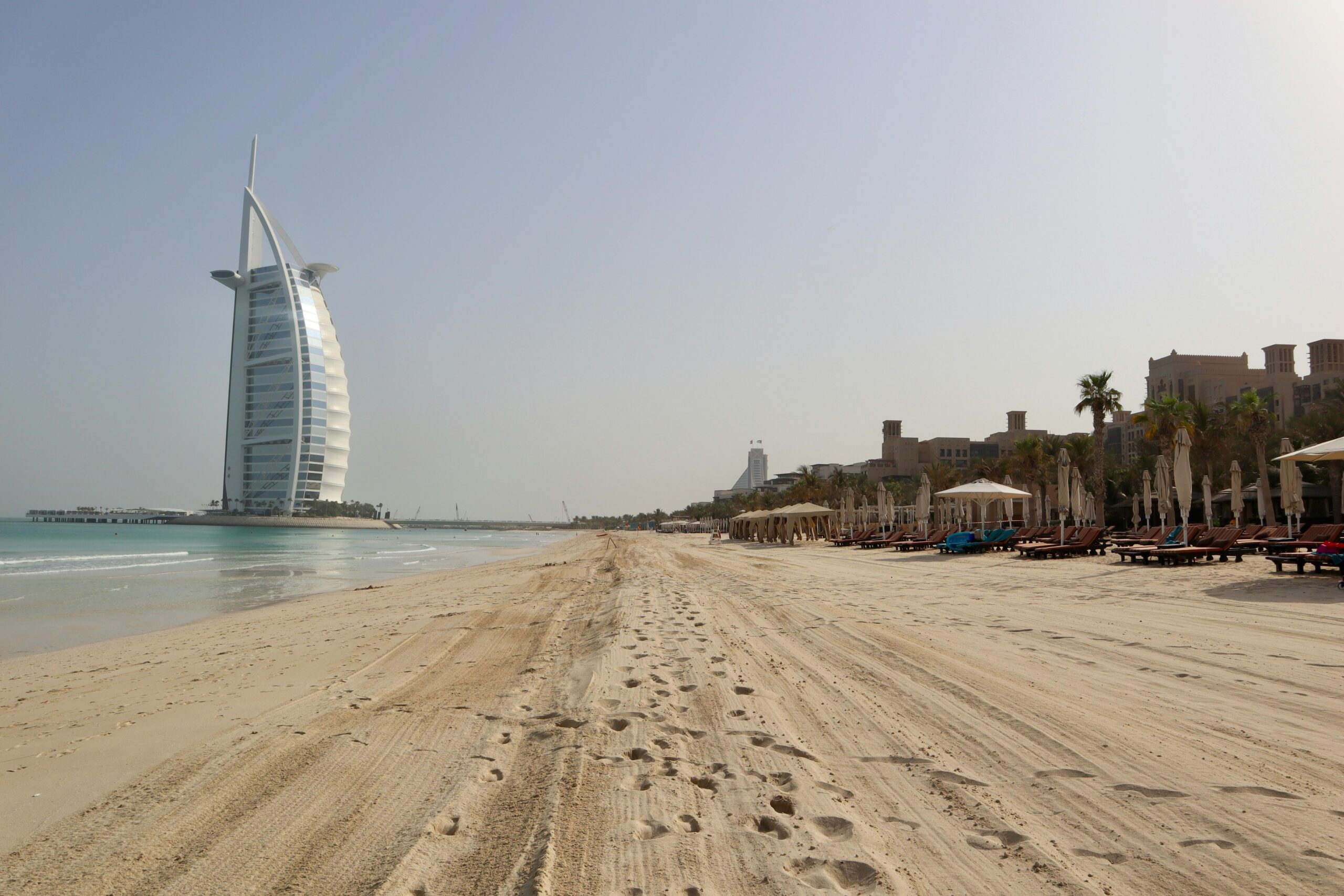
- Burj Al Arab – Iconic luxury hotel
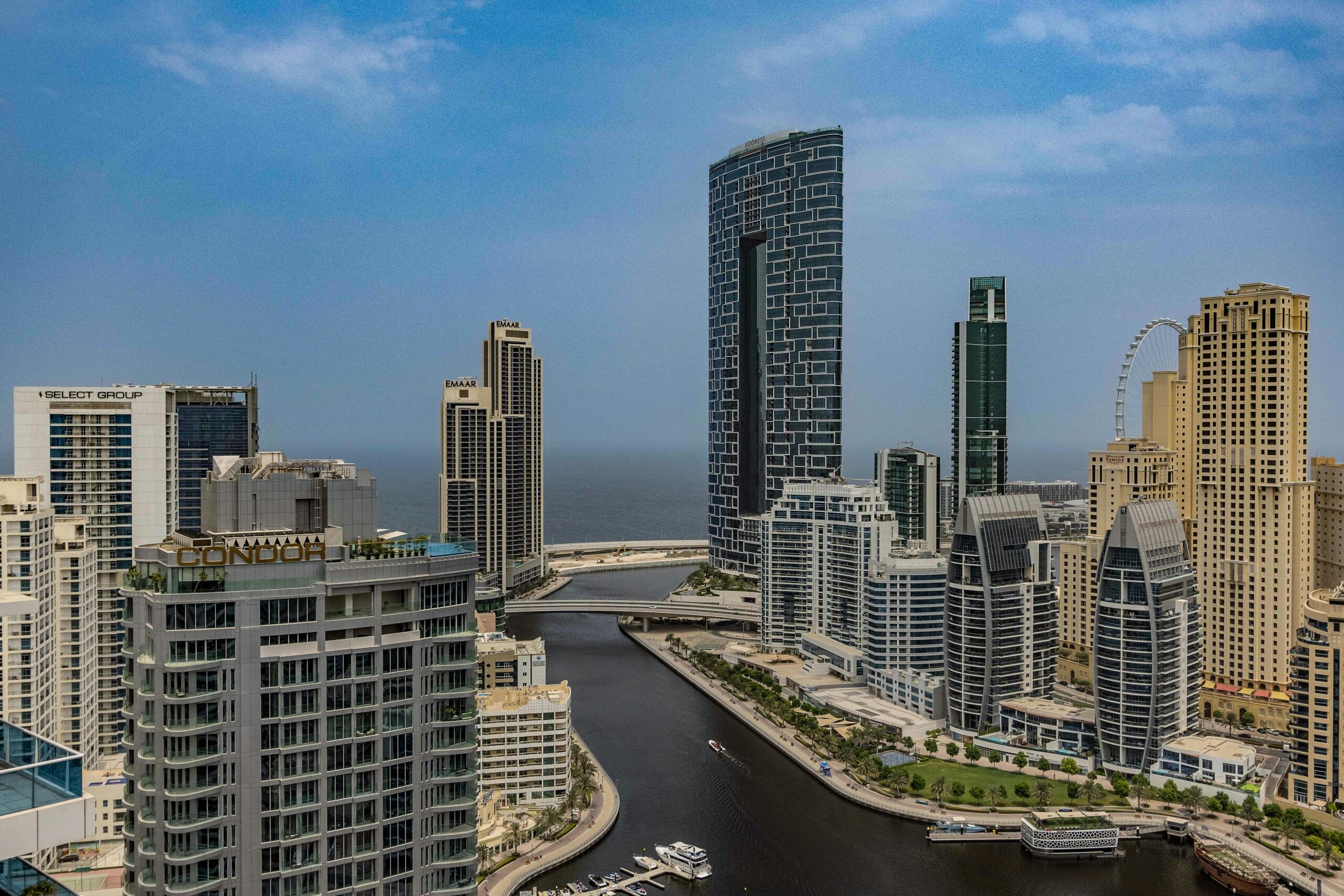
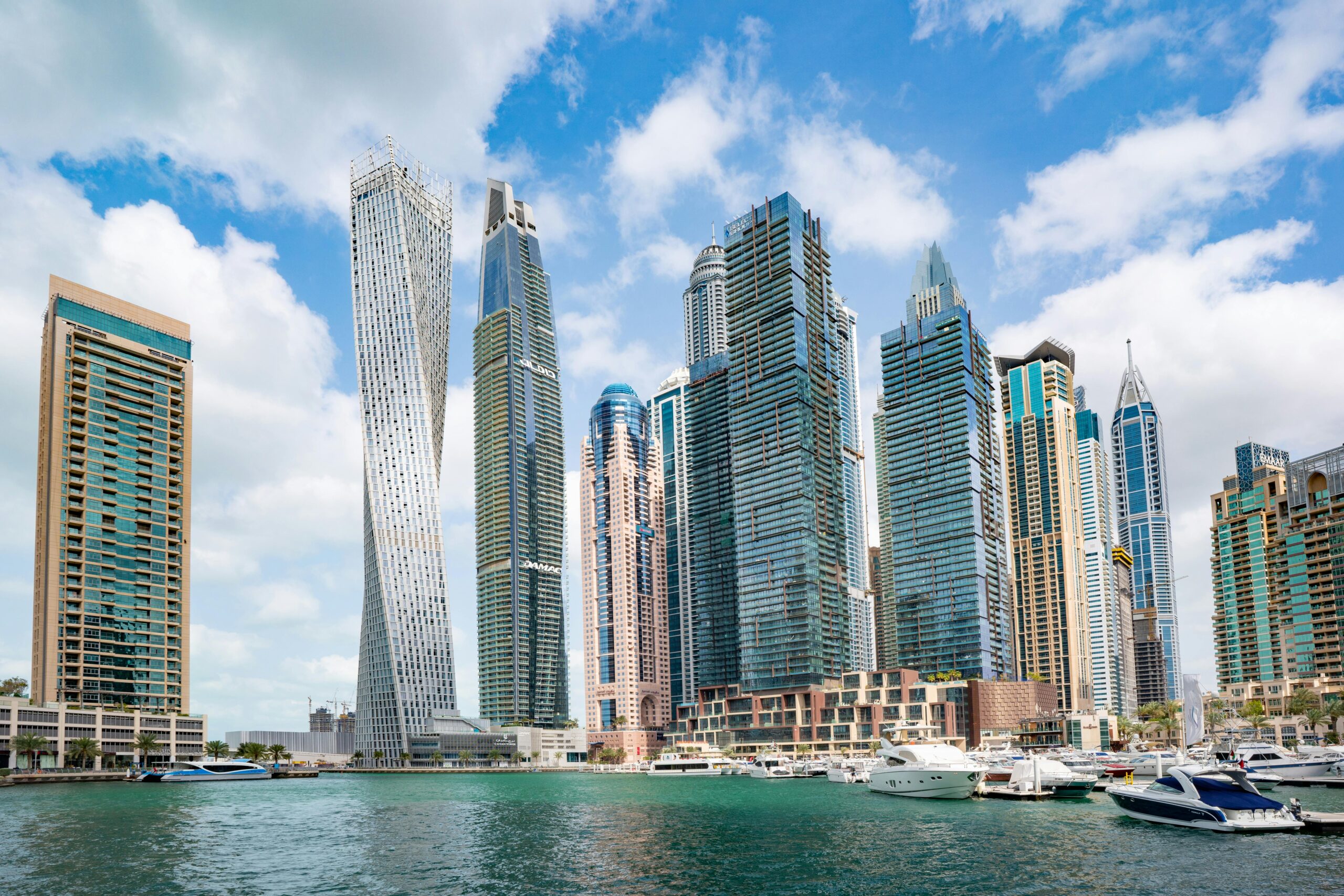
- Dubai Marina – Modern waterfront district
- Al Fahidi Historical Neighborhood – Traditional architecture and museums
- Dubai Frame – Panoramic views of old and new Dubai
- Global Village – Cultural and entertainment destination
Each attraction reflects Dubai’s vision of pushing boundaries while celebrating culture.
Food and Traditional Cuisine
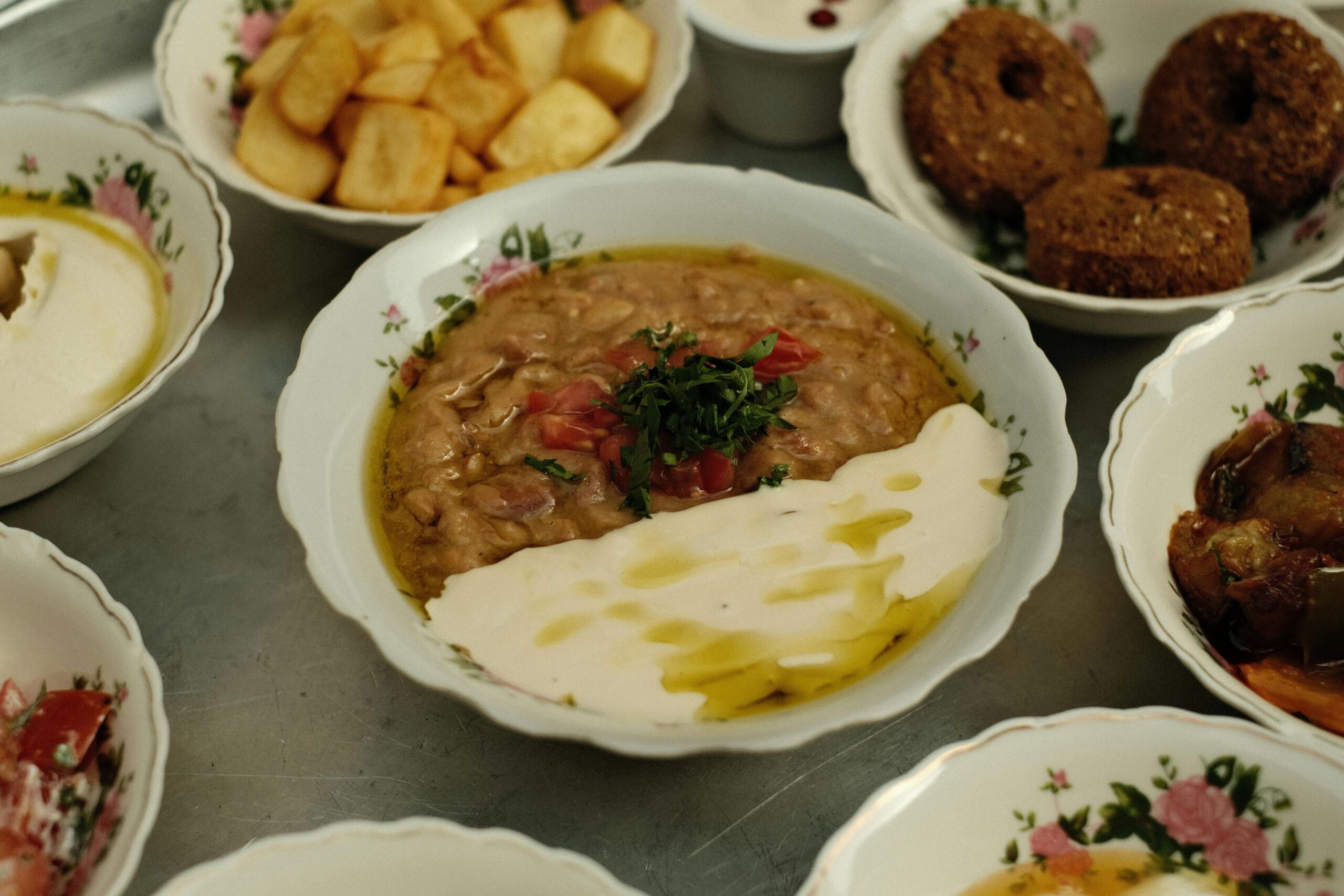
Dubai’s food scene reflects its multicultural population, offering flavors from across the world alongside traditional Emirati dishes.
Traditional foods to try include:
- Al Harees – Wheat and meat slow-cooked to perfection
- Machboos – Spiced rice with meat or seafood
- Shawarma – Popular Middle Eastern street food
- Luqaimat – Sweet dumplings with date syrup
- Arabic coffee (Gahwa) – Served with dates as a sign of hospitality
From street food to fine dining by celebrity chefs, Dubai offers exceptional culinary diversity.
Best Time to Visit and Weather
Dubai has a desert climate with hot summers and mild winters:
- Winter (November–March): Best time to visit, pleasant temperatures
- Summer (June–September): Extremely hot, ideal for indoor attractions
- Shoulder seasons: Comfortable weather and fewer tourists
Winter is peak season, especially for outdoor events and festivals.
Nightlife and Entertainment
Dubai’s nightlife is stylish and upscale:
- Rooftop lounges with skyline views
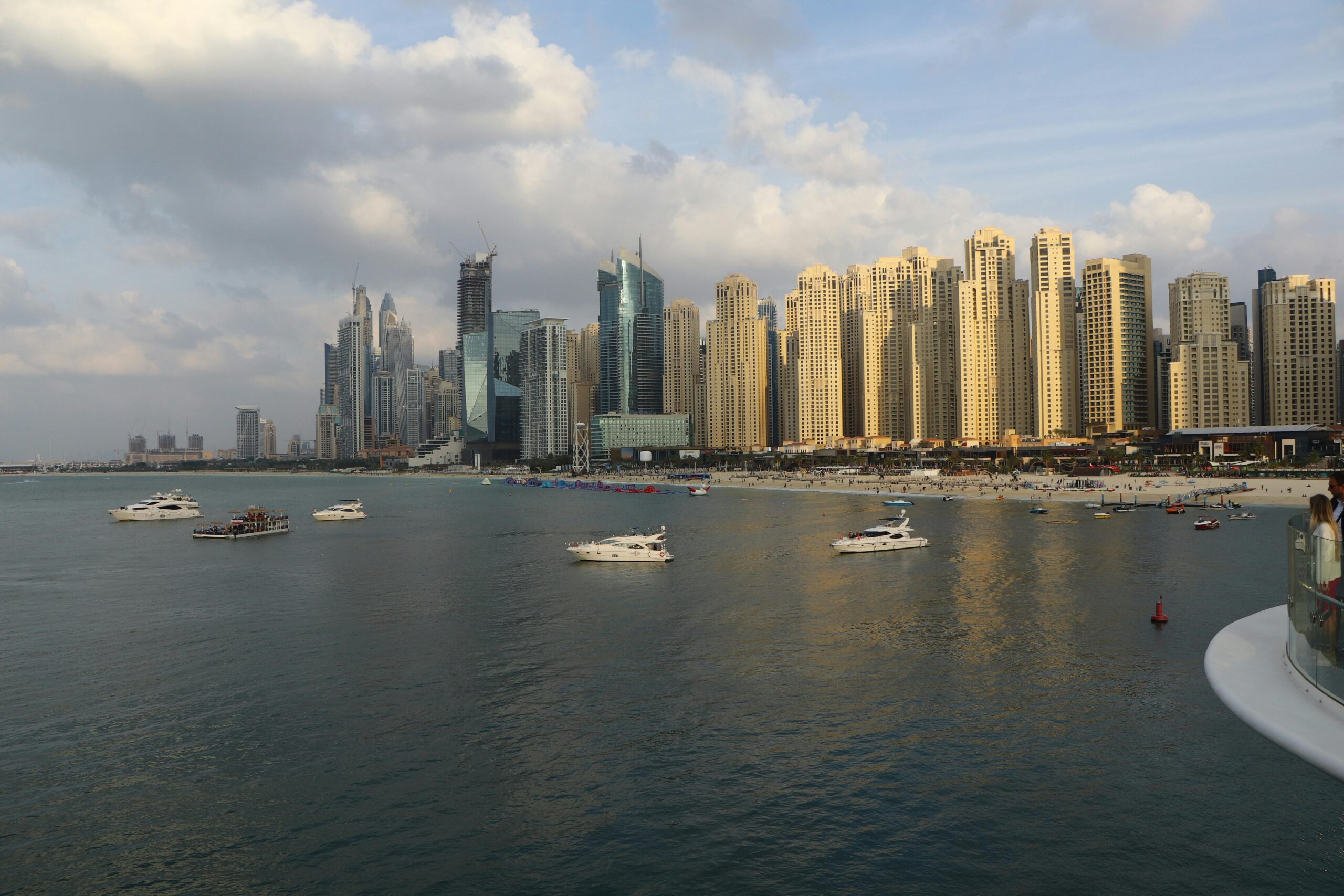
- Beach clubs along JBR and Palm Jumeirah
- Luxury nightclubs with international DJs
- Cultural shows, fountain performances, and desert entertainment
Nightlife in Dubai combines elegance with global influences.
Outdoor Activities and Scenic Spots
Dubai offers unique outdoor experiences:
- Desert safaris with dune bashing and camel rides
- Beaches such as Jumeirah Beach and Kite Beach
- Yacht cruises along the Marina
- Hot air balloon rides over the desert
- Water parks like Aquaventure and Wild Wadi
These activities highlight Dubai’s blend of natural landscapes and luxury leisure.
Why Dubai Is Unique
Dubai stands out for its visionary urban development, luxury lifestyle, and multicultural atmosphere. Few cities have reinvented themselves so rapidly while maintaining a strong cultural identity. Dubai’s commitment to innovation makes it a global symbol of modern ambition.
Conclusion
Dubai is more than a city—it is a statement of possibility and progress. From traditional souks and desert adventures to futuristic skyscrapers and world-class entertainment, Dubai offers a travel experience that is bold, diverse, and unforgettable. Each visit reveals how vision and determination can transform a city into a global icon.