
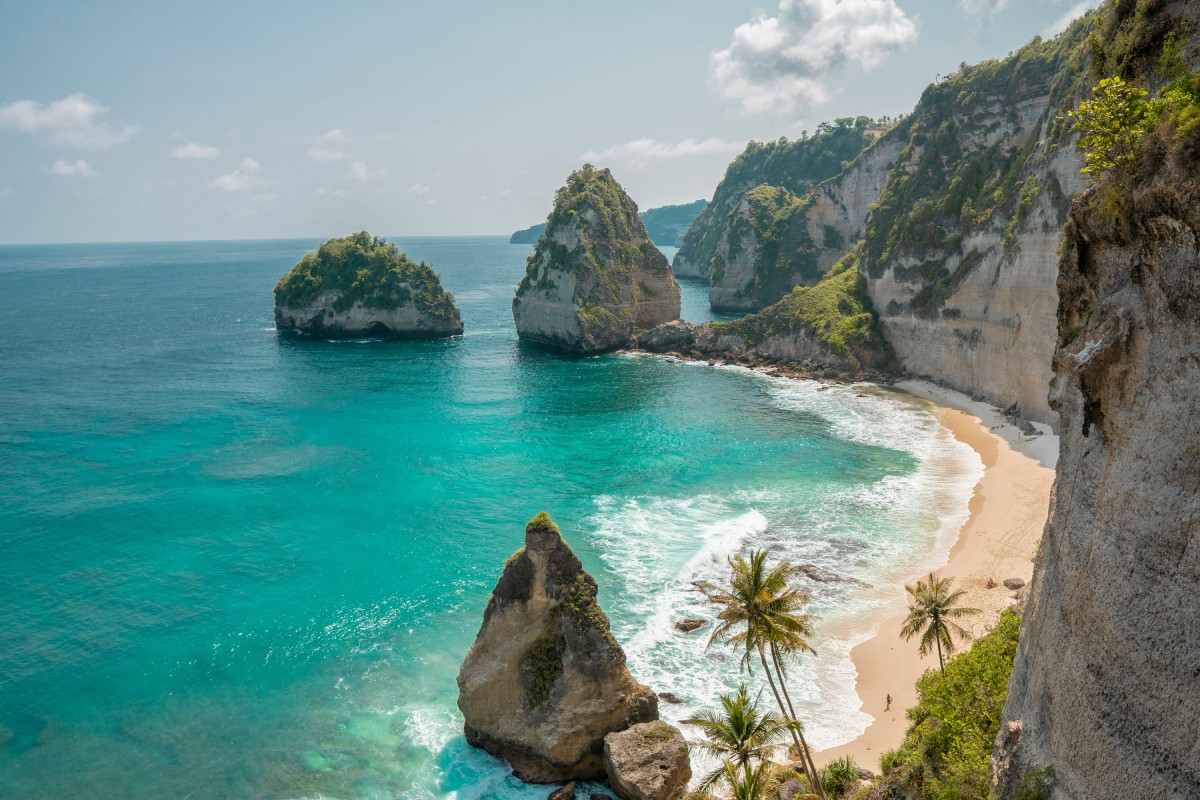
Bali, Indonesia’s most famous island, is a tropical paradise where natural beauty, rich culture, and spiritual traditions come together. Known as the “Island of the Gods,” Bali offers a blend of volcanic mountains, lush rice terraces, pristine beaches, vibrant arts, and spiritual experiences. From sacred temples and traditional villages to modern resorts and lively beach clubs, Bali provides a unique combination of relaxation, adventure, and cultural exploration.
Whether surfing world-class waves, hiking scenic trails, attending temple ceremonies, or exploring traditional markets, Bali immerses visitors in a travel experience that is both spiritually enriching and visually stunning.

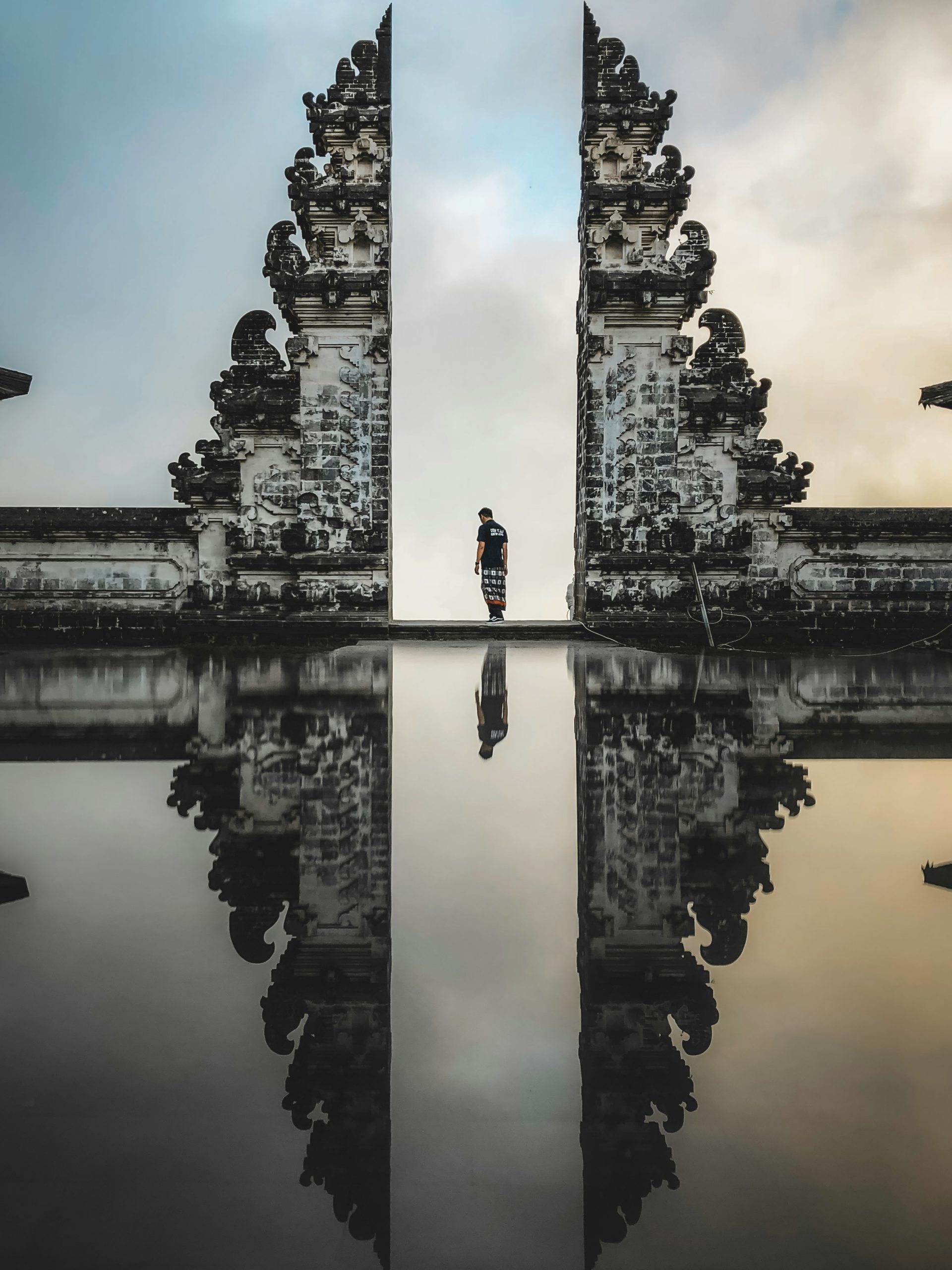
Location, Area, and Population
Bali is located in Indonesia, part of the Lesser Sunda Islands, positioned between Java to the west and Lombok to the east. The island covers an area of approximately 5,780 square kilometers, featuring diverse landscapes from coastal plains and beaches to volcanic mountains and tropical forests.
Bali has a population of around 4.3 million people (Wikipedia), predominantly Balinese Hindus, who maintain a vibrant cultural life. The island is divided into several regencies and districts, each offering distinct experiences. Major areas include Ubud (arts and culture), Kuta (beaches and nightlife), Seminyak (luxury resorts and shopping), Canggu (trendy cafes and surf culture), and Nusa Dua (family-friendly resorts and pristine beaches).
Planning Your Trip to Bali
Bali offers very different experiences depending on where you choose to stay and how you plan your time on the island.
If you want to explore Bali in more detail, these guides can help:
– **Best Hotels in Bali by Budget**
– **Best Tours and Experiences in Bali**
– **Is Bali safe for tourists in 2026**
– **Bali trip cost breakdown**
– **Bali itinerary for 7 days**
History and Cultural Heritage
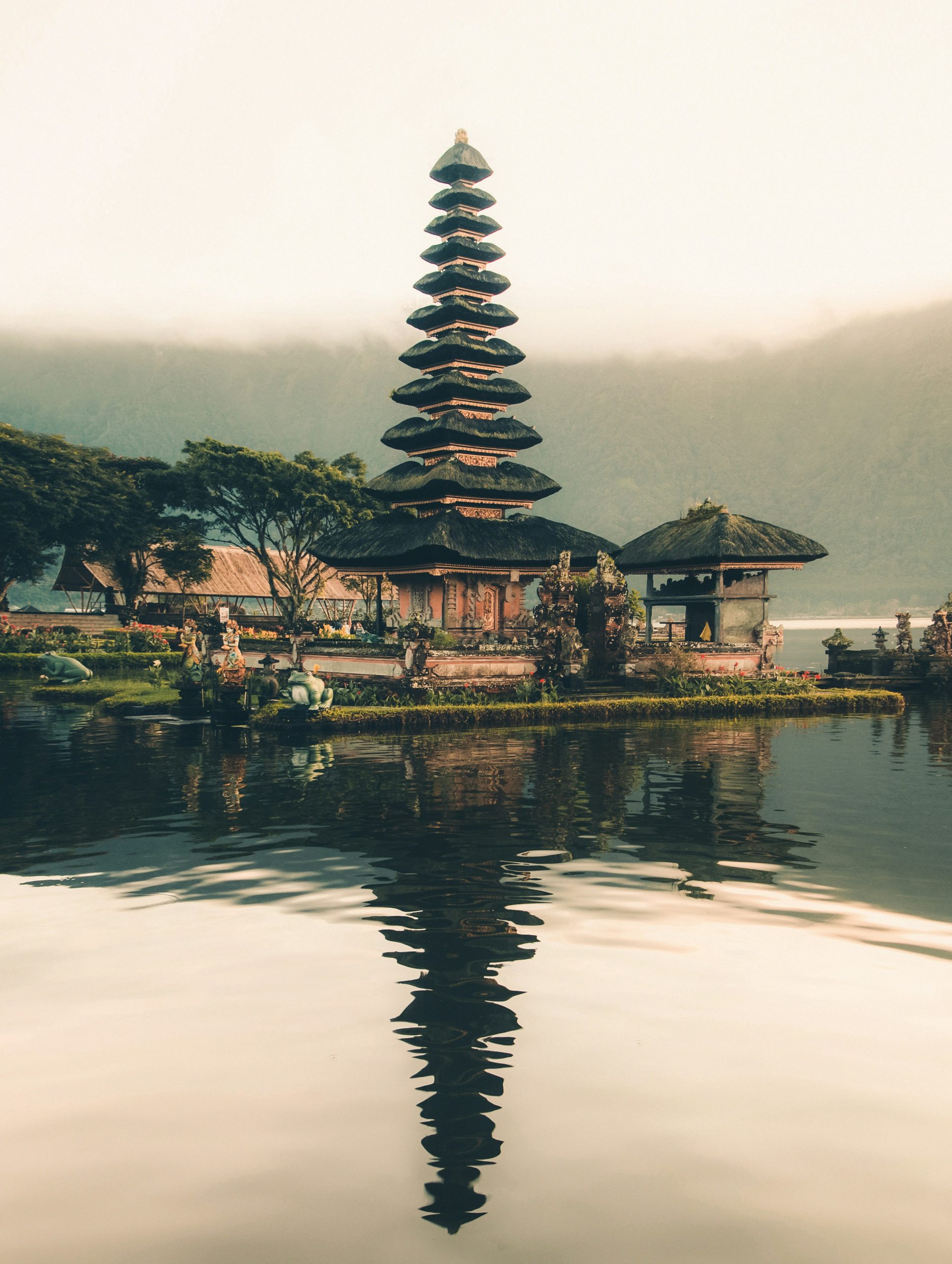
Bali’s culture is deeply rooted in Hindu traditions, introduced from India over a thousand years ago. Unlike most of Indonesia, which is predominantly Muslim, Bali has preserved its unique Hindu-Balinese culture, visible in daily offerings, temple ceremonies, and festivals.
Key cultural and historical sites include:
- Uluwatu Temple – A cliffside sea temple famous for its traditional Kecak dance performances at sunset
- Besakih Temple – Known as the “Mother Temple” of Bali, located on the slopes of Mount Agung
- Tirta Empul – Sacred water temple where locals and visitors participate in purification rituals
- Goa Gajah – “Elephant Cave,” an ancient archaeological site with intricate carvings
- Ubud Palace (Puri Saren Agung) – Traditional Balinese architecture and cultural performances
Balinese festivals, such as Galungan, Nyepi (Day of Silence), Kuningan, and Odalan, highlight the island’s vibrant spiritual traditions, with colorful ceremonies, offerings, and processions seen across villages and temples.

Iconic Landmarks and Places to Visit
Bali is packed with attractions for nature lovers, culture enthusiasts, and adventure seekers:
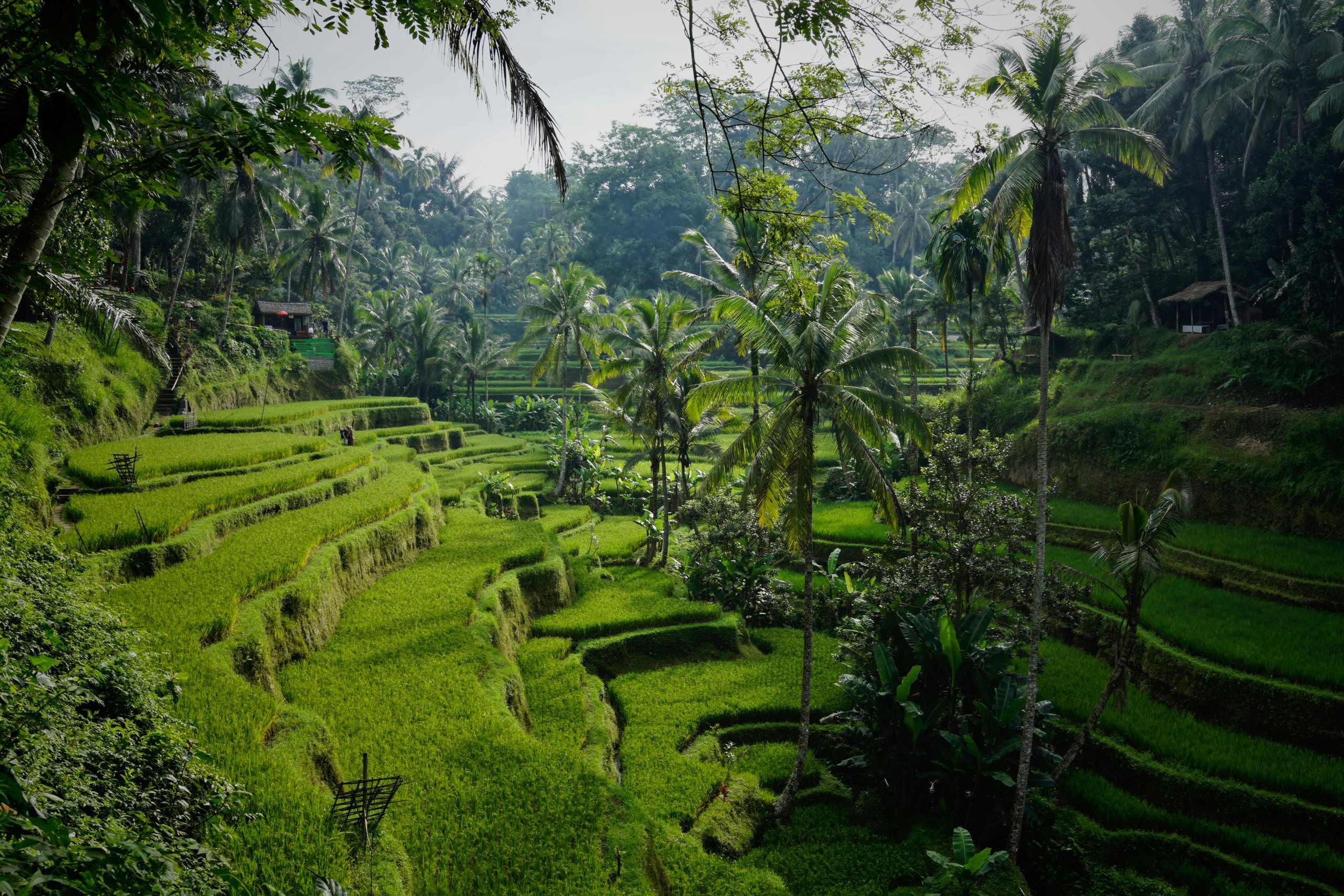
- Ubud Rice Terraces – Iconic landscapes of Tegallalang and Jatiluwih, perfect for hiking and photography
- Mount Batur – Active volcano ideal for sunrise trekking with spectacular views
- Seminyak and Kuta Beaches – Popular for surfing, sunbathing, and vibrant nightlife
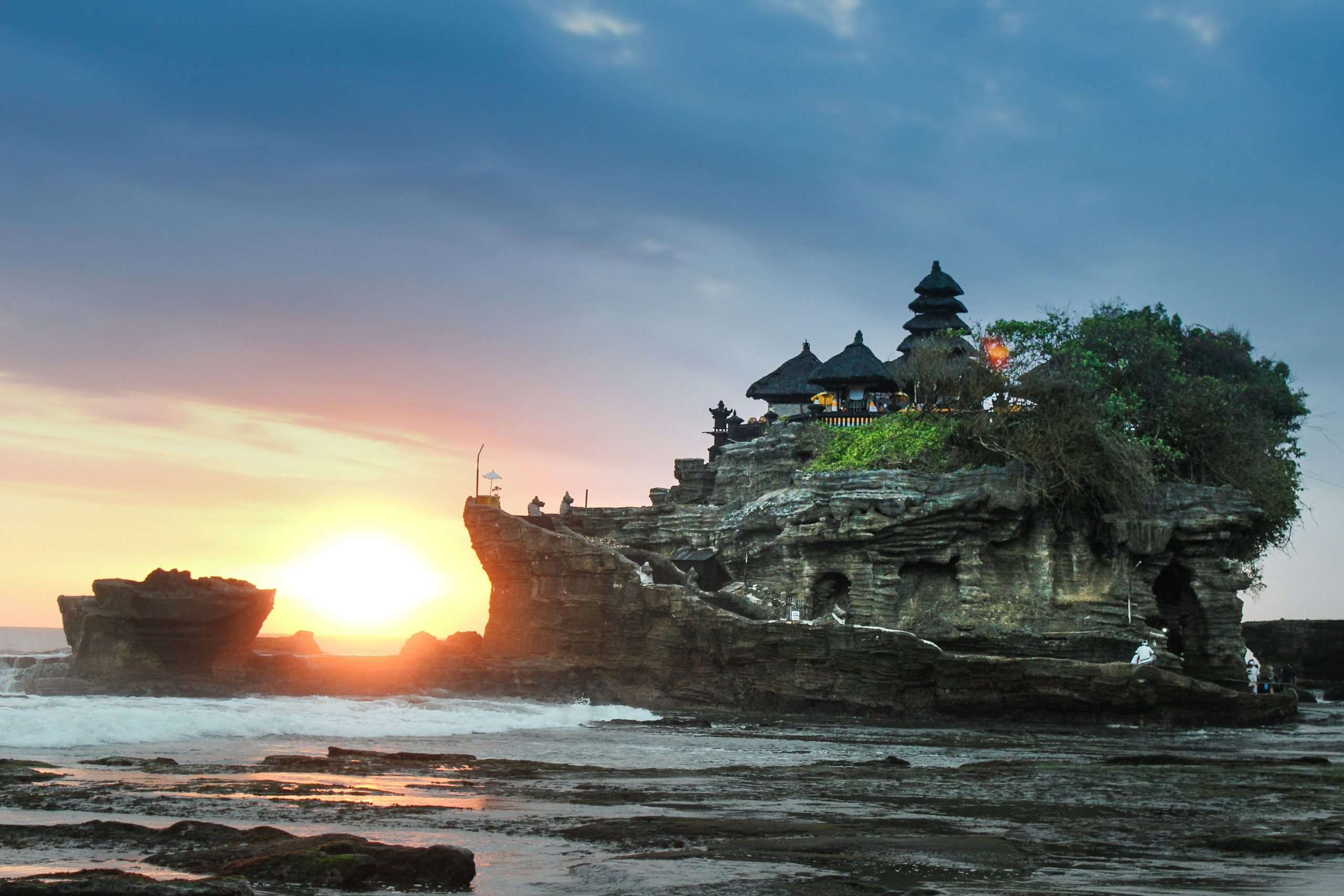
- Tanah Lot Temple – Stunning sea temple offering unforgettable sunset views
- Monkey Forest – Sacred sanctuary in Ubud filled with playful macaques
- Nusa Dua & Jimbaran – Luxury resorts, seafood dining, and calm beaches
- Gili Islands & Nusa Penida – Excursions for snorkeling, diving, and island exploration
Other noteworthy spots include Tegenungan and Sekumpul waterfalls, Taman Ayun Temple, and the Campuhan Ridge Walk in Ubud for peaceful hiking and nature immersion.

Food and Traditional Cuisine
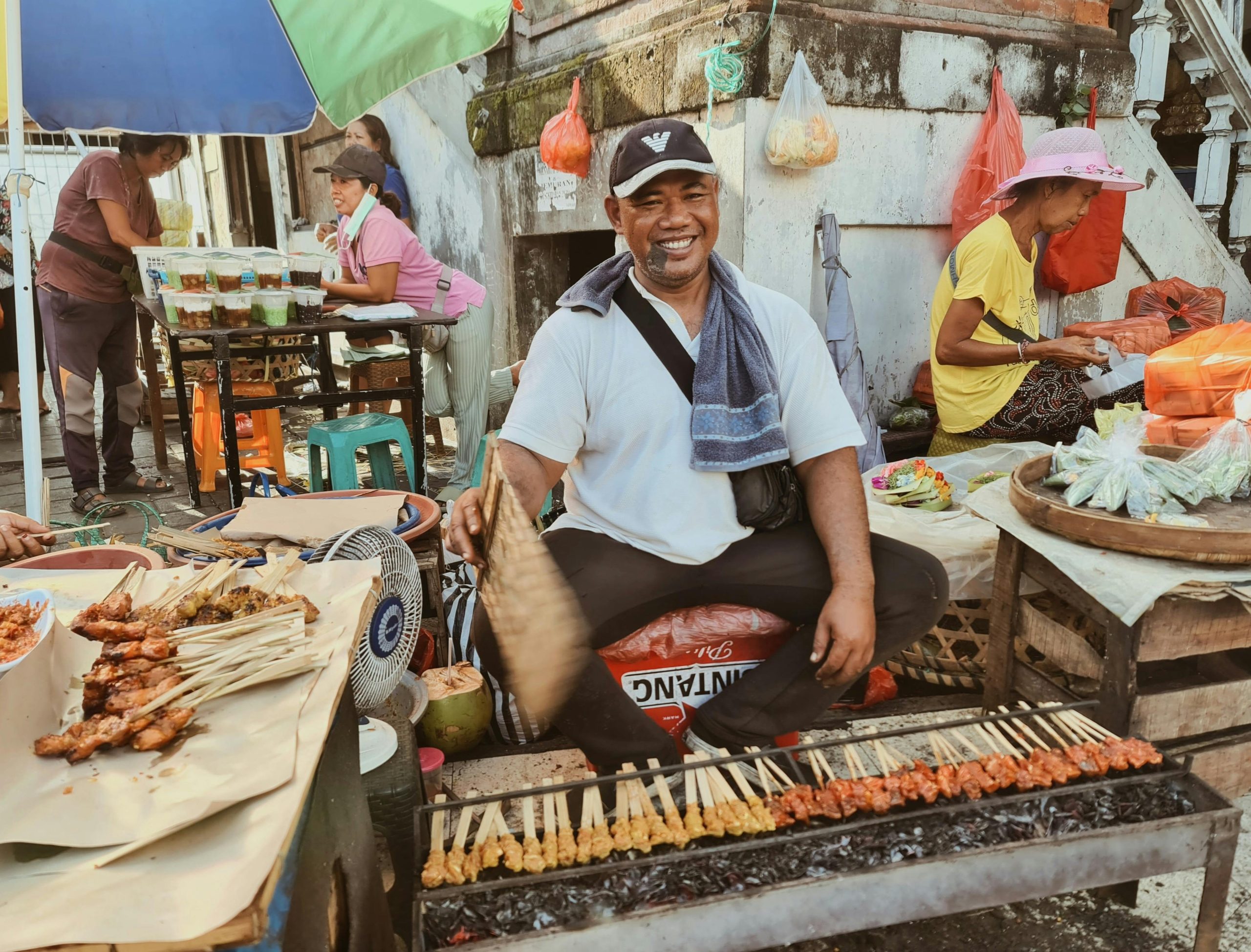
Bali’s cuisine is a delightful fusion of traditional Balinese dishes, Indonesian flavors, and international influences. Local food can be found in warungs (small eateries), markets, and street stalls, while resorts and restaurants offer gourmet experiences.
Must-try dishes include:
- Babi Guling – Roast suckling pig, seasoned with local spices
- Bebek Betutu – Slow-cooked duck wrapped in banana leaves
- Nasi Campur – Mixed rice with vegetables, meat, and spicy sambal
- Sate Lilit – Minced fish or meat satay wrapped around lemongrass sticks
- Lawar – Traditional salad made from vegetables, coconut, and spices
- Balinese desserts – Such as Dadar Gulung (coconut pancakes) and tropical fruits like mango, rambutan, and dragon fruit
Bali’s thriving café culture, vegan and organic restaurants, and international dining options make the island a culinary hotspot for all tastes.
Best Time to Visit and Weather
Bali has a tropical climate with two main seasons:
- Dry season (April–October): Best for beaches, hiking, and cultural tours
- Rainy season (November–March): Occasional heavy showers, fewer tourists, lush landscapes
Temperature ranges from 24°C to 32°C, with humidity high year-round. The dry season is optimal for outdoor adventures, island hopping, and temple visits.
For a deeper breakdown of seasons and travel conditions, see our best time to visit Bali guide.
Nightlife and Entertainment
Bali offers a diverse nightlife, ranging from traditional performances to modern beach clubs:
- Seminyak & Kuta – Trendy bars, beach clubs, and nightclubs
- Canggu – Hip cafes, music venues, and surfing communities
- Ubud – Cultural performances, traditional dances, and evening shows
- Jimbaran Bay – Sunset dinners on the beach with live music
Bali’s nightlife caters to party-goers, couples, and cultural travelers, offering a balance between relaxation and entertainment.
Outdoor Activities and Scenic Spots
Bali is perfect for adventure, nature, and wellness:
- Surfing and swimming at Kuta, Seminyak, and Nusa Dua
- Snorkeling and diving at Nusa Penida, Gili Islands, and Menjangan Island
- Trekking Mount Batur for sunrise views
- Visiting waterfalls like Tegenungan, Sekumpul, and Gitgit
- Cycling through Ubud rice terraces and traditional villages
- Participating in yoga retreats, spa treatments, and meditation workshops
The island seamlessly balances spirituality, adventure, and relaxation, appealing to all types of travelers.
To plan activities and day trips, explore the best tours and experiences in Bali guide.
Why Bali Is Unique
Bali is unique for its fusion of natural beauty, spirituality, cultural richness, and modern tourism infrastructure. Few destinations in the world offer volcanic landscapes, rice terraces, sacred temples, pristine beaches, and vibrant nightlife within a single island. Its warm hospitality, rich traditions, and diverse activities make it a world-class destination for every type of traveler.
Conclusion
Bali is more than an island—it is a spiritual, cultural, and natural paradise. From sacred temples, lush rice terraces, and volcanic peaks to surfing beaches, vibrant nightlife, and wellness retreats, Bali offers an experience that is memorable, immersive, and magical. Every visit reveals new layers of culture, adventure, and natural beauty, making Bali a must-visit destination in Asia.