
Botswana is one of Africa’s most pristine and carefully protected travel destinations, known for its commitment to conservation and low-impact tourism. At the heart of its natural identity lies the Okavango Delta, a place unlike any other on Earth—a vast inland delta where rivers spread into the desert, creating a seasonal oasis of water, wildlife, and life.
Unlike traditional safari destinations dominated by dry savannas, the Okavango Delta is defined by water. Channels, lagoons, islands, and floodplains form a living, breathing ecosystem that changes shape throughout the year. The result is a landscape that feels fluid, reflective, and endlessly cinematic.
For travelers, photographers, and filmmakers, the Okavango Delta offers Africa in slow motion—quiet, intimate, and profoundly beautiful.


Location, Area, and Population
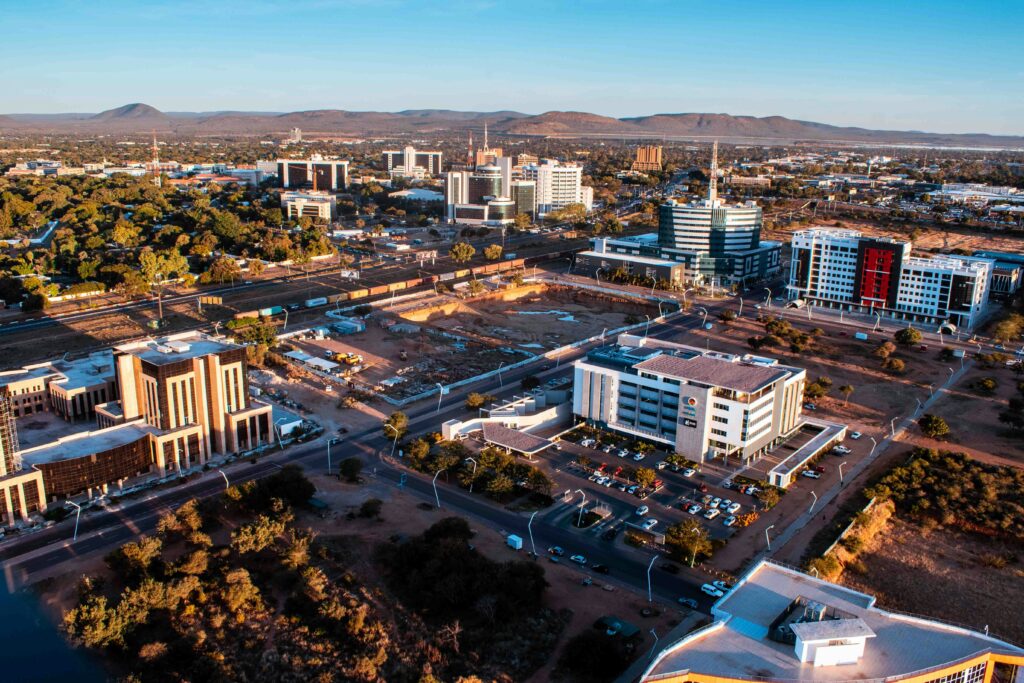
Botswana is located in southern Africa, bordered by Namibia, Zambia, Zimbabwe, and South Africa. Much of the country is covered by the Kalahari Desert, making the presence of the Okavango Delta even more extraordinary.
According to Wikipedia, Botswana covers an area of approximately 581,730 square kilometers and has a population of around 2.6 million people, making it one of the least densely populated countries in Africa.
The Okavango Delta itself spans up to 15,000 square kilometers during peak flood season, depending on annual rainfall patterns. Instead of flowing into the sea, the Okavango River disperses into the desert sands, creating one of the world’s largest inland deltas.
History and Cultural Heritage
Botswana’s history is closely tied to the Tswana people, whose traditions and social structures emphasized community, respect for land, and sustainable resource use. Unlike many African nations, Botswana avoided large-scale conflict after independence in 1966, allowing it to focus on conservation and long-term development.
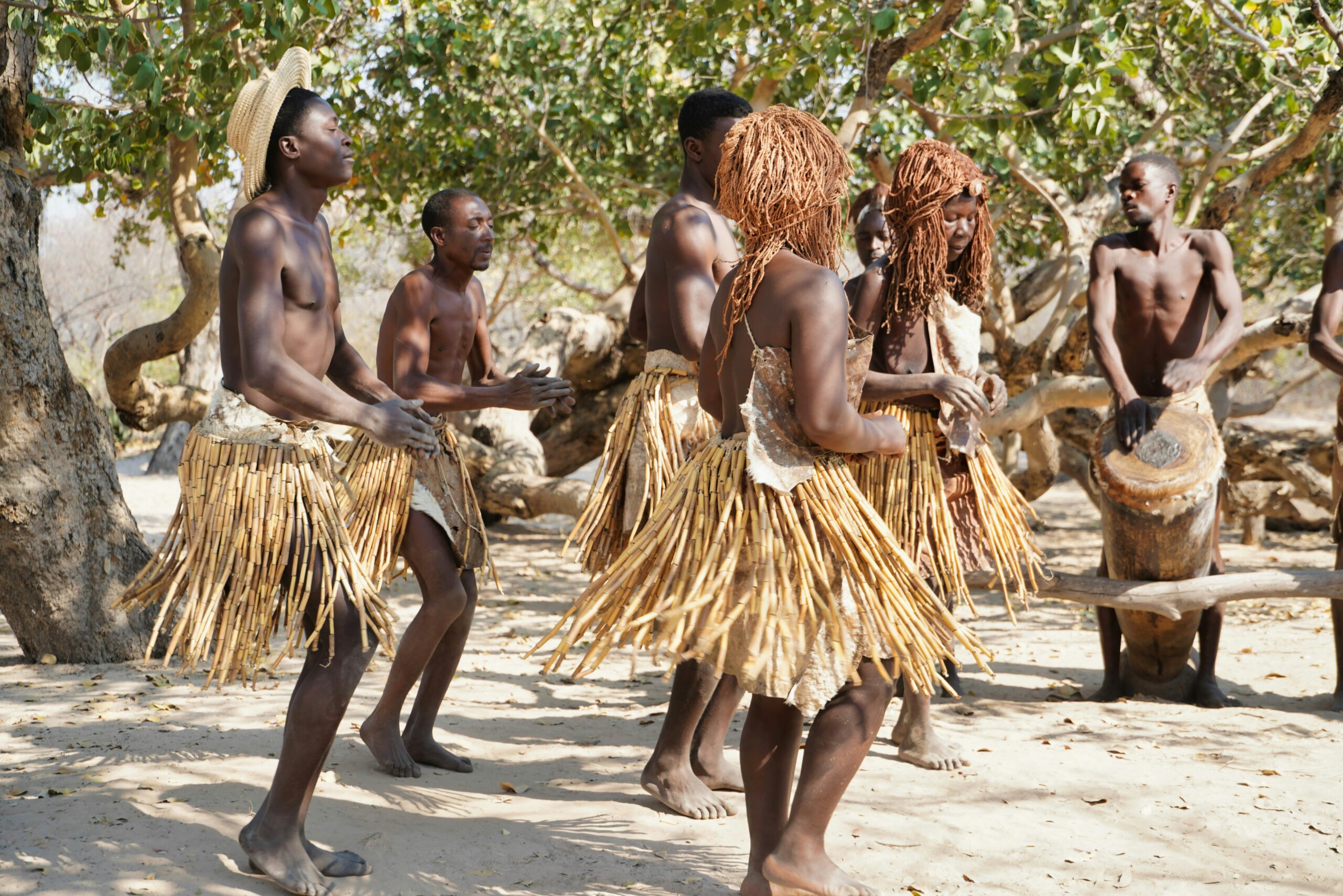
The Okavango region has been inhabited for thousands of years by indigenous communities such as the San (Bushmen), whose deep knowledge of water, wildlife, and survival shaped their relationship with the delta.
Today, Botswana is internationally recognized for its responsible tourism model, prioritizing wildlife protection and environmental sustainability over mass tourism.
Okavango Delta and UNESCO World Heritage Status
According to UNESCO, the Okavango Delta was designated a World Heritage Site due to its exceptional ecological value and unique hydrological system.
Each year, seasonal floodwaters originating in the Angolan highlands travel hundreds of kilometers south, arriving in Botswana during the dry season. This counterintuitive flooding cycle transforms the delta into a lush sanctuary precisely when surrounding areas are driest.
UNESCO recognition highlights the delta’s role as a critical refuge for wildlife and one of the most intact wetland ecosystems in Africa.
A Delta That Breathes with the Seasons
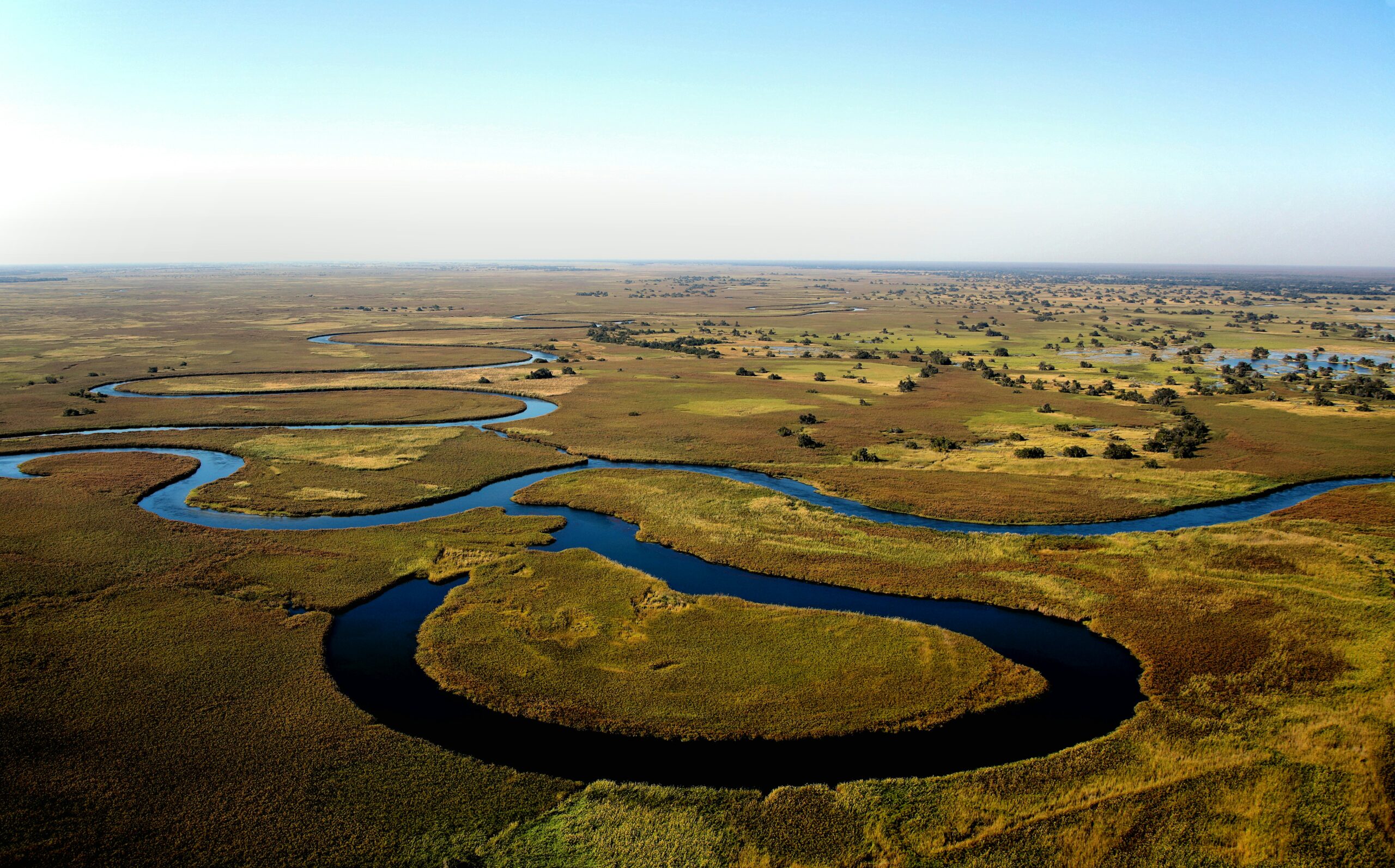
The Okavango Delta is constantly changing. Water levels rise and fall, channels shift, and islands emerge or disappear depending on the season.
During peak floods:
- Vast plains turn into shallow lakes
- Papyrus reeds sway with slow-moving currents
- Water reflects the sky like a mirror
As waters recede:
- New grazing areas appear
- Wildlife concentrates around remaining channels
- Landscapes become layered with texture and contrast
This seasonal rhythm makes the Okavango visually dynamic and endlessly fascinating to document.
Wildlife of the Okavango Delta
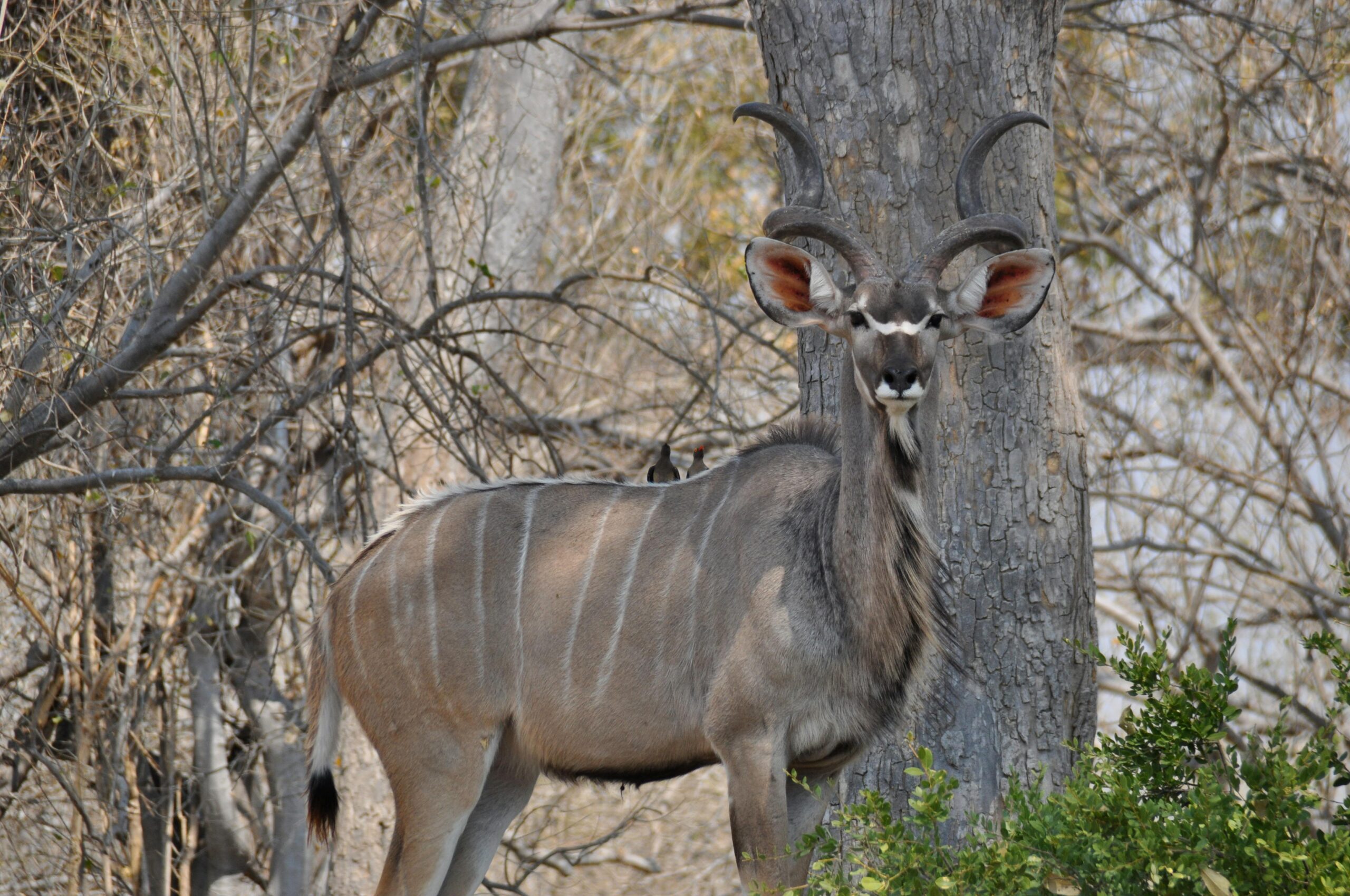
The Okavango Delta supports one of the richest concentrations of wildlife in Africa. According to Wikipedia, the delta is home to:
- Large populations of elephants, often seen crossing channels
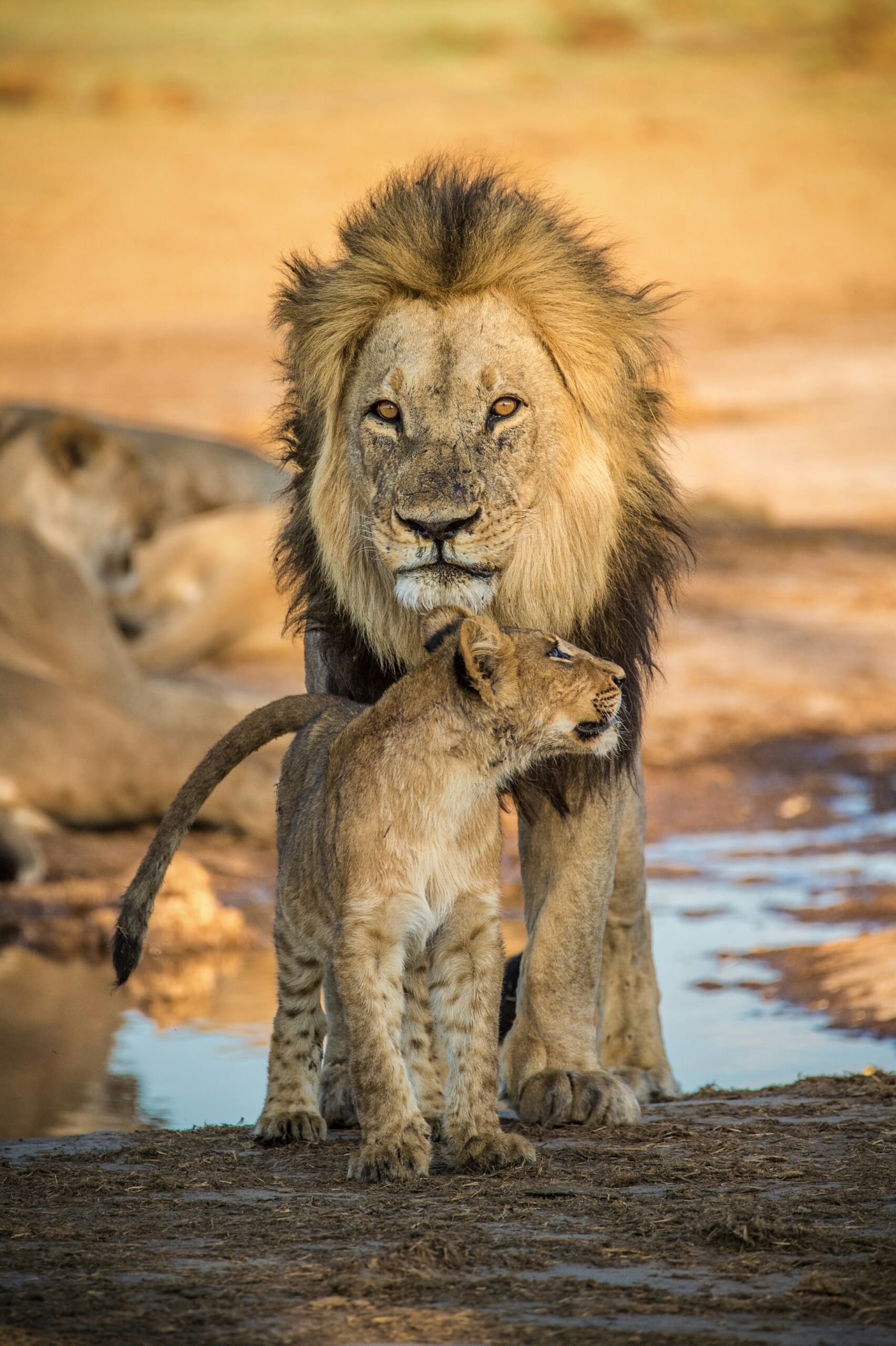
- Lions adapted to hunting in wetlands
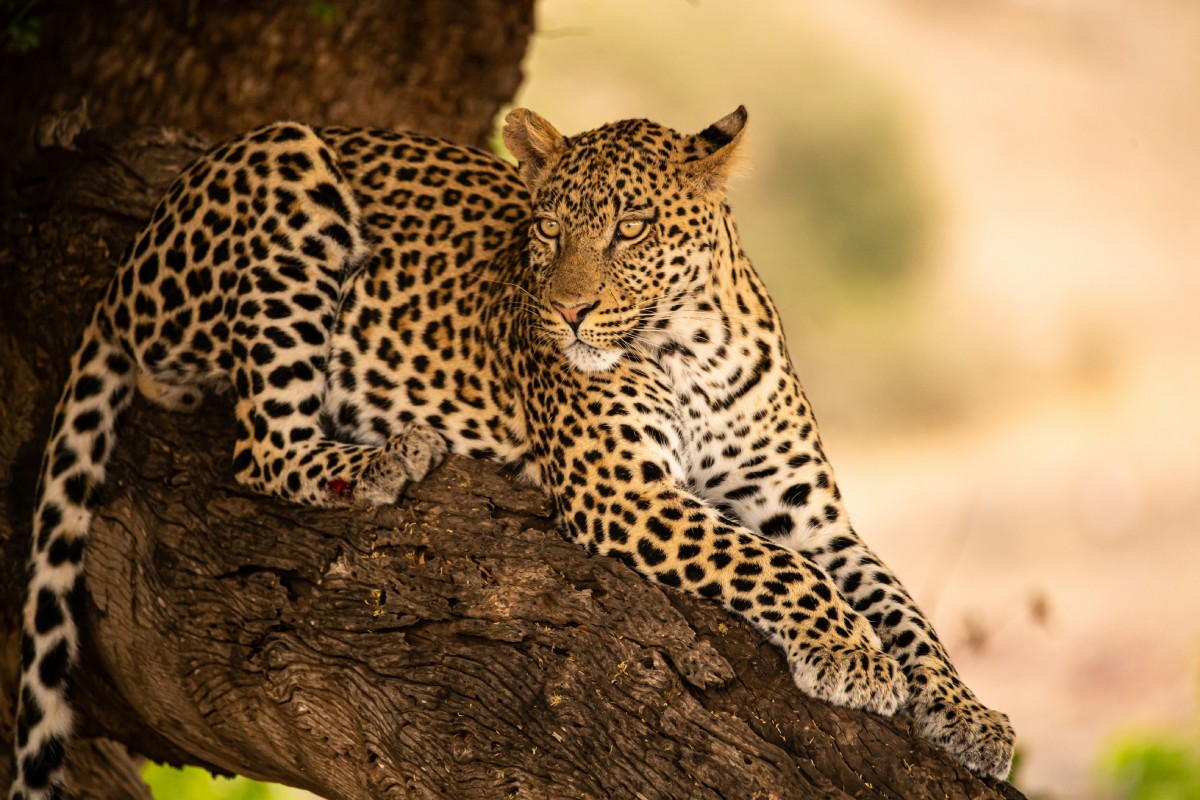
- Leopards resting in riverine forests
- Buffalo herds moving between islands
- Hippos and crocodiles dominating waterways
Birdlife is equally spectacular, with hundreds of species including fish eagles, herons, storks, and kingfishers.
What sets Okavango wildlife encounters apart is proximity and intimacy—animals are often seen at water level, reflected in calm channels, creating powerful visual symmetry.
Mokoro Safaris – The Heart of the Delta Experience
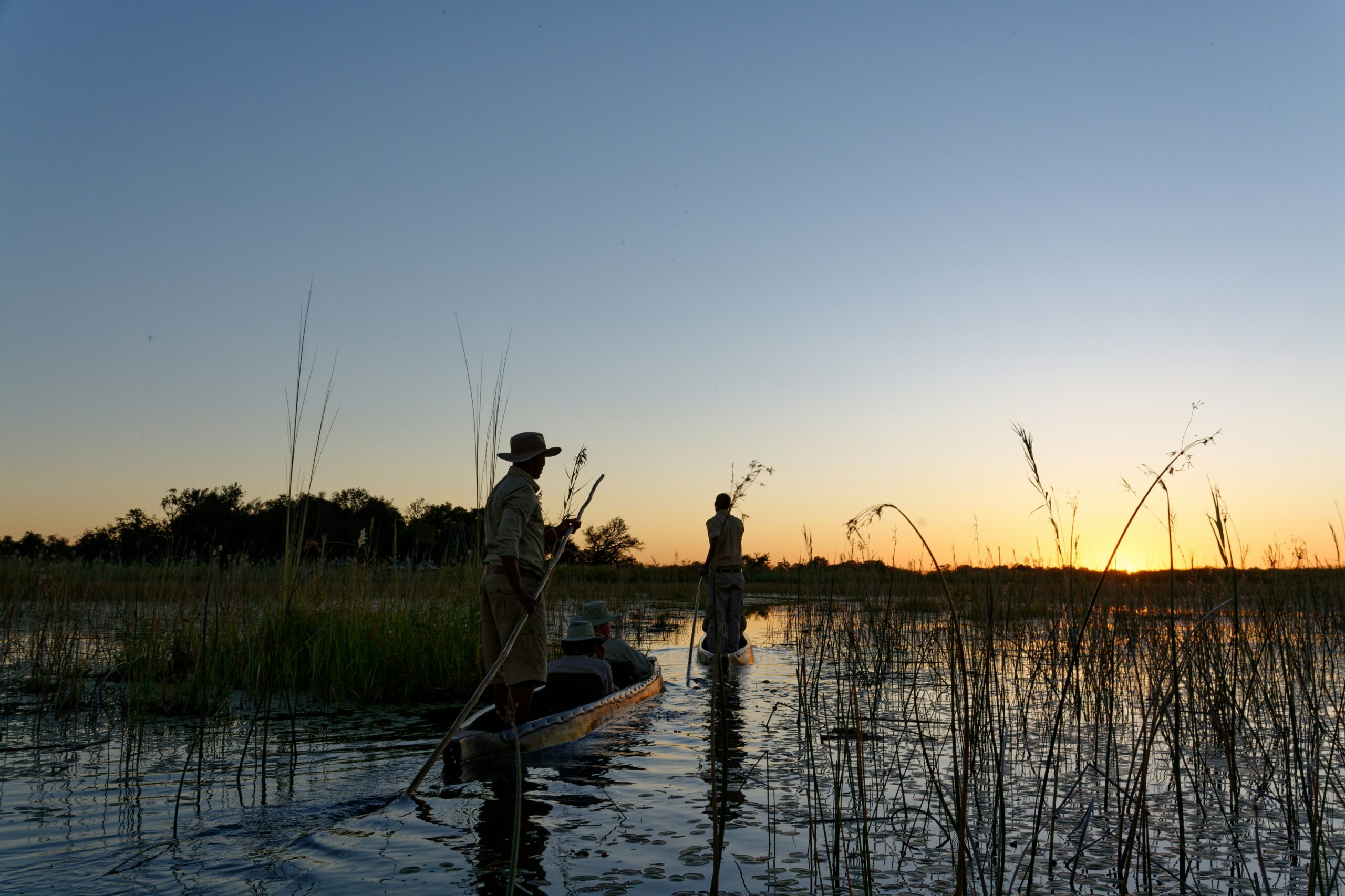
One of the most iconic experiences in the Okavango Delta is traveling by mokoro, a traditional dugout canoe.
Gliding silently through narrow channels:
- Water lilies float past
- Reeds brush the sides of the canoe
- Wildlife appears unexpectedly at close range
This slow, quiet mode of travel allows for immersive observation and creates ideal conditions for cinematic footage—steady movement, natural sound, and intimate framing.
Mokoro safaris represent the soul of the delta: gentle, respectful, and deeply connected to nature.
Islands, Floodplains, and Hidden Landscapes
The delta is made up of countless islands, each with its own character. Some are forested with palms and fig trees, while others are open grasslands used by grazing animals.
Key areas within the delta include:
- Chief’s Island – One of the largest islands, rich in wildlife
- Moremi Game Reserve – Protected core area with diverse habitats
- Xakanaxa Region – Channels, lagoons, and birdlife
- Khwai Area – Transition zone between dry land and wetlands
These areas offer diverse visual settings within a single ecosystem.
Light, Water, and Visual Atmosphere
What makes the Okavango Delta truly cinematic is its relationship with light.
Morning:
- Soft mist rising from water
- Pastel reflections and silence
Midday:
- Bright skies mirrored in channels
- Strong contrast between water and vegetation
Evening:
- Golden light across floodplains
- Reflections of elephants and trees
- Calm, glass-like surfaces
Night:
- Star-filled skies with no light pollution
- Sounds of wildlife echoing across water
The delta encourages patience, allowing moments to unfold naturally.
Best Time to Visit and Weather
According to Wikipedia, the best time to visit the Okavango Delta depends on water levels and wildlife movement:
- June–September: Peak flood season, best for mokoro safaris and water-based visuals
- October: Hot, dramatic light, intense wildlife activity
- November–March: Rainy season, lush landscapes and birdlife
Each season offers distinct visual storytelling opportunities, from reflective calm to dramatic intensity.
Conservation and Sustainable Tourism
Botswana’s approach to tourism is built on low-volume, high-quality experiences. Many areas of the Okavango Delta are accessible only by small aircraft, limiting visitor numbers and reducing environmental impact.
According to conservation data referenced on Wikipedia, this model has helped preserve ecosystems while supporting local communities.
This philosophy ensures that the delta remains quiet, uncrowded, and visually pristine—an increasingly rare quality in global travel destinations.
Why the Okavango Delta Is Unique
The Okavango Delta stands apart for its unexpected beauty. Water in the desert, wildlife reflected in still channels, and silence broken only by natural sounds create an experience that feels meditative and profound.
It is not about spectacle alone—it is about presence, balance, and rhythm. Few places in Africa invite such a deep connection with the environment.
Conclusion
The Okavango Delta is one of Africa’s greatest natural treasures. A UNESCO-protected wetland, it offers a safari experience defined by water, reflection, and quiet intimacy. From mokoro journeys through reed-lined channels to wildlife encounters framed by mirrored skies, the delta provides a visual and emotional experience unlike any other.
For travelers seeking slow, cinematic storytelling and landscapes that feel alive and ever-changing, Botswana’s Okavango Delta remains unmatched.