
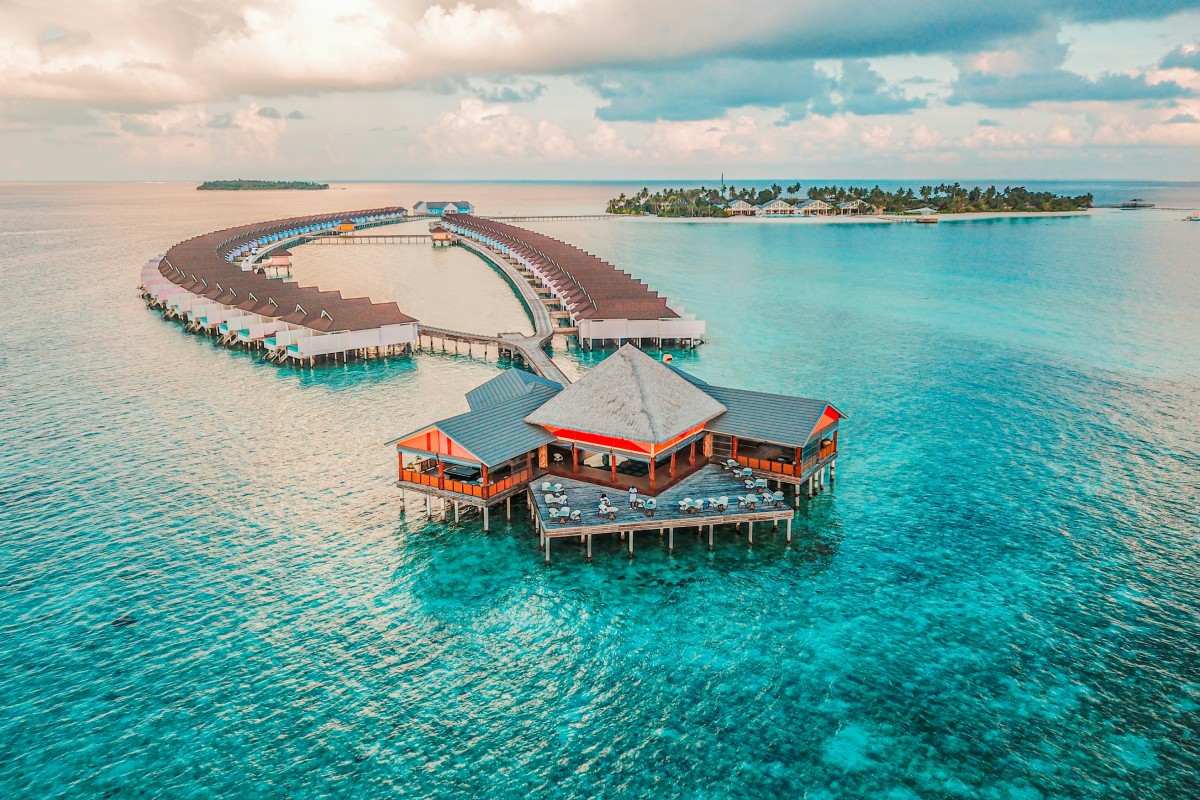
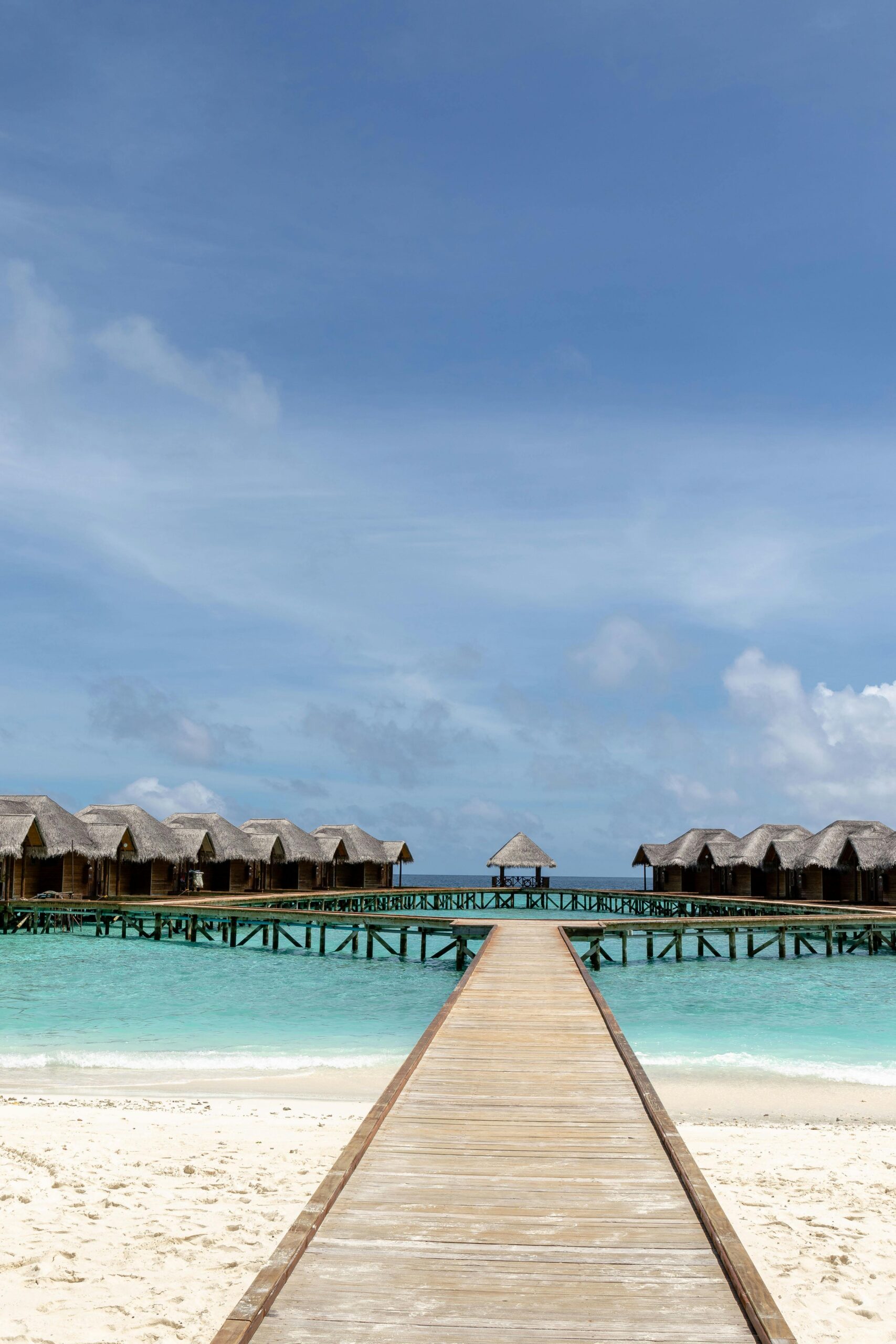
The Maldives, a tropical nation scattered across the Indian Ocean, is one of the world’s most iconic island destinations. Known for its crystal-clear lagoons, overwater villas, powder-soft white sand, and endless shades of turquoise, the Maldives represents the ultimate image of a tropical escape. For many travelers, it is the definition of paradise—remote, peaceful, and visually breathtaking.
Often associated with luxury and honeymoon travel, the Maldives is more diverse than it appears at first glance. Beyond the private island resorts, local islands offer authentic culture, guesthouses, and budget-friendly experiences. Coral reefs surround nearly every island, creating one of the richest marine ecosystems on Earth, ideal for snorkeling, diving, and underwater photography.
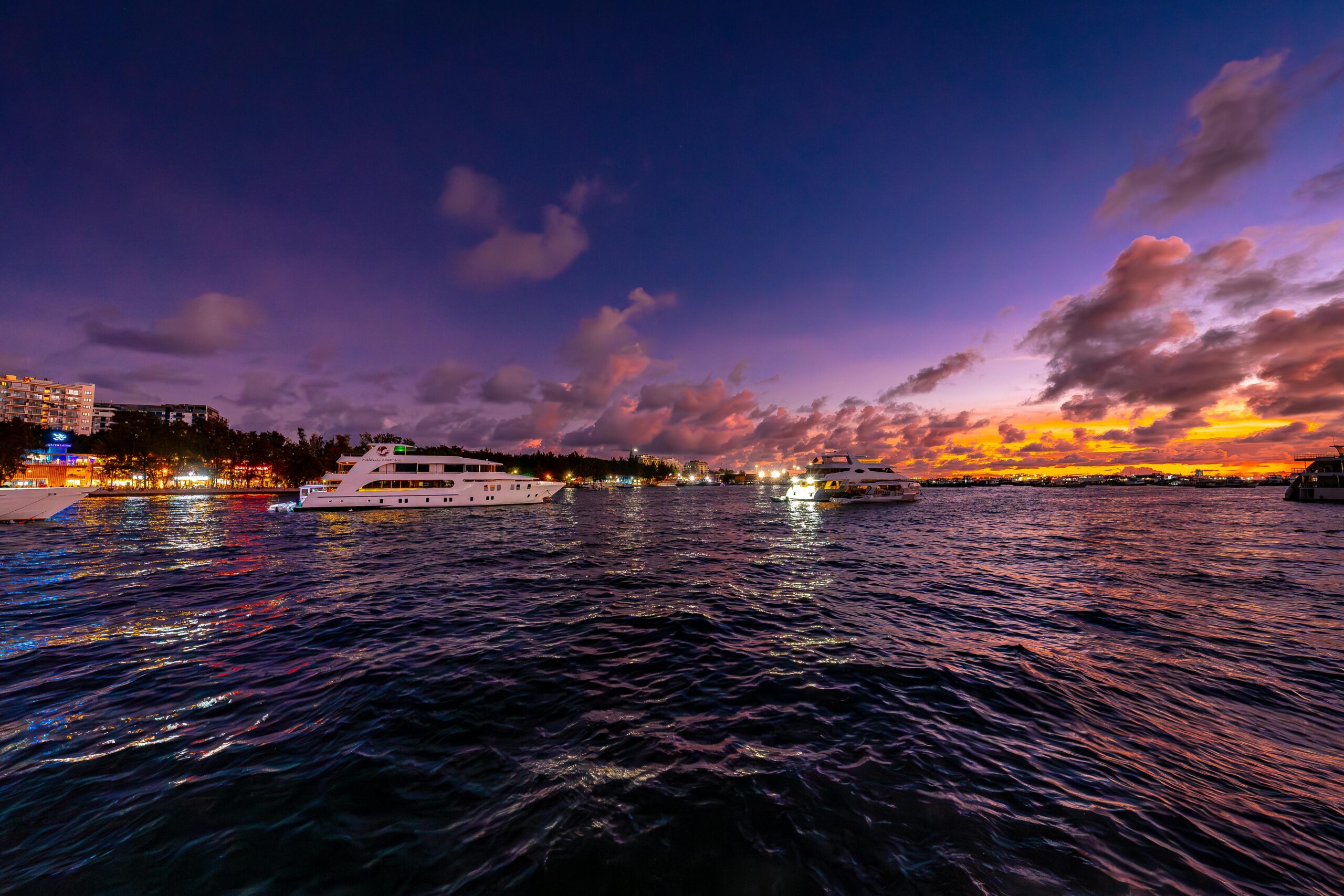
From sunrise reflections over glassy lagoons to sunsets that turn the sky into shades of gold and pink, the Maldives feels like a destination designed for dreamlike travel stories and cinematic visuals.
If you are planning your trip, this Maldives travel guide covers everything you need to know before visiting the islands.
Trying to decide between two tropical paradises? Read our full comparison: Zanzibar vs Maldives
Location, Area, and Population
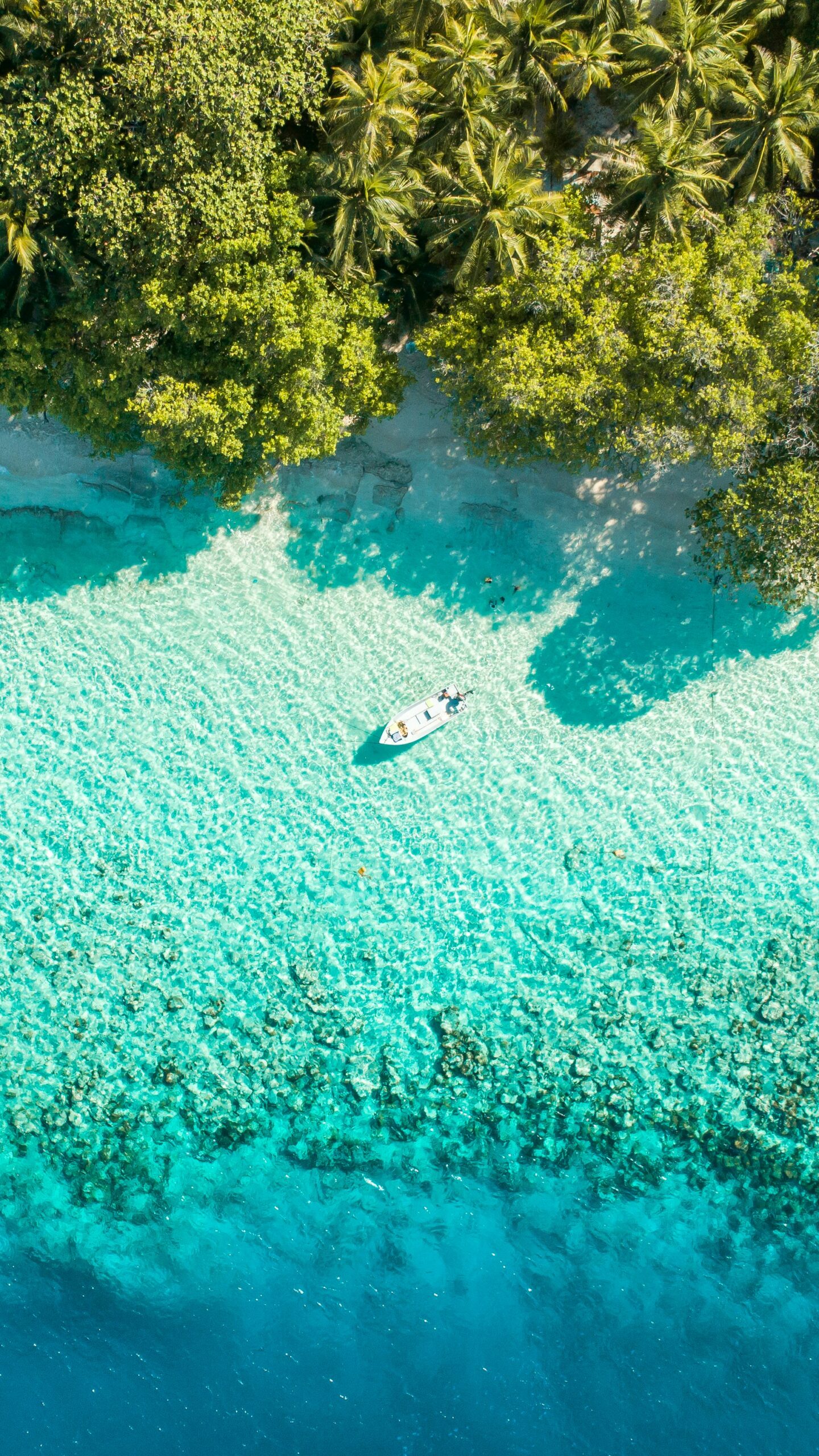
Maldives is located in the Indian Ocean, southwest of Sri Lanka and India, approximately 700 to 750 kilometers from the Asian mainland. The country is an archipelago made up of 26 natural atolls and more than 1,000 small coral islands spread across warm tropical waters near the equator.
According to Wikipedia, the Maldives has a land area of approximately 298 square kilometers, but its territory extends across nearly 90,000 square kilometers of ocean, making it one of the most geographically dispersed countries in the world. The population is a little over 500,000 residents, most of whom live in the capital city, Malé.
The geography of the Maldives is defined by low-lying coral islands, shallow lagoons, and extensive reef systems. With an average elevation of only about 1.5 meters above sea level, the Maldives is the lowest country on Earth. This unique natural layout creates the crystal-clear waters, sandbanks, and vibrant marine ecosystems that make the Maldives one of the most visually stunning destinations in the world.
Planning Your Trip to Maldives – Travel Guides
The Maldives offers very different travel experiences depending on whether you stay at a private island resort or on a local island. Your budget, travel style, and expectations will shape your entire trip.
If you want to explore the destination in more detail, start with these essential travel guides:
– Where to Stay in Maldives
– Best Maldives Resorts by Budget
– Best Tours and Experiences in Maldives
– Is Maldives safe for tourists in 2026
– Best time to visit Maldives
– Maldives trip cost breakdown
History and Cultural Heritage
The Maldives has a long and fascinating history shaped by trade, religion, and ocean routes. For centuries, the islands were an important stop for traders traveling between the Middle East, Africa, India, and Southeast Asia.
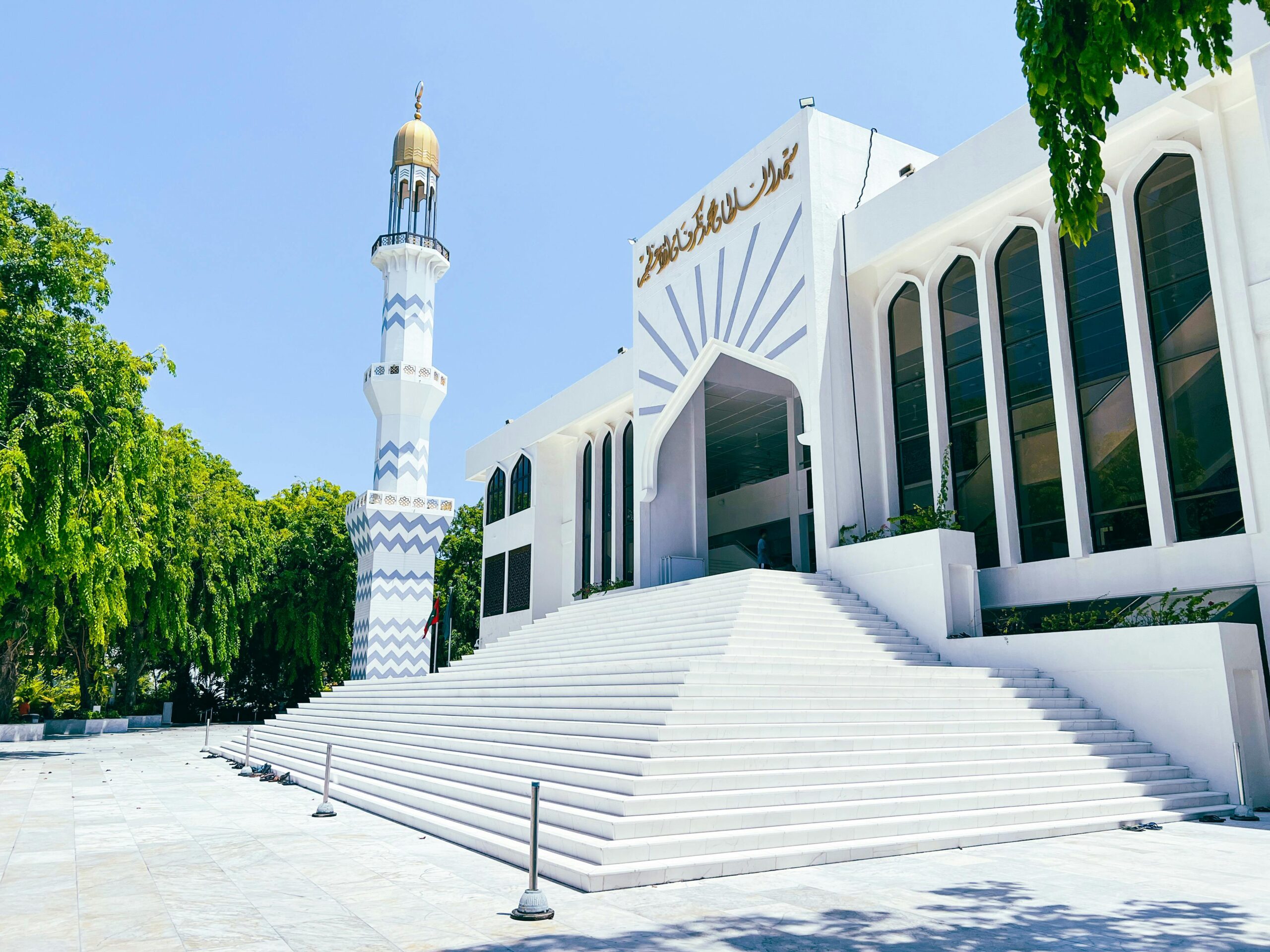
The country was influenced by Buddhist culture in ancient times, before converting to Islam in the 12th century. Today, the Maldives is a Muslim-majority nation, and its traditions, architecture, and daily life reflect strong Islamic influences.
While most visitors focus on beach resorts, the capital Malé offers a glimpse into local culture. Here you will find mosques, busy markets, and narrow streets filled with everyday island life. Landmarks such as the Old Friday Mosque and the Maldives National Museum provide insight into the nation’s heritage.
Iconic Landmarks and Places to Visit
Although the Maldives is known primarily for its resorts, there are several notable places worth exploring:
Malé – The capital city, full of markets, mosques, and local culture
Maafushi – One of the most popular local islands for budget travelers
Vaadhoo Island – Famous for the glowing “Sea of Stars” phenomenon
Ari Atoll – A top destination for diving and whale shark encounters
Baa Atoll – A UNESCO Biosphere Reserve known for manta rays
These locations offer a mix of natural beauty, marine life, and authentic island experiences.
Food and Traditional Cuisine
Maldivian cuisine is heavily influenced by the ocean and nearby cultures, particularly Indian and Sri Lankan flavors. Coconut, rice, and fresh seafood are the foundation of most traditional dishes.
Popular foods to try include:
Mas Huni – A traditional breakfast made of tuna, coconut, onion, and chili
Garudhiya – A clear fish soup served with rice, lime, and chili
Fihunu Mas – Grilled fish marinated in spices
Bis Keemiya – Pastry filled with tuna, egg, and vegetables
Rihaakuru – A thick fish-based paste used as a condiment
Meals are often simple, fresh, and rich in flavor, reflecting the island lifestyle.

Best Time to Visit and Weather
The Maldives has a tropical climate, with warm temperatures year-round, usually between 26°C and 31°C.
There are two main seasons:
Dry Season (November–April)
- Best time to visit
- Sunny skies and calm seas
- Ideal for snorkeling, diving, and beach photography
Wet Season (May–October)
- Higher chance of rain and storms
- Fewer tourists and lower prices
- Good surfing conditions
The dry season is generally considered the best period for travel, especially for first-time visitors.
Nightlife and Entertainment
Nightlife in the Maldives is calm, intimate, and centered around nature rather than clubs or big parties. Most evening activities take place within resort islands.
Typical nighttime experiences include:
- Sunset cocktails by the beach
- Private dinners under the stars
- Live acoustic music at resort bars
- Night snorkeling excursions
- Stargazing on quiet beaches
The atmosphere is relaxed, romantic, and perfect for slow, cinematic travel moments.
Outdoor Activities and Scenic Experiences
The Maldives is one of the best places in the world for ocean-based activities.
Popular experiences include:
- Snorkeling over coral reefs
- Scuba diving with manta rays and whale sharks
- Sunset dolphin cruises
- Sandbank picnics in the middle of the ocean
- Kayaking and paddleboarding in calm lagoons
- Seaplane flights over the atolls
The underwater world is the true highlight, with vibrant coral reefs and abundant marine life.
Beaches and Coastal Landscapes
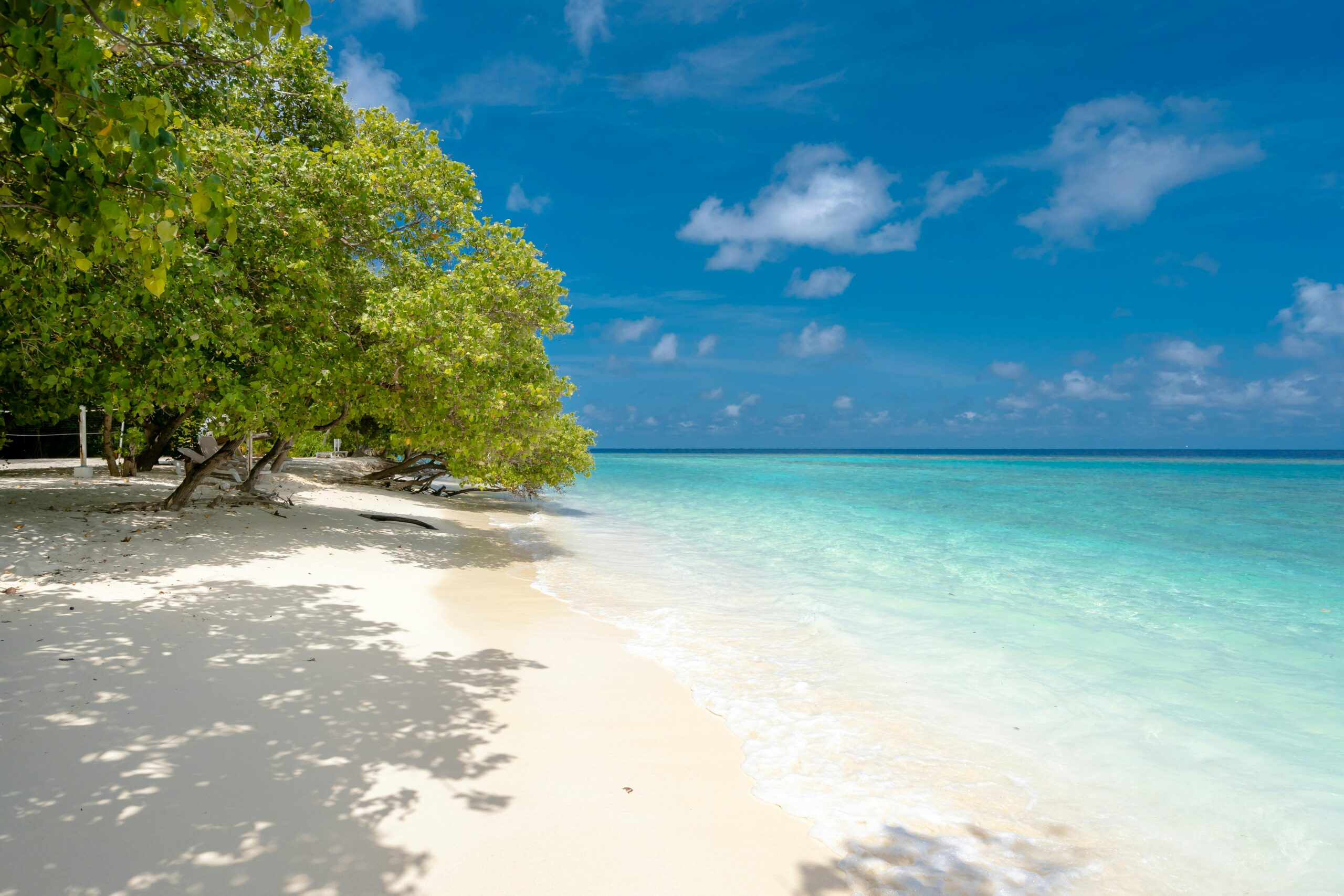
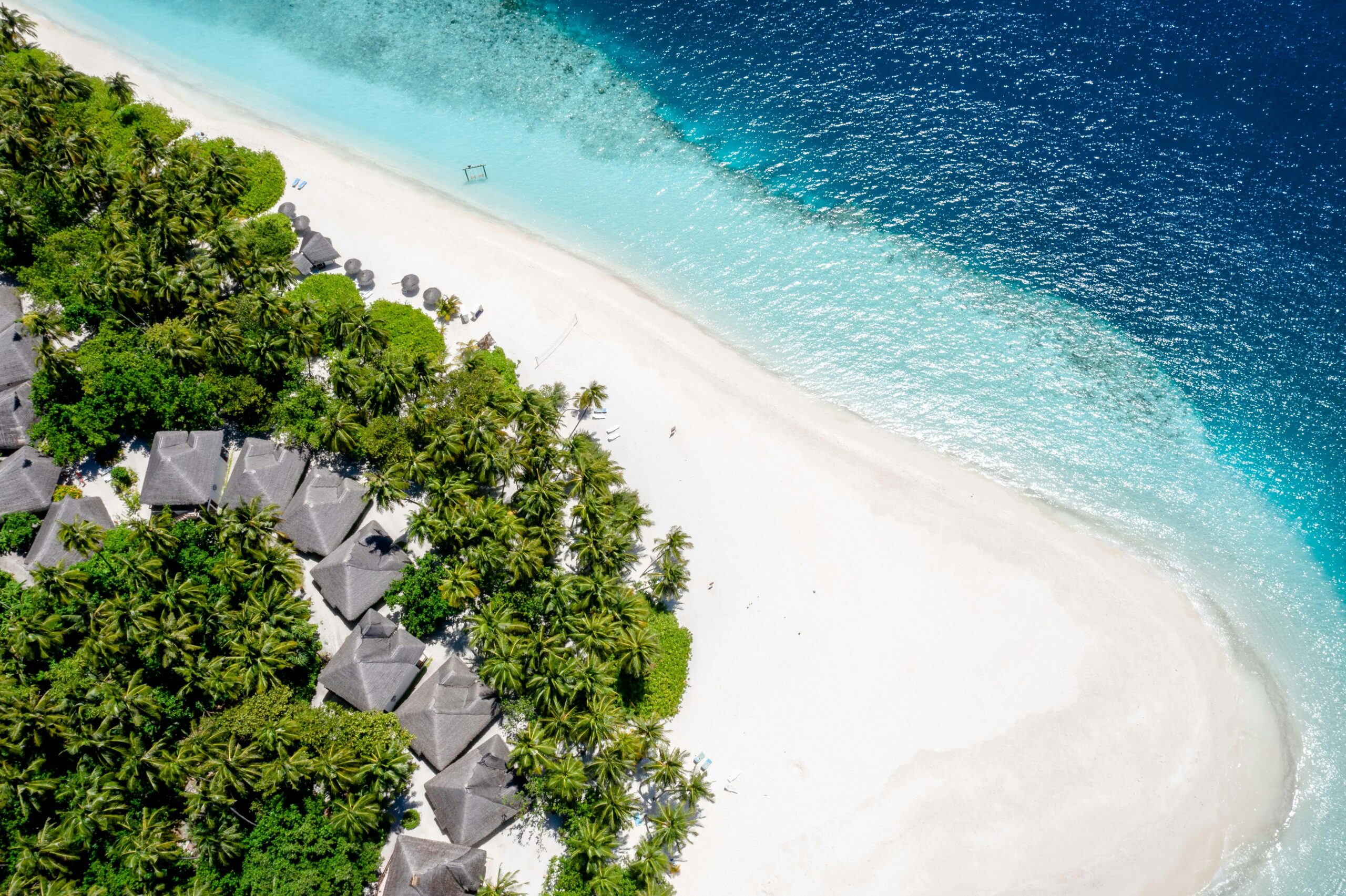
The Maldives is famous for its postcard-perfect beaches. Soft white sand, shallow turquoise lagoons, and swaying palm trees define the landscape across the islands.
Each island has its own atmosphere:
Private resort islands – Exclusive, quiet, and ultra-luxurious
Local islands – Authentic, lively, and budget-friendly
Uninhabited sandbanks – Remote, pristine, and ideal for photography
The clarity of the water and the soft gradient of blues and greens make the Maldives one of the most photogenic beach destinations on Earth.
Why the Maldives Is Unique
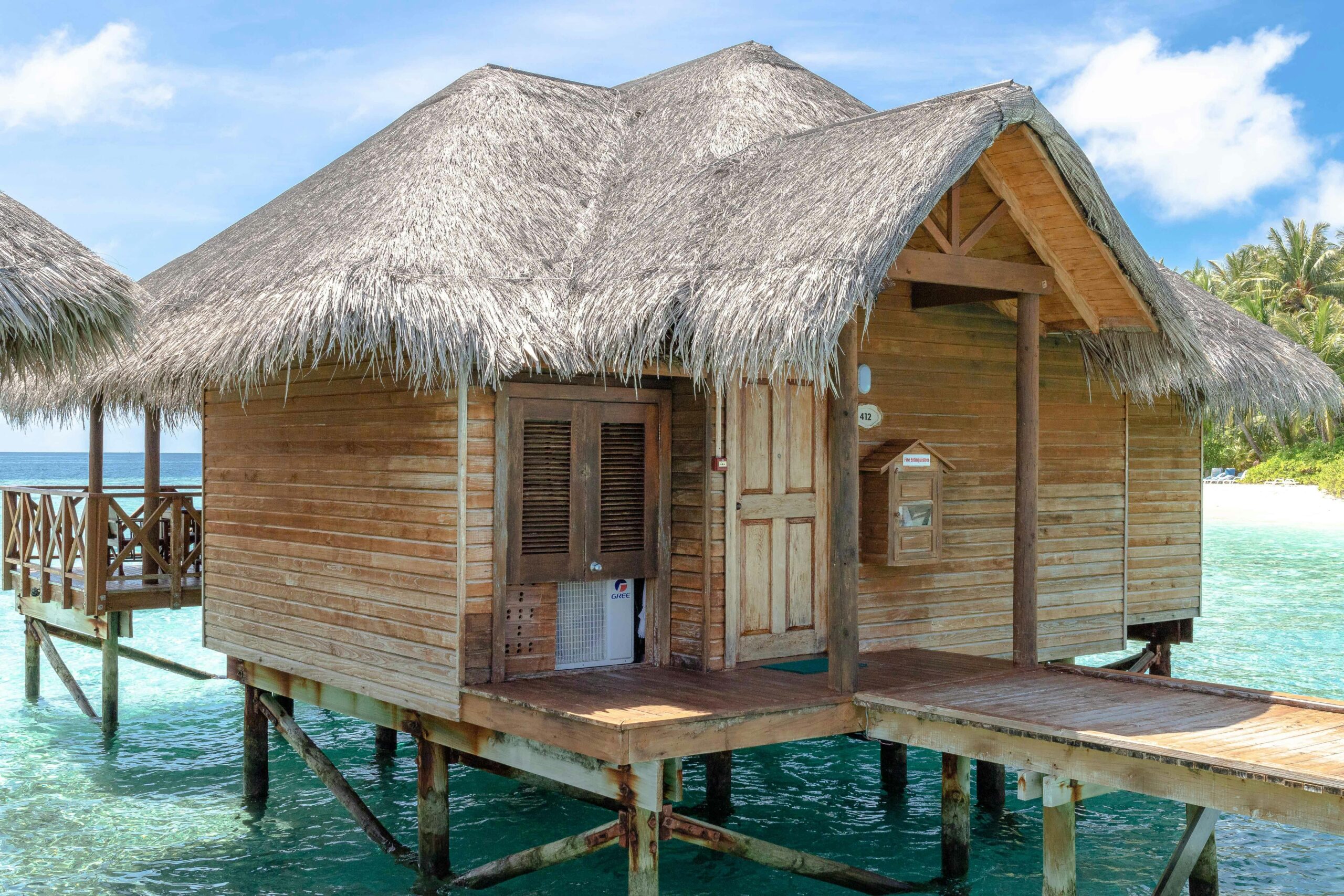
The Maldives stands out for its rare combination of luxury, natural beauty, and ocean life. Few destinations offer the same level of privacy, overwater accommodation, and underwater experiences in such a compact area.
Whether you are looking for a romantic honeymoon, a peaceful escape, or unforgettable marine adventures, the Maldives offers a setting that feels both exclusive and timeless.
Conclusion
The Maldives is more than a luxury destination—it is a world of turquoise lagoons, coral reefs, and island cultures scattered across the Indian Ocean. From the bustling streets of Malé to remote sandbanks and overwater villas, every part of the Maldives offers a different perspective on tropical life.
With its crystal-clear waters, rich marine ecosystems, and dreamlike scenery, the Maldives remains one of the most inspiring destinations on the planet.
To plan your trip with confidence, including costs, safety, and the best travel seasons, explore our complete Maldives travel guide.
Not sure if the Maldives is the right choice? Compare it with another tropical destination in our guide: Zanzibar vs Maldives