
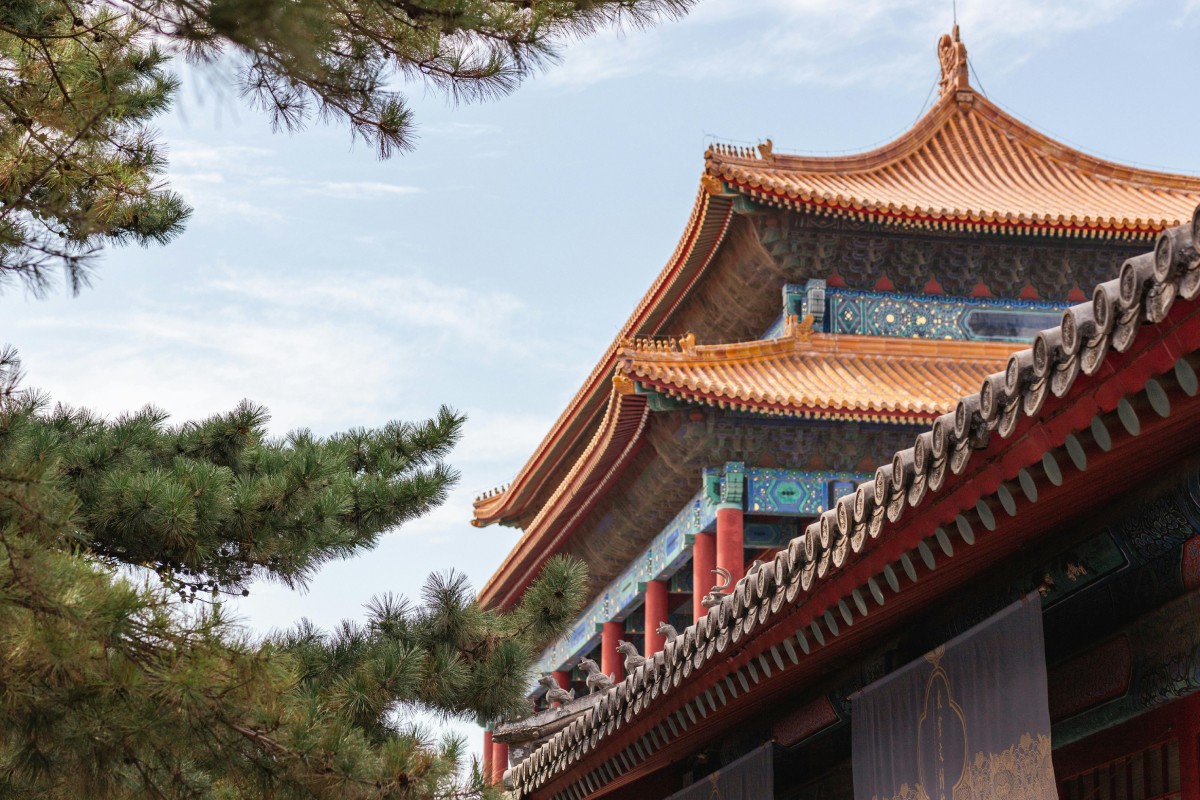
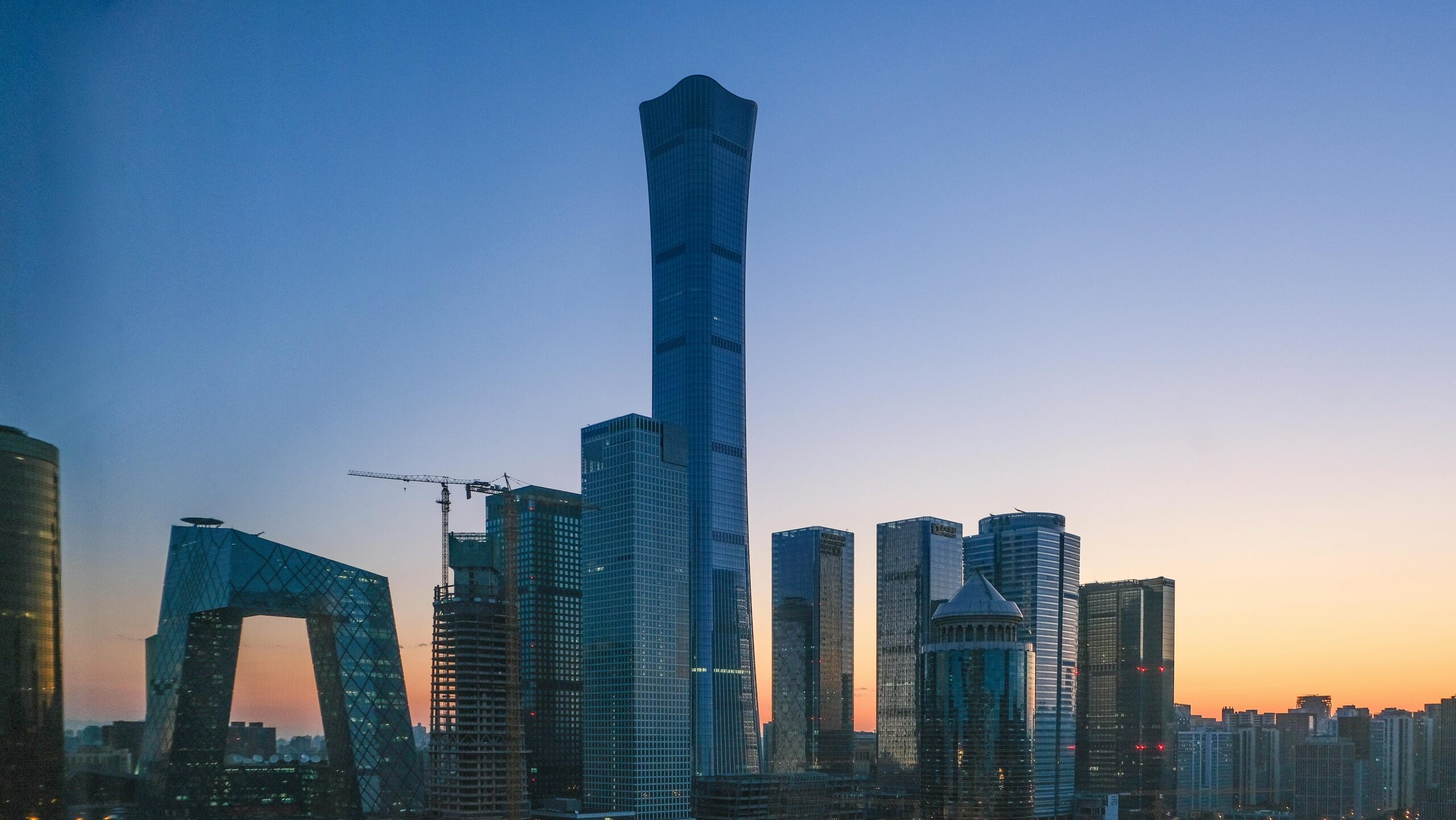
Beijing, the capital of China, is a city where thousands of years of history coexist with rapid modern development. As one of the world’s oldest continuously inhabited cities, Beijing offers an extraordinary journey through imperial dynasties, ancient traditions, and contemporary urban life. From grand palaces and historic temples to futuristic skyscrapers and vibrant neighborhoods, Beijing stands as the political, cultural, and historical heart of China.
Walking through Beijing feels like traveling through time. The city’s ancient walls, hutong alleyways, and monumental landmarks reflect its imperial past, while modern districts showcase China’s ambition and innovation. Few cities in the world offer such a powerful contrast between tradition and modernity.
Location, Area, and Population
Beijing is located in northern China, near the edge of the North China Plain, and is surrounded by Hebei Province. Although not a coastal city, Beijing’s strategic inland position made it the political center of China for centuries. The city covers an area of approximately 16,410 square kilometers, making it one of the largest capital cities in the world by land area.
Beijing has a population of over 21 million residents, making it one of the most populous cities globally (Wikipedia). The city is divided into multiple districts, including Dongcheng, Xicheng, Chaoyang, Haidian, and Fengtai, each offering a different perspective on Beijing’s character—from historic cores to modern business hubs.
Despite its size and population, Beijing is highly organized, with extensive public transportation, including one of the largest subway systems in the world.
History and Cultural Heritage
Beijing’s history spans more than 3,000 years, serving as the capital for several major Chinese dynasties, including the Yuan, Ming, and Qing dynasties. For centuries, it was the center of imperial power, governance, and culture in China.
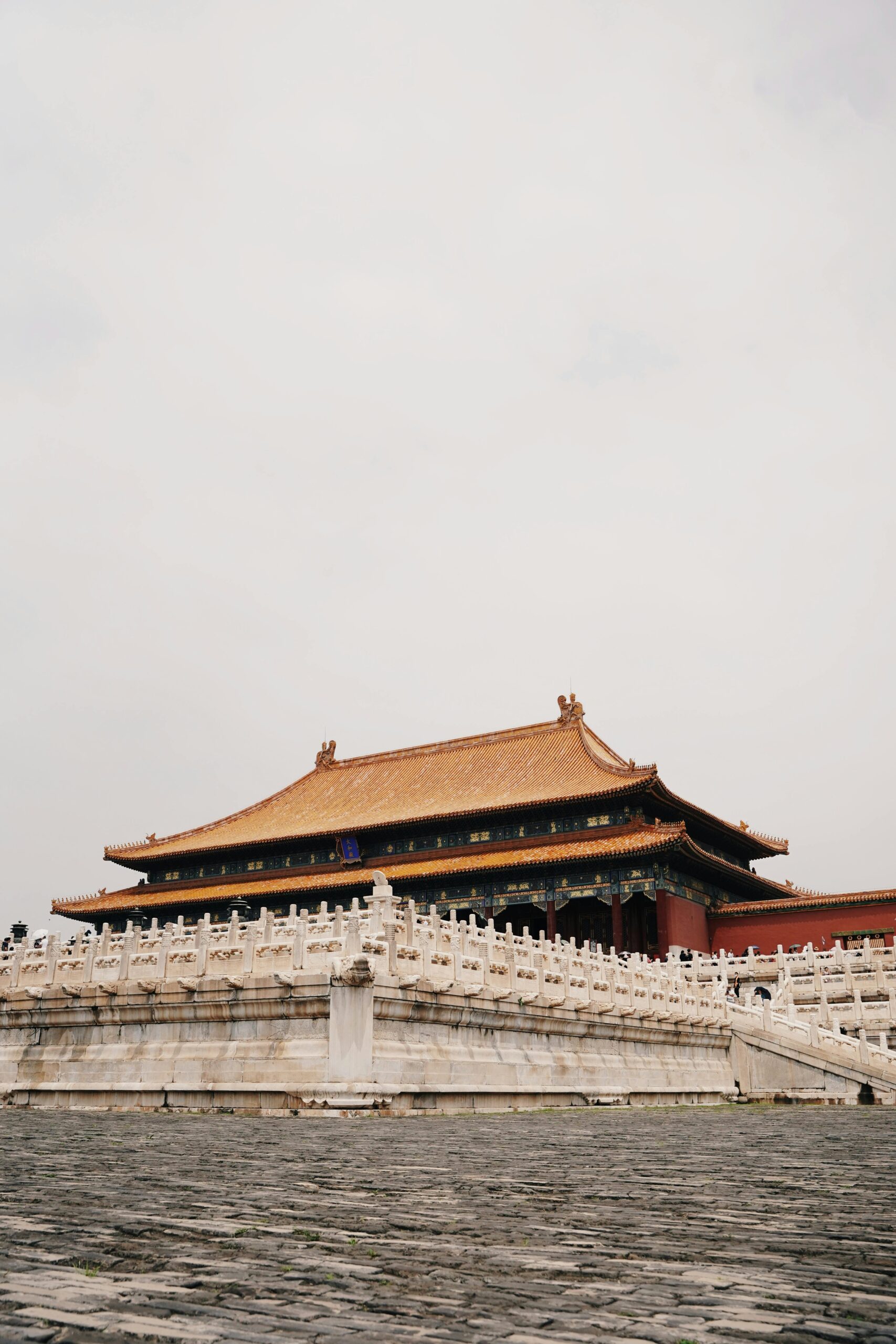
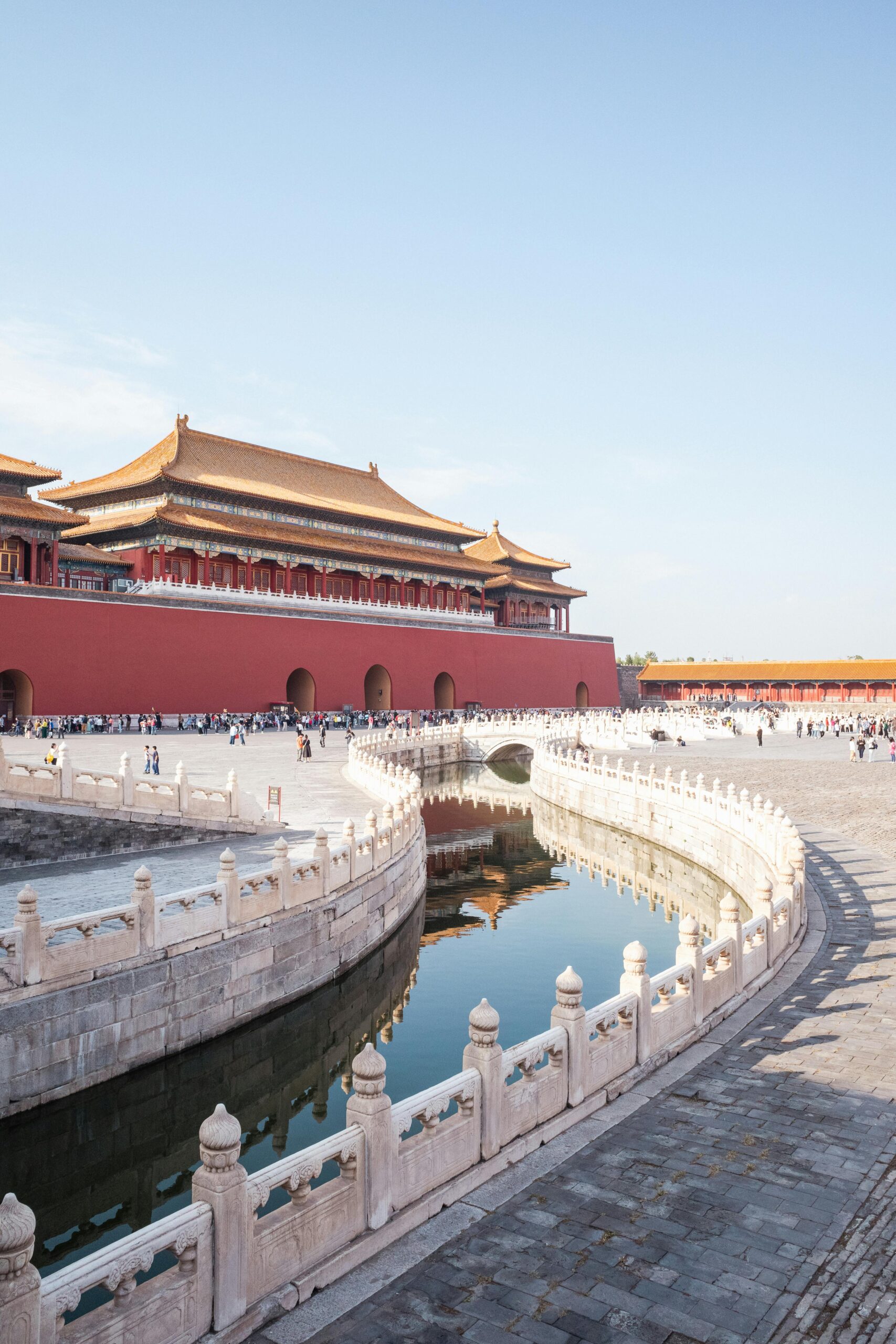
At the heart of Beijing’s historical identity lies the Forbidden City, the largest and best-preserved imperial palace complex in the world. For nearly 500 years, it was home to Chinese emperors and the political center of the empire. Surrounding it are ceremonial temples such as the Temple of Heaven, where emperors once prayed for good harvests.
Beijing’s hutongs—traditional narrow alleyways—offer insight into everyday life during imperial times. Neighborhoods like Nanluoguxiang preserve this atmosphere, allowing visitors to experience Beijing’s living history.
Cultural institutions such as the National Museum of China, Capital Museum, and Beijing Opera theaters ensure that traditional arts, philosophy, and history remain deeply woven into modern life.
Iconic Landmarks and Places to Visit
Beijing is home to some of the most iconic landmarks on Earth:
- The Forbidden City – A UNESCO World Heritage Site and former imperial palace
- Tiananmen Square – One of the largest public squares in the world
- Temple of Heaven – A masterpiece of Ming Dynasty architecture
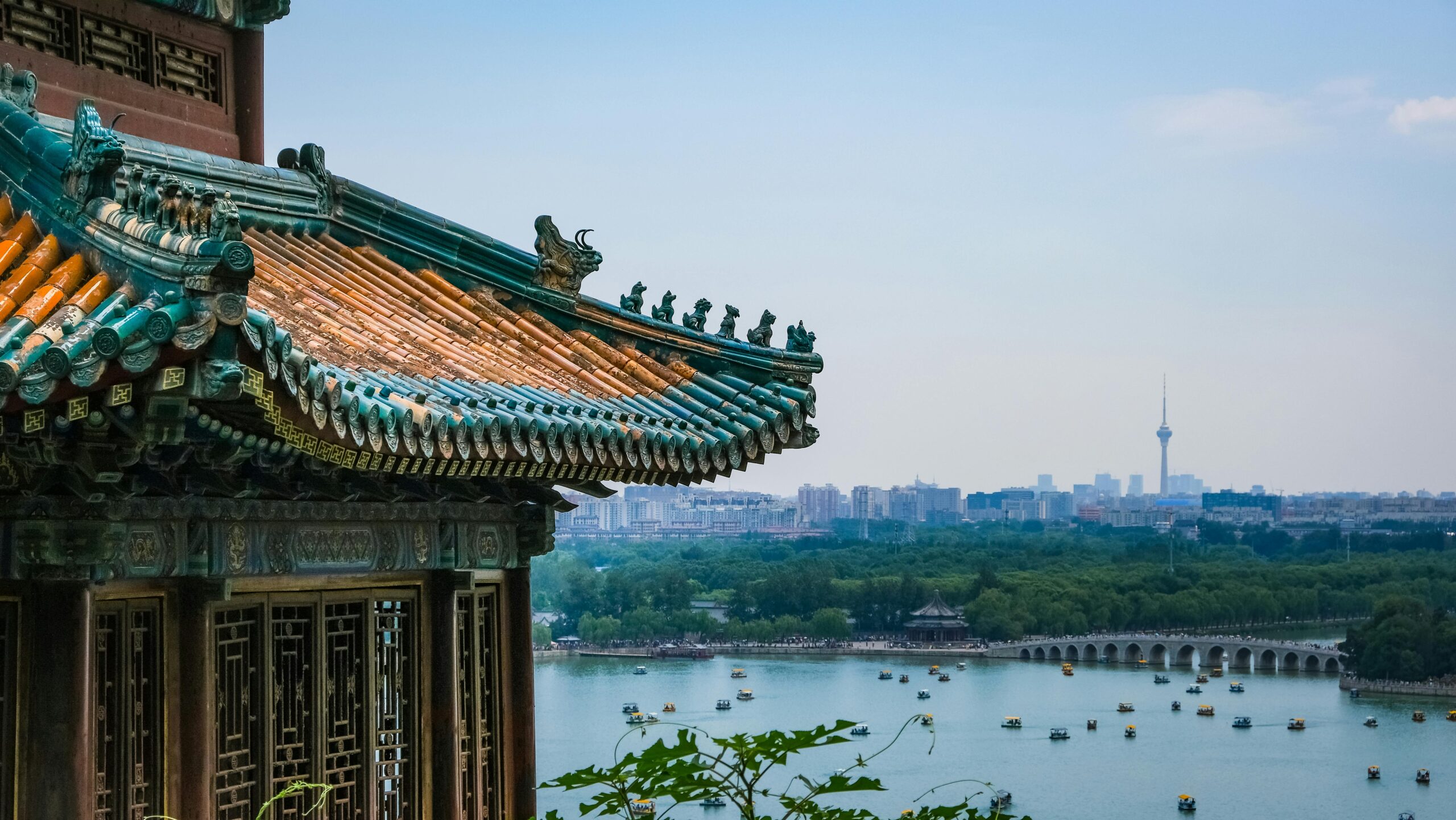
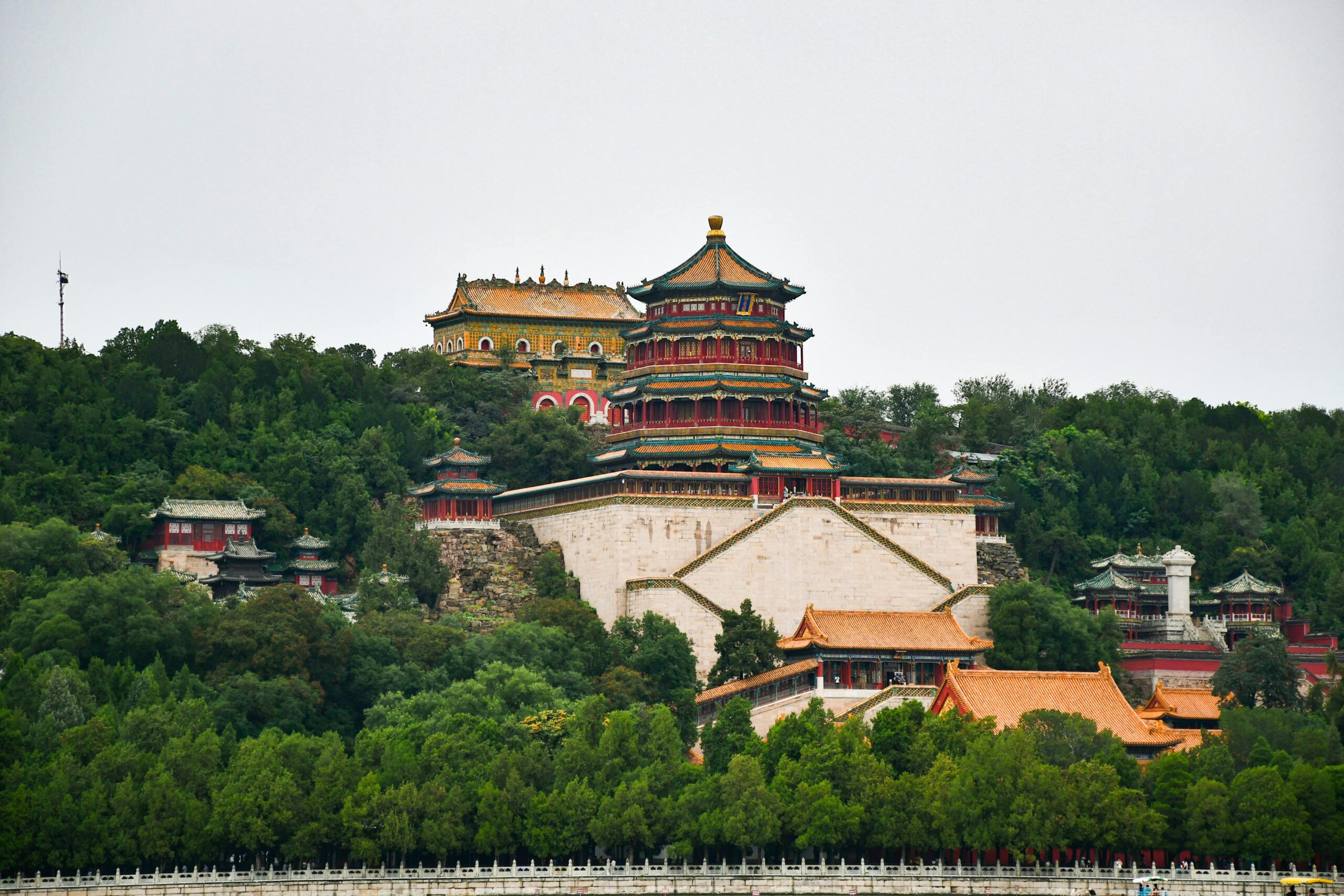
- Summer Palace – Imperial gardens, lakes, and pavilions
- Great Wall of China (Badaling, Mutianyu) – One of the Seven Wonders of the World
- Lama Temple (Yonghe Temple) – Important Tibetan Buddhist temple
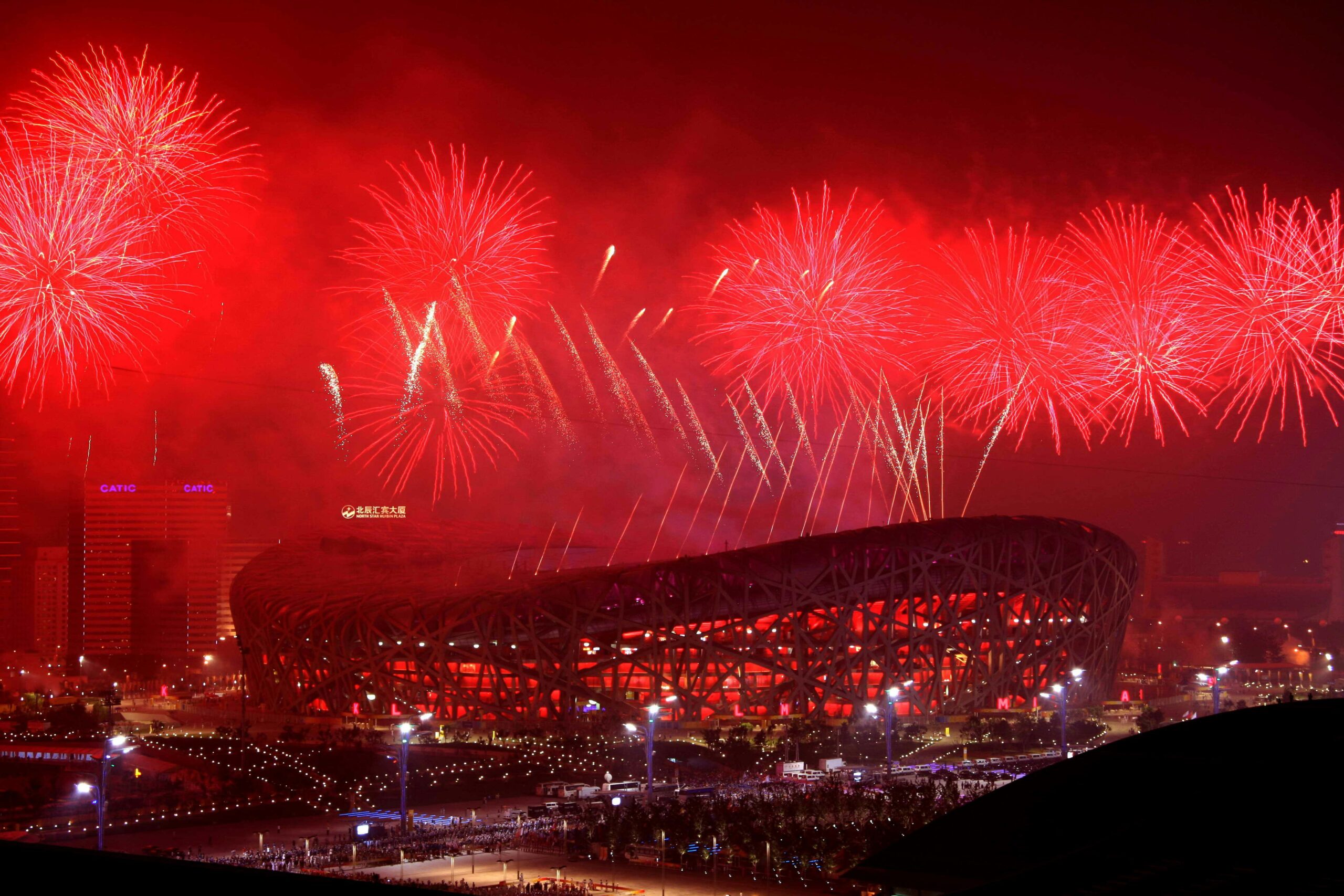
- Beijing National Stadium (Bird’s Nest) – Symbol of modern Beijing and the Olympic Games
- 798 Art District – Contemporary art, galleries, and creative spaces
Each landmark reveals a different layer of Beijing’s identity, from ancient imperial authority to modern cultural expression.
Food and Traditional Cuisine
Beijing’s cuisine reflects northern Chinese flavors, known for hearty dishes, wheat-based foods, and bold seasoning. The city is also a culinary melting pot, offering food from every region of China.
Famous dishes include:
- Peking Duck – Beijing’s most iconic dish, with crispy skin and thin pancakes
- Zhajiangmian – Noodles with savory soybean paste sauce
- Jianbing – Popular street food crepe, often eaten for breakfast
- Hot pot – Especially popular during colder months
- Baozi and jiaozi – Steamed buns and dumplings
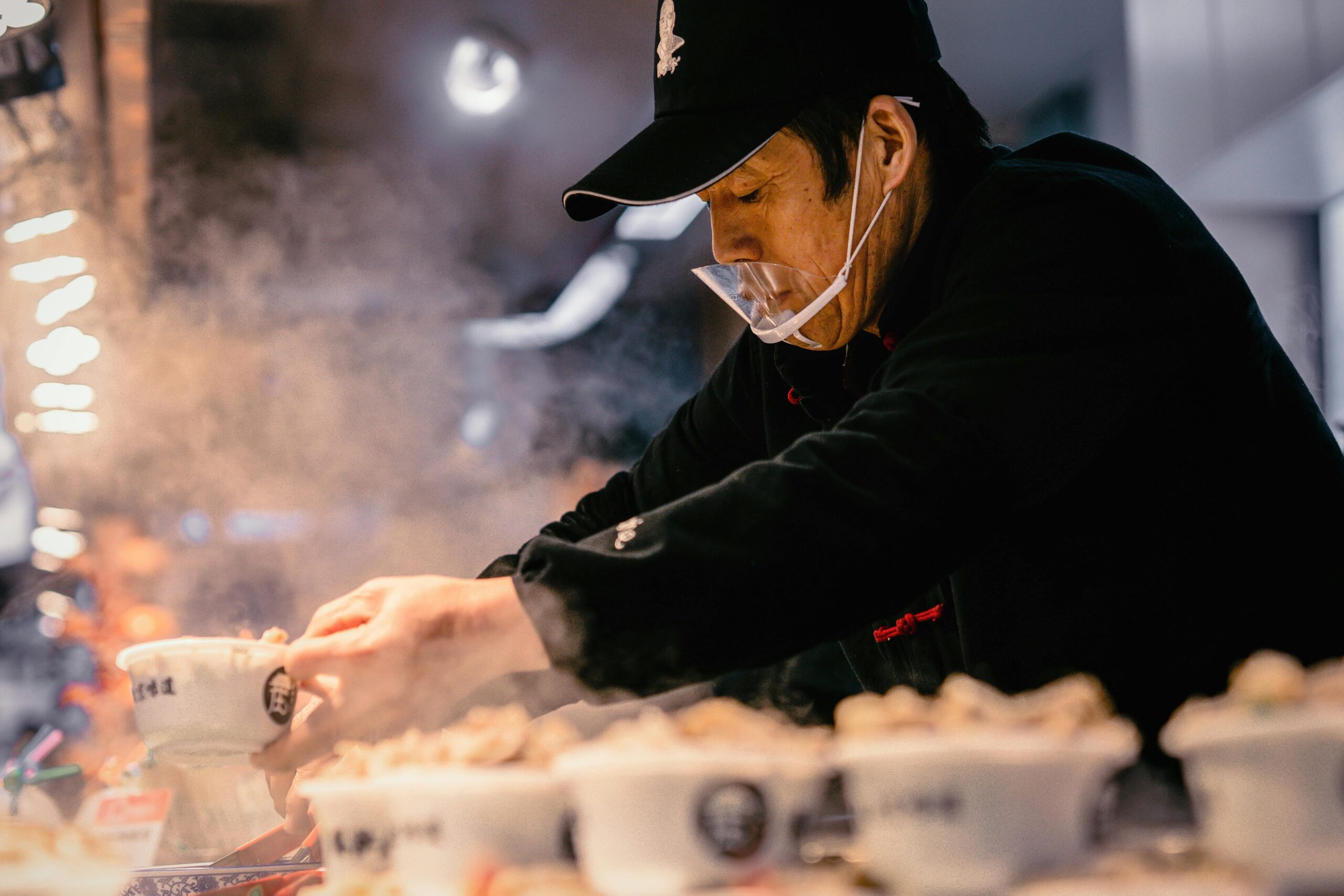
From street food stalls to luxury restaurants, Beijing’s food culture is deeply tied to its history and social traditions. Dining is not just about eating—it is a shared cultural experience.
Best Time to Visit and Weather
Beijing has a continental climate with four distinct seasons:
- Spring (March–May): Mild temperatures and blooming parks, though occasional dust storms may occur
- Summer (June–August): Hot and humid, with frequent rain; peak tourist season
- Autumn (September–October): Cool, dry weather and clear skies—considered the best time to visit
- Winter (November–February): Cold and dry, with fewer tourists and occasional snow
Autumn is widely regarded as the ideal season to explore Beijing, offering pleasant weather and excellent visibility for sightseeing, especially at the Great Wall.
Nightlife and Entertainment
Beijing’s nightlife combines modern entertainment with traditional performances. Areas such as Sanlitun and Wangfujing offer bars, clubs, rooftop lounges, and late-night dining.
For cultural experiences, visitors can attend:
- Beijing Opera performances
- Traditional acrobatic shows
- Classical music and theater productions
This mix of ancient and modern entertainment reflects Beijing’s unique cultural balance.
Outdoor Activities and Scenic Spots
Despite its urban scale, Beijing offers numerous outdoor activities:
- Walk or cycle through hutong neighborhoods
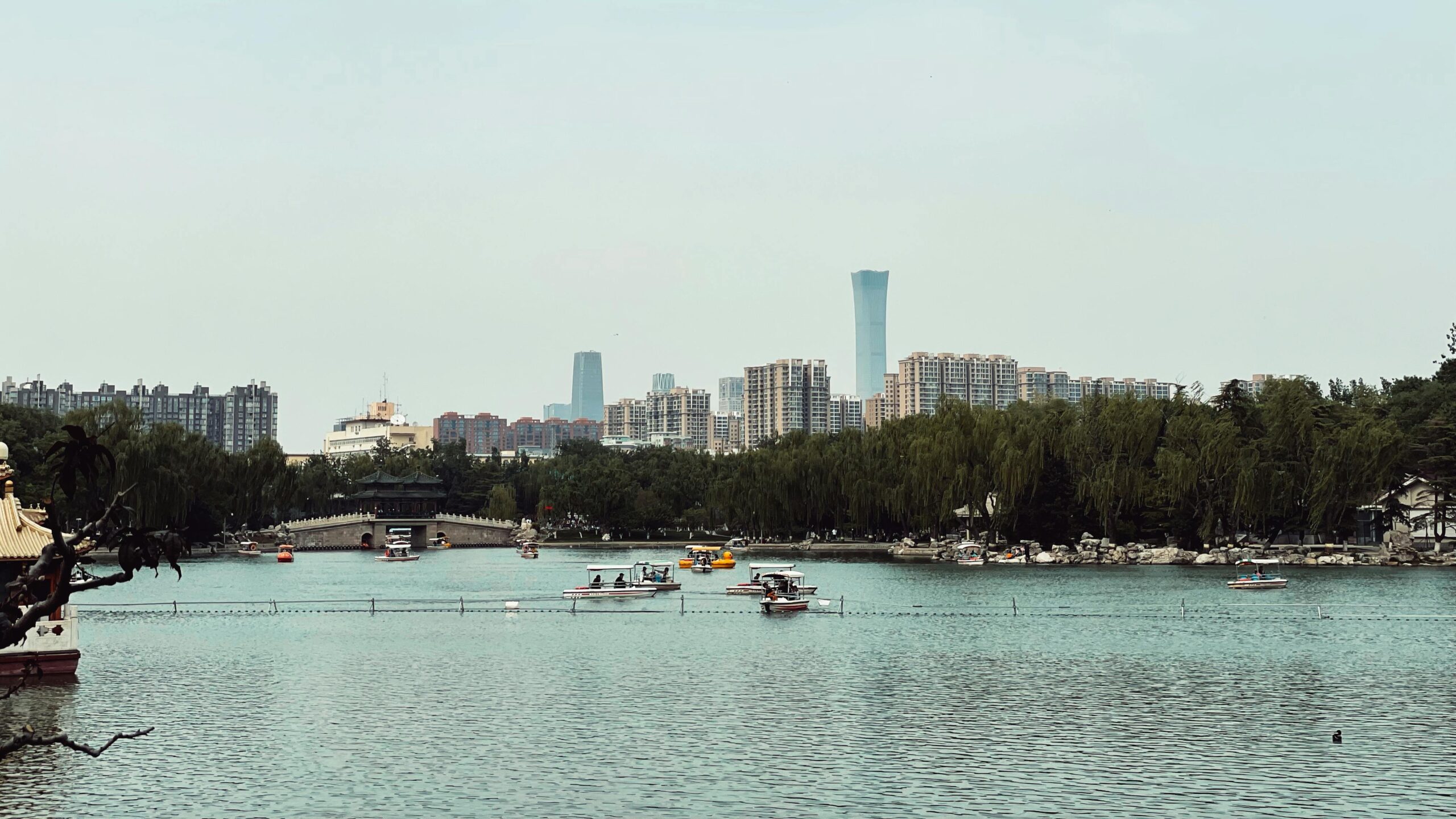
- Relax in Beihai Park or Jingshan Park
- Hike scenic sections of the Great Wall
- Visit imperial gardens at the Summer Palace
- Explore nearby mountains and nature reserves
Beijing’s parks and historic landscapes provide peaceful escapes from the city’s fast pace.
Why Beijing Is Unique
Beijing is unique because it represents the soul of Chinese civilization. Few cities in the world have served as a political and cultural capital for so long. The coexistence of imperial monuments, socialist-era architecture, and futuristic development creates a city unlike any other.
Its scale, history, traditions, and influence make Beijing not just a destination, but a cultural cornerstone of humanity.
Conclusion
Beijing is more than a city—it is a living chronicle of China’s past, present, and future. From walking through the Forbidden City to standing atop the Great Wall, from tasting Peking duck to exploring modern art districts, Beijing offers an unforgettable journey through one of the world’s most influential civilizations. Every visit reveals new layers of history, culture, and modern life, making Beijing a destination that leaves a lasting impression.