
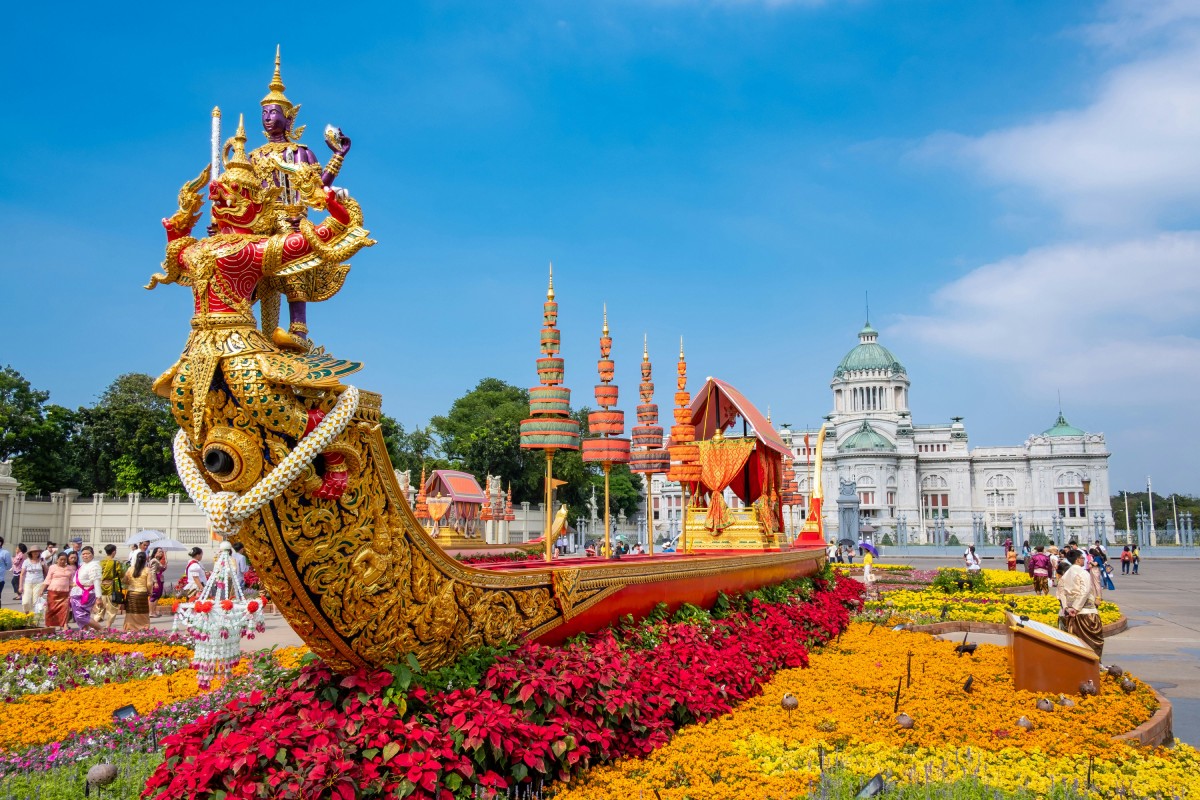
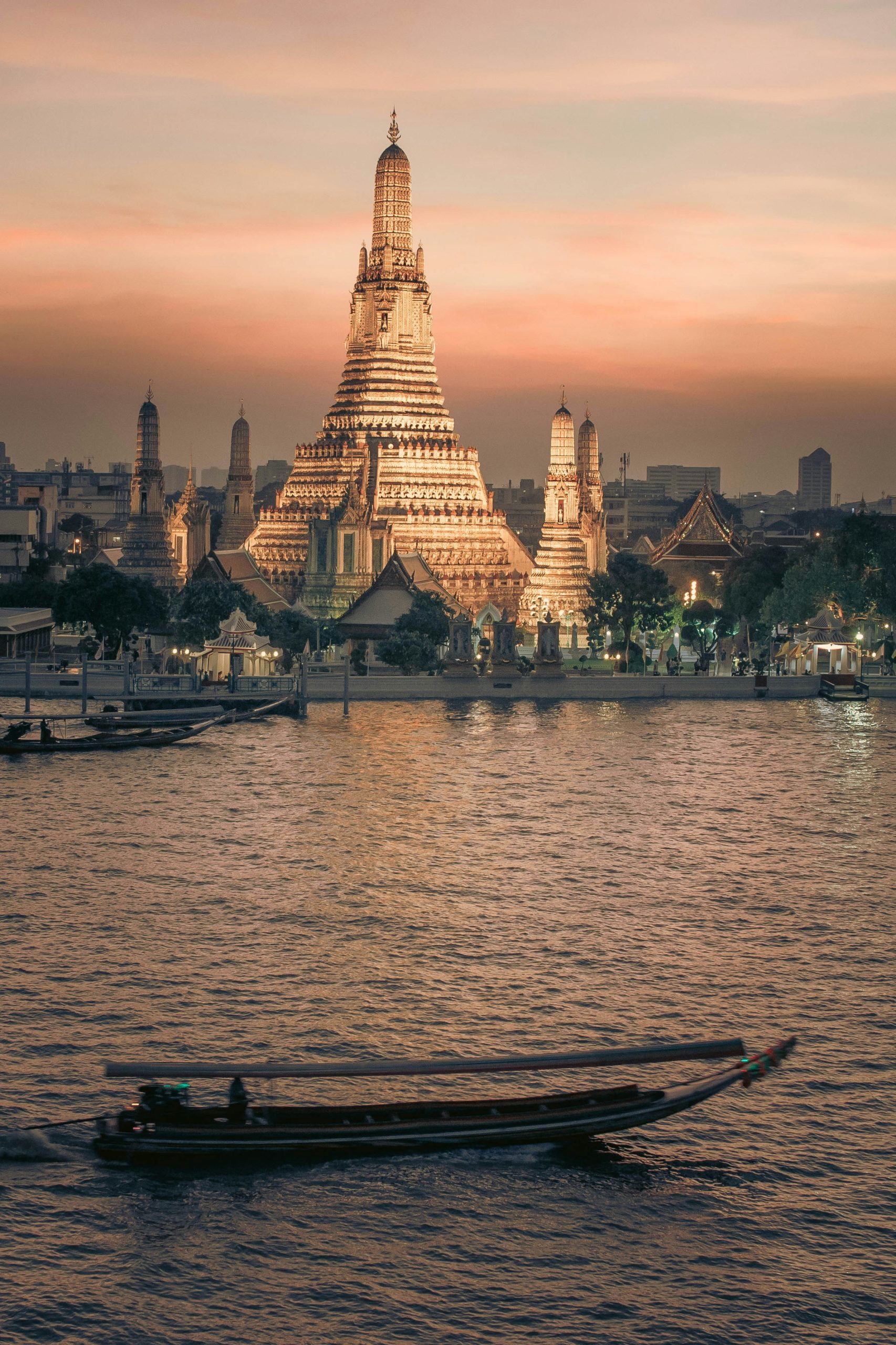
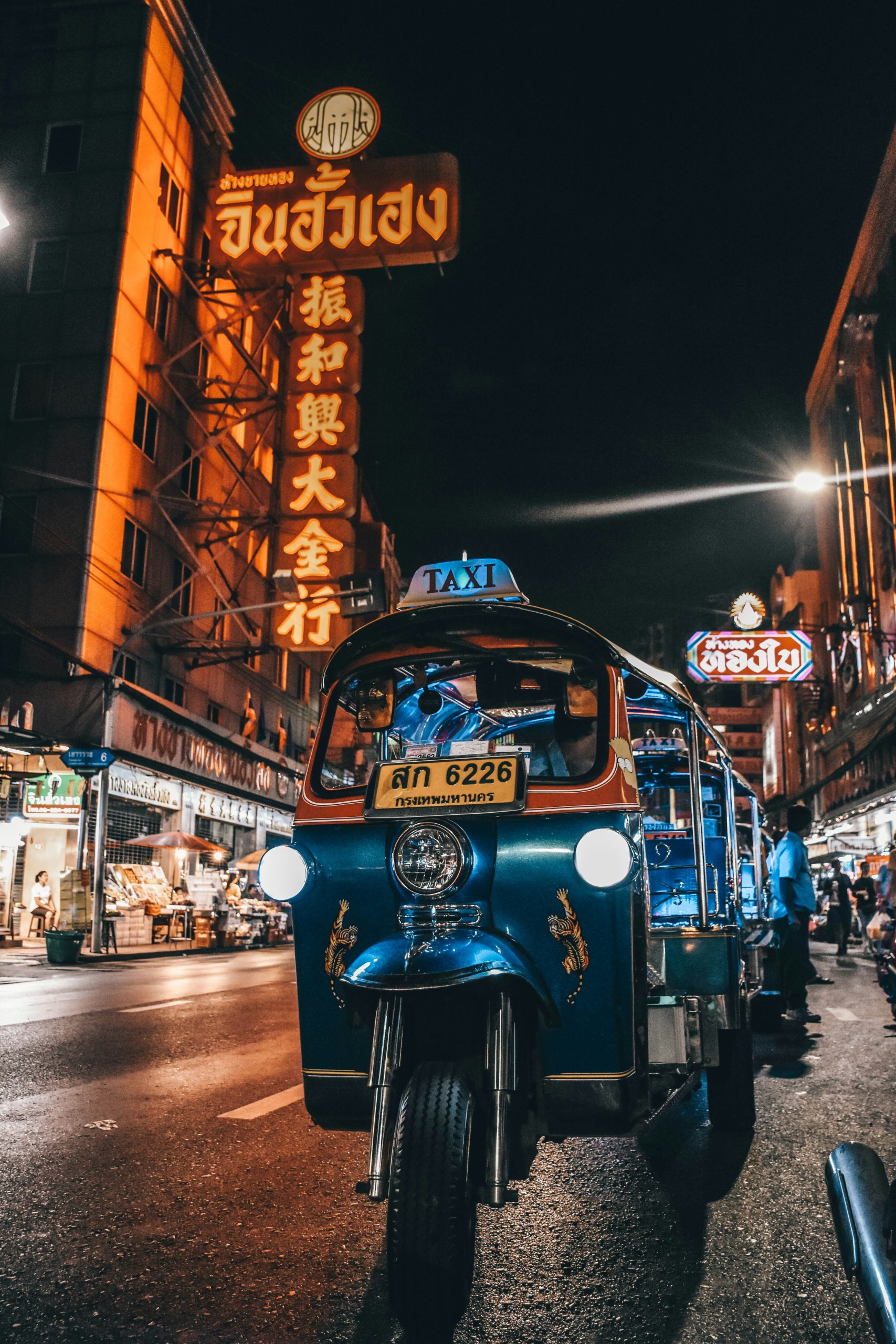
Bangkok, the capital of Thailand, is a city of contrasts, energy, and endless discovery. Known locally as Krung Thep Maha Nakhon, Bangkok blends ancient temples and royal palaces with modern skyscrapers, bustling markets, and a world-famous street food scene. From golden spires rising above the Chao Phraya River to neon-lit streets alive with nightlife, Bangkok is one of Asia’s most dynamic and unforgettable cities.
Whether exploring sacred temples, cruising along canals, or navigating lively markets, visitors quickly realize that Bangkok is more than a destination—it is an experience that engages all the senses.
Location, Area, and Population
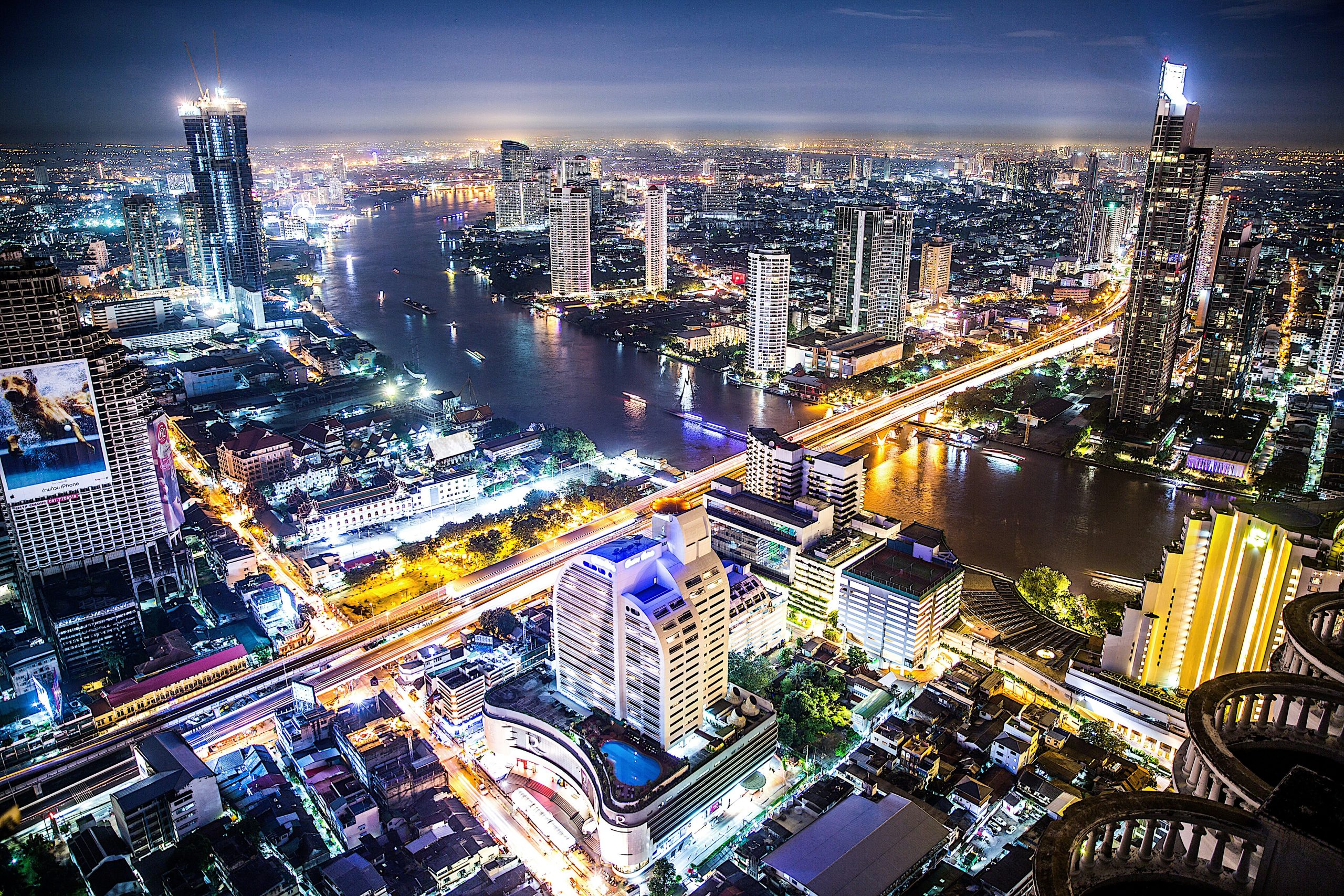
Bangkok is located in central Thailand, along the banks of the Chao Phraya River, which flows into the Gulf of Thailand. The city sits on a flat plain, originally shaped by canals, giving rise to its nickname “The Venice of the East.” Bangkok covers an area of approximately 1,569 square kilometers, making it one of Southeast Asia’s largest cities.
The city has a population of over 10.5 million residents, while the greater metropolitan area is home to more than 15 million people (Wikipedia). Bangkok is divided into 50 districts, each offering its own character—from historic royal areas to modern business and entertainment hubs.
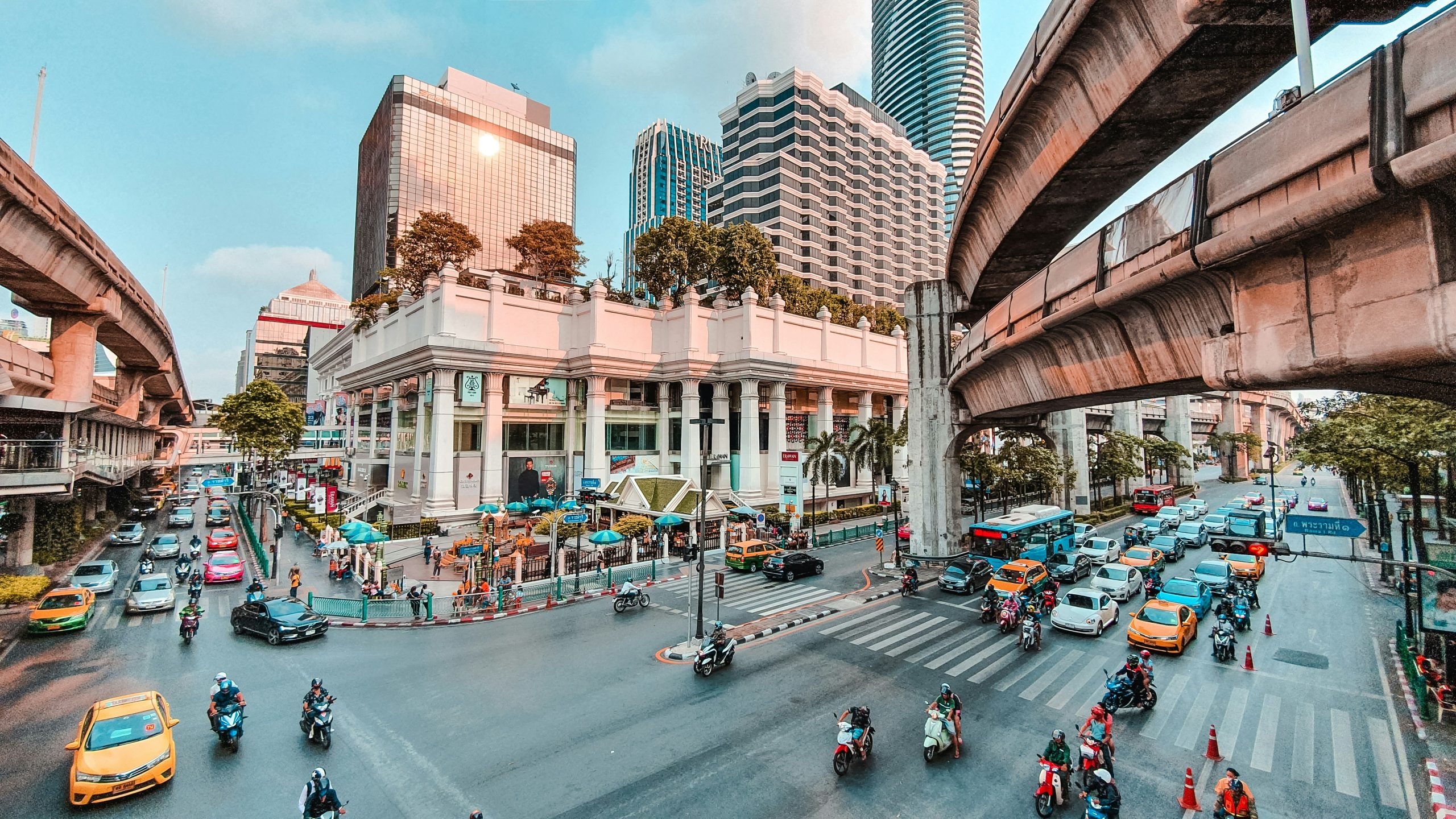
Despite its size and density, Bangkok continues to modernize its infrastructure, including an expanding skytrain (BTS) and metro (MRT) system.
History and Cultural Heritage
Bangkok’s rise as Thailand’s capital began in 1782, when King Rama I established the city as the seat of the Chakri Dynasty, which still reigns today. Over time, Bangkok grew from a riverside settlement into the political, cultural, and economic center of Thailand.
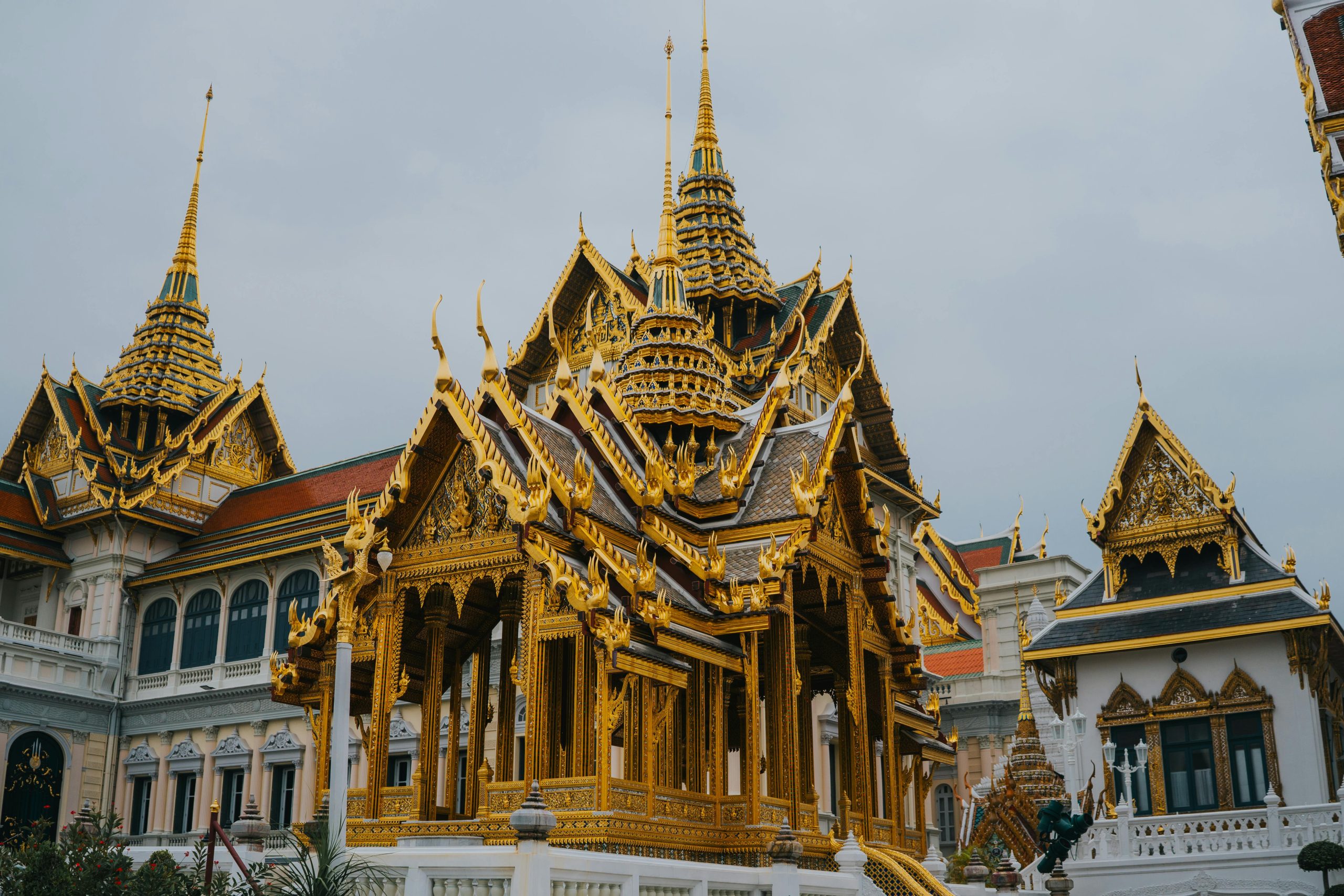
The city’s heritage is most visible in its royal temples, palaces, and historic districts. The Grand Palace, once home to Thai kings, remains one of the most important cultural landmarks in the country. Nearby, Wat Phra Kaew houses the revered Emerald Buddha, Thailand’s most sacred religious icon.
Traditional Thai culture is also preserved through classical dance, festivals, Buddhist ceremonies, and canal-side communities, offering insight into the country’s spiritual and social traditions.
Iconic Landmarks and Places to Visit
Bangkok is rich in iconic attractions that reflect its history and modern vibrancy:
- Grand Palace & Wat Phra Kaew – Thailand’s most important royal and religious complex
- Wat Pho – Famous for the massive Reclining Buddha and traditional Thai massage
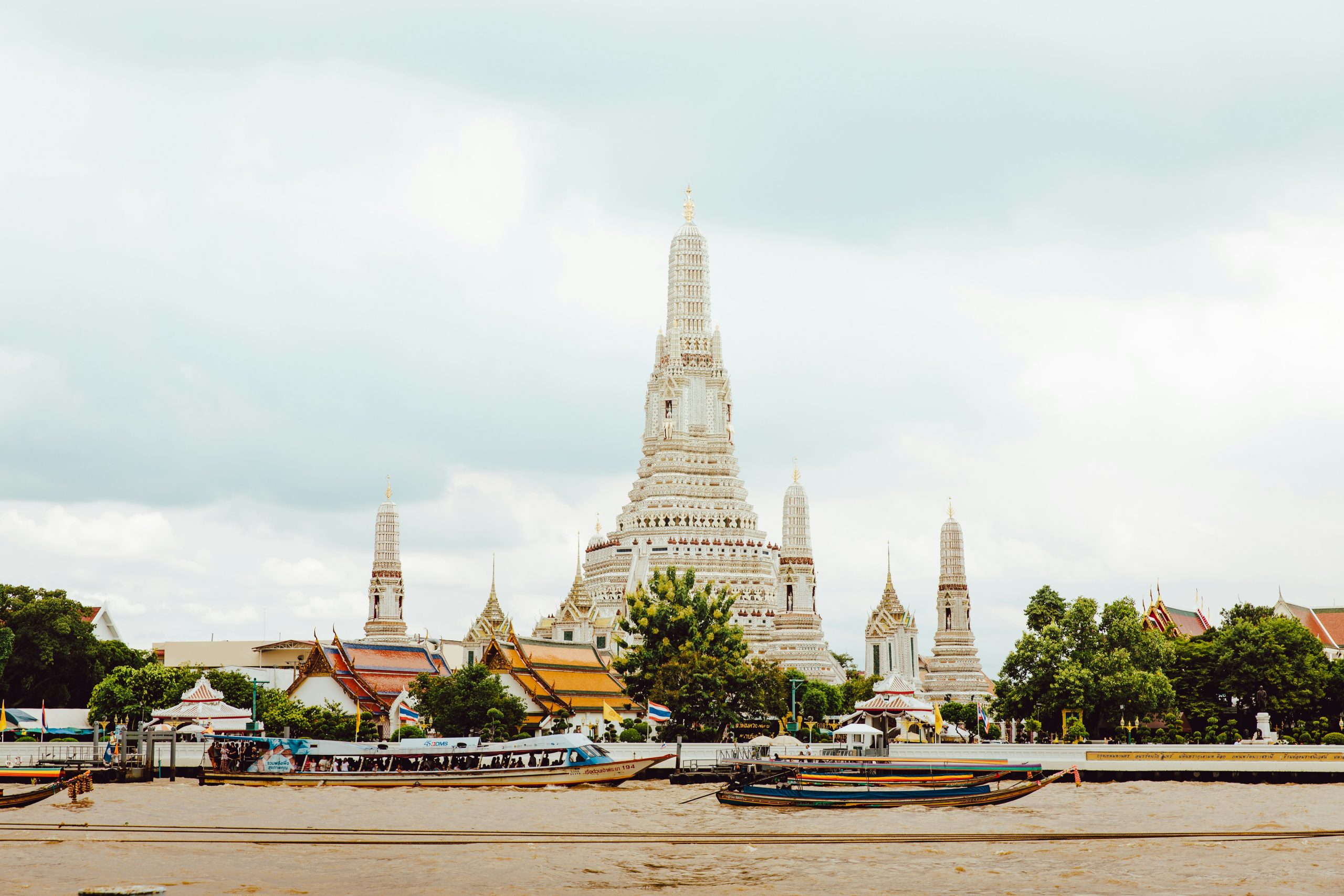
- Wat Arun – The Temple of Dawn, beautifully lit at sunset
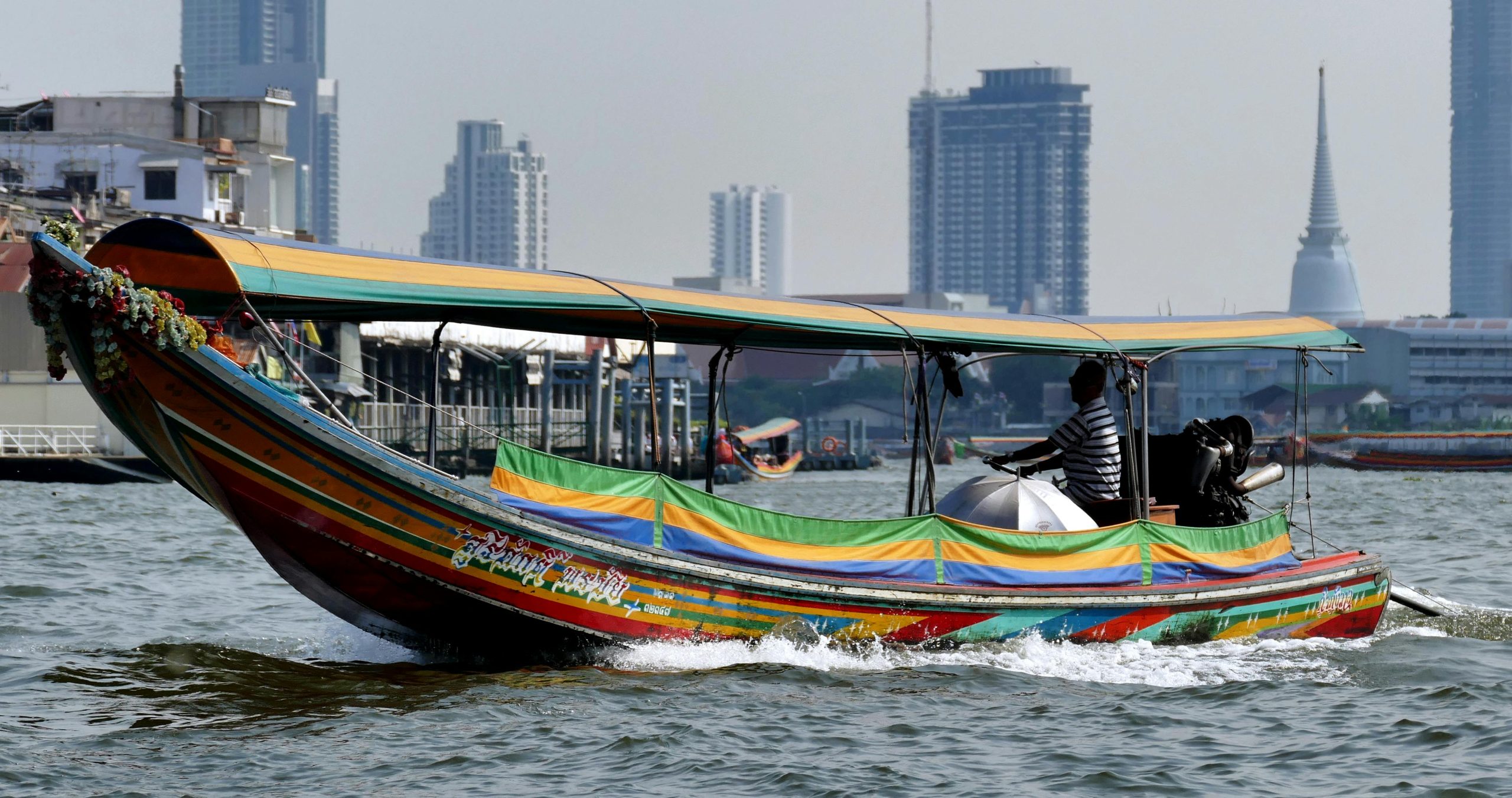
- Chao Phraya River – Lifeline of the city, ideal for boat tours
- Khao San Road – Backpacker hub with nightlife and street food
- Chatuchak Weekend Market – One of the largest markets in the world
- Jim Thompson House – Traditional Thai architecture and art
- IconSiam – Modern riverside shopping and cultural complex
Each site reveals a different aspect of Bangkok, from royal elegance to urban creativity.
Food and Traditional Cuisine
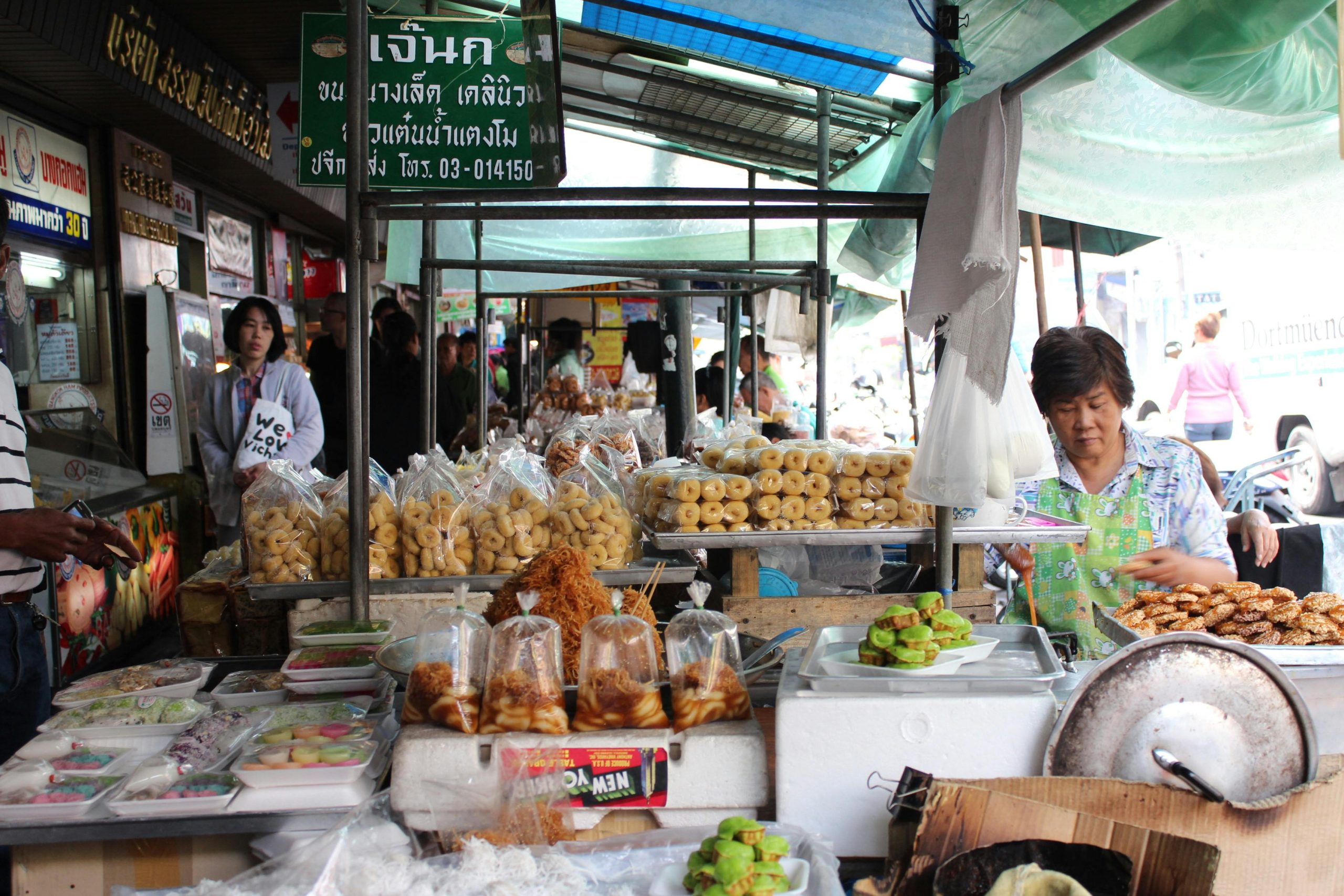
Bangkok is globally recognized as a street food capital, offering some of the most flavorful and affordable dishes in the world. Thai cuisine is known for its balance of sweet, sour, salty, and spicy flavors.
Must-try dishes include:
- Pad Thai – Stir-fried noodles with shrimp, tofu, and peanuts
- Tom Yum Goong – Spicy and sour shrimp soup
- Green curry (Gaeng Keow Wan) – Creamy coconut-based curry
- Som Tum – Spicy papaya salad
- Mango sticky rice – Classic Thai dessert
From street vendors to Michelin-starred restaurants, Bangkok’s food scene offers unforgettable culinary experiences.
Best Time to Visit and Weather
Bangkok has a tropical climate with three main seasons:
- Cool season (November–February): Best time to visit, with pleasant temperatures and lower humidity
- Hot season (March–May): High temperatures, ideal for indoor attractions and evening activities
- Rainy season (June–October): Short but intense rain showers, fewer tourists, lush scenery
The cool season is generally considered the most comfortable time to explore Bangkok.
Nightlife and Entertainment
Bangkok’s nightlife is legendary and incredibly diverse:
- Rooftop bars with panoramic city views
- Night markets with food, shopping, and live music
- Clubs and bars in Sukhumvit, Silom, and RCA
- Traditional performances such as Thai dance and Muay Thai boxing
Whether relaxing with a cocktail above the skyline or dancing until dawn, Bangkok offers nightlife for every taste.
Outdoor Activities and Scenic Spots
Despite its urban intensity, Bangkok offers plenty of outdoor experiences:
- Take a boat tour along the Chao Phraya River
- Explore canals (klongs) for a glimpse of traditional life
- Relax in Lumphini Park, the city’s green lung
- Visit floating markets such as Damnoen Saduak
- Take day trips to Ayutthaya, a UNESCO World Heritage Site
These experiences highlight Bangkok’s connection to water, history, and nature.
Why Bangkok Is Unique
Bangkok stands out for its energy, hospitality, and cultural richness. Few cities offer such a powerful mix of ancient spirituality, modern lifestyle, and vibrant street culture. Its welcoming atmosphere, affordability, and diversity make it one of the world’s most popular travel destinations.
Conclusion
Bangkok is more than a city—it is a living celebration of Thai culture and modern life. From sacred temples and royal palaces to bustling markets and rooftop bars, Bangkok delivers an experience that is intense, colorful, and unforgettable. Every visit reveals new layers of charm, making Bangkok a city travelers return to again and again.