

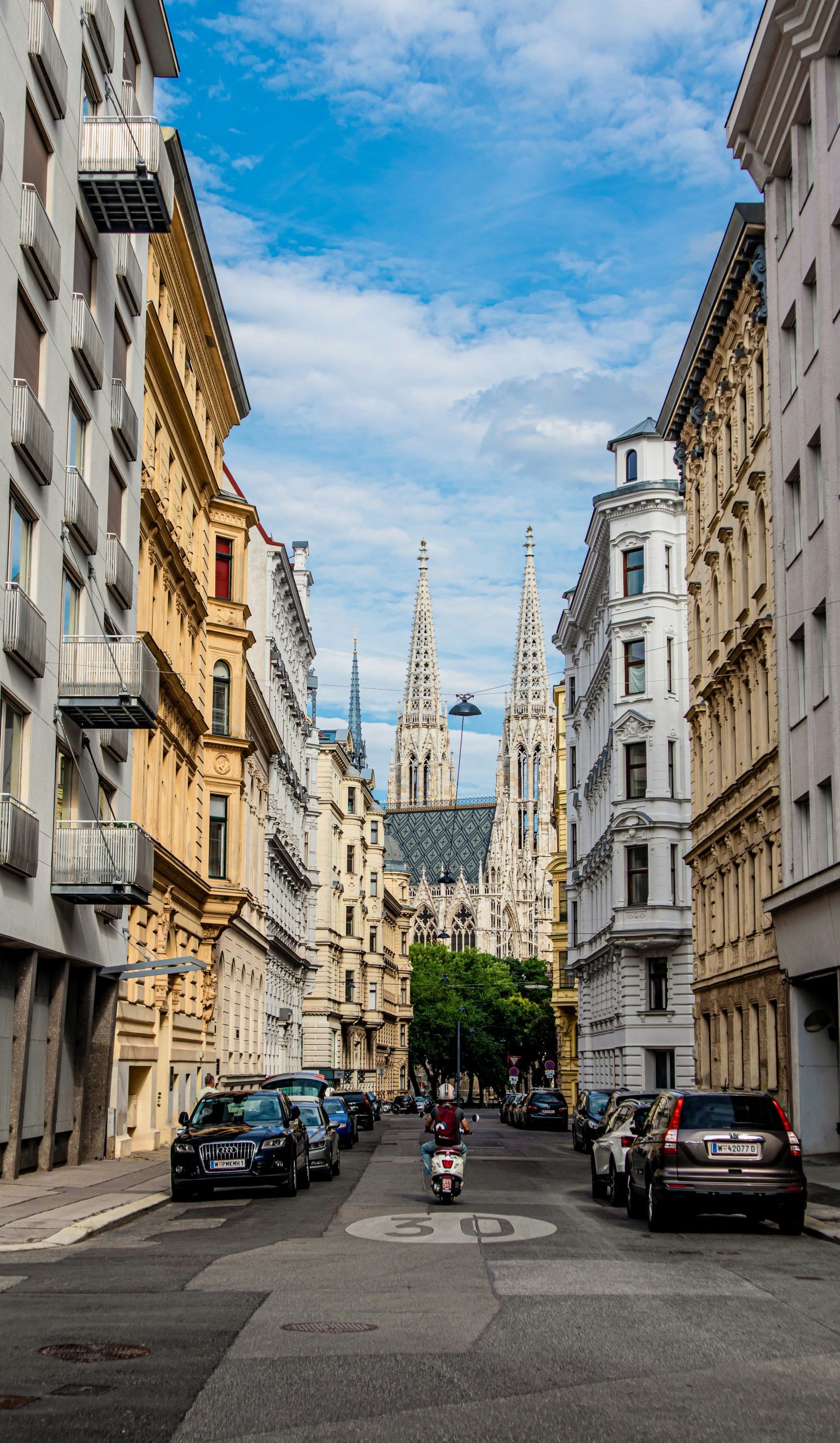
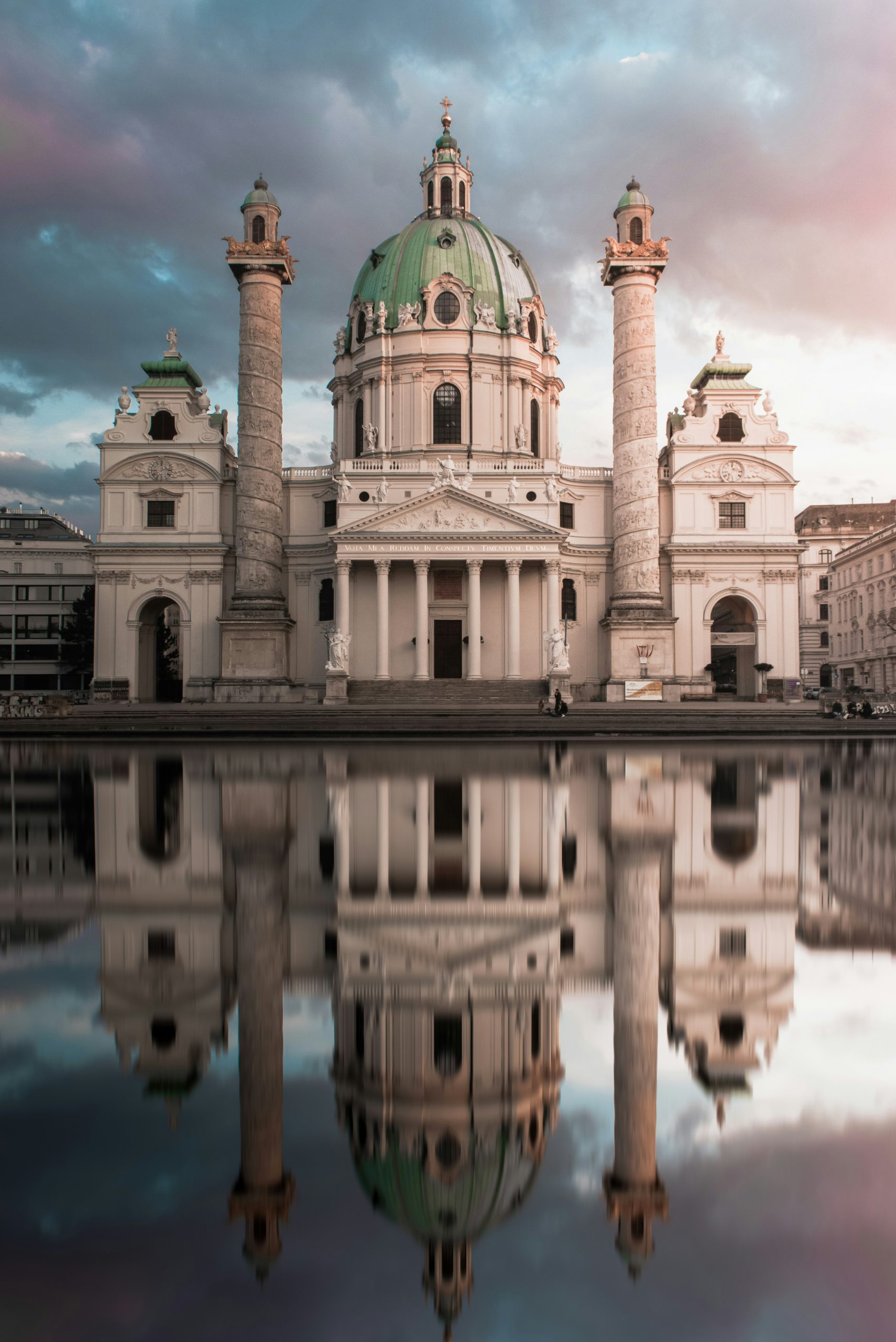
Vienna is the capital of Austria and one of Europe’s most elegant and culturally rich cities. Located in central Europe, on the banks of the Danube River, Vienna is renowned for its imperial history, classical music heritage, refined architecture, and exceptional quality of life. The city seamlessly blends tradition with modern innovation, making it a top destination for culture lovers and city explorers alike.


Location, Area, and Population
Vienna is situated in northeastern Austria, close to the borders of Slovakia, Hungary, and the Czech Republic. The city covers an area of approximately 415 square kilometers, offering a balance of historic districts, green spaces, and modern neighborhoods.
According to Wikipedia, Vienna has a population of around 2 million residents, while its metropolitan area is home to nearly 2.9 million people. This diversity contributes to Vienna’s vibrant and international atmosphere.
History and Cultural Heritage
Once the capital of the Habsburg Empire, Vienna played a central role in European politics, art, and culture for centuries. The city was the heart of a vast empire that influenced architecture, music, diplomacy, and intellectual life across the continent.
Today, Vienna’s historic center is a UNESCO World Heritage Site, celebrated for its imperial palaces, grand boulevards, and architectural harmony that reflects centuries of cultural development.
Iconic Landmarks and Places to Visit
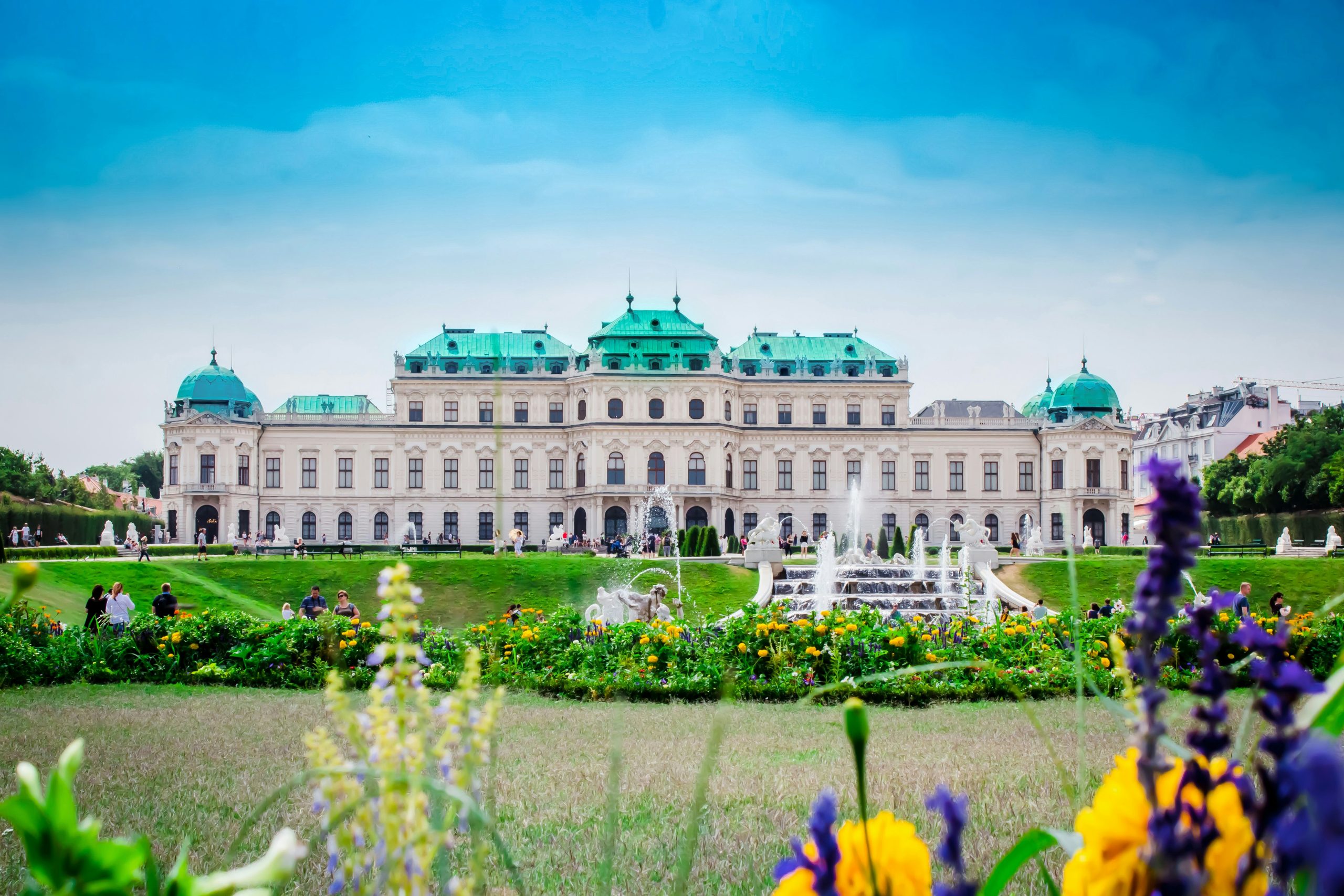
Vienna is filled with magnificent landmarks and attractions, including:
- Schönbrunn Palace – The former summer residence of the Habsburgs
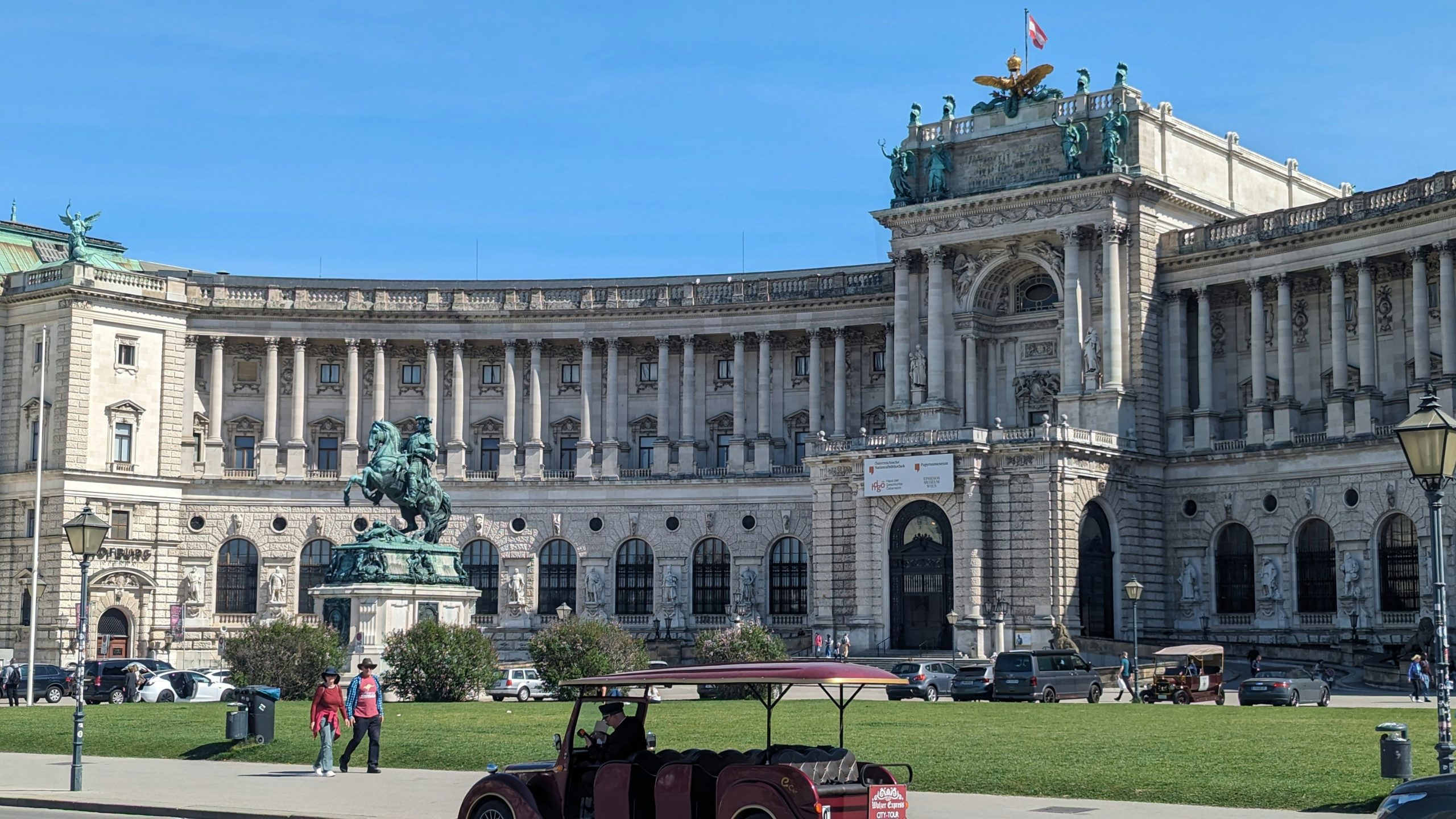
- Hofburg Palace – The historic seat of imperial power
- St. Stephen’s Cathedral (Stephansdom) – The city’s Gothic masterpiece
- Belvedere Palace – Home to Gustav Klimt’s famous painting The Kiss
- Vienna State Opera – One of the world’s most prestigious opera houses
- Ringstrasse – A grand boulevard showcasing imperial architecture
Each district (Bezirk) reveals a different side of Vienna’s refined character.
Music, Art, and Intellectual Life
Vienna is widely regarded as the classical music capital of the world. Legendary composers such as Mozart, Beethoven, Haydn, Schubert, and Strauss lived and worked in the city, leaving behind a musical legacy that continues to shape Vienna’s cultural identity.
The city also boasts world-class museums and galleries, including the Albertina, Kunsthistorisches Museum, and MuseumsQuartier, making it a global hub for art and intellectual life.
Austrian Cuisine and Traditional Food
Viennese cuisine is hearty, elegant, and deeply rooted in tradition. Local specialties include:
- Wiener Schnitzel – Breaded veal or pork cutlet
- Tafelspitz – Boiled beef with vegetables and sauces
- Apfelstrudel – Apple pastry with cinnamon and raisins
- Sachertorte – Famous chocolate cake
- Kaiserschmarrn – Shredded pancake dessert
Vienna’s historic coffee house culture, recognized by UNESCO, is an essential part of daily life and social interaction.

Best Time to Visit and Weather
Vienna has a continental climate, with warm summers and cold winters.
The best times to visit are spring (April–June) and early autumn (September–October), when temperatures are mild and the city is ideal for walking and sightseeing.
Winter transforms Vienna into a magical destination with Christmas markets, concerts, and festive lights.
Lifestyle, Quality of Life, and Green Spaces
Vienna consistently ranks among the world’s most livable cities, thanks to its efficient public transport, safety, cleanliness, and abundance of green spaces. Parks such as the Prater, Stadtpark, and Danube Island offer locals and visitors plenty of outdoor recreation opportunities.
Sports and Modern Vienna
Football remains popular, with clubs like Rapid Vienna and Austria Vienna representing the city. Vienna also hosts international sporting events, marathons, and winter sports activities nearby in the Alps.

Why Vienna Is Unique
Vienna stands out for its rare combination of imperial grandeur, musical heritage, artistic excellence, and modern livability. Few cities offer such cultural depth while maintaining a calm, elegant, and welcoming atmosphere.
Conclusion
Vienna is more than a city—it is a refined cultural experience. With its imperial palaces, classical music legacy, world-class museums, traditional cuisine, and high quality of life, Vienna offers an unforgettable journey into the heart of European history and elegance.