

London is the capital of the United Kingdom and one of the most influential cities in the world. Located in southeastern England, along the River Thames, London is a global hub for history, culture, finance, fashion, and entertainment. With its iconic landmarks, diverse neighborhoods, and rich heritage, London attracts millions of visitors every year.


Location, Area, and Population
London lies within the historic region of Greater London and extends across both banks of the River Thames. The city covers an area of approximately 1,572 square kilometers, making it one of the largest cities in Europe by surface area.
According to Wikipedia, London has a population of around 9 million residents, while its wider metropolitan area is home to more than 14 million people. This diversity makes London one of the most multicultural cities in the world.
History and Cultural Heritage
London’s history spans nearly 2,000 years, beginning with its founding by the Romans as Londinium. Over centuries, the city grew into the heart of the British Empire, shaping global politics, trade, science, and culture.
Today, London is renowned for its blend of historic landmarks and modern architecture, where medieval buildings stand alongside contemporary skyscrapers. Many of its sites are recognized as UNESCO World Heritage Sites, highlighting the city’s exceptional historical importance.
Iconic Landmarks and Places to Visit
London offers an extraordinary range of world-famous attractions, including:
- Big Ben and the Houses of Parliament – Symbols of British democracy
- Buckingham Palace – The official residence of the British monarch
- Tower of London – A historic fortress and home of the Crown Jewels
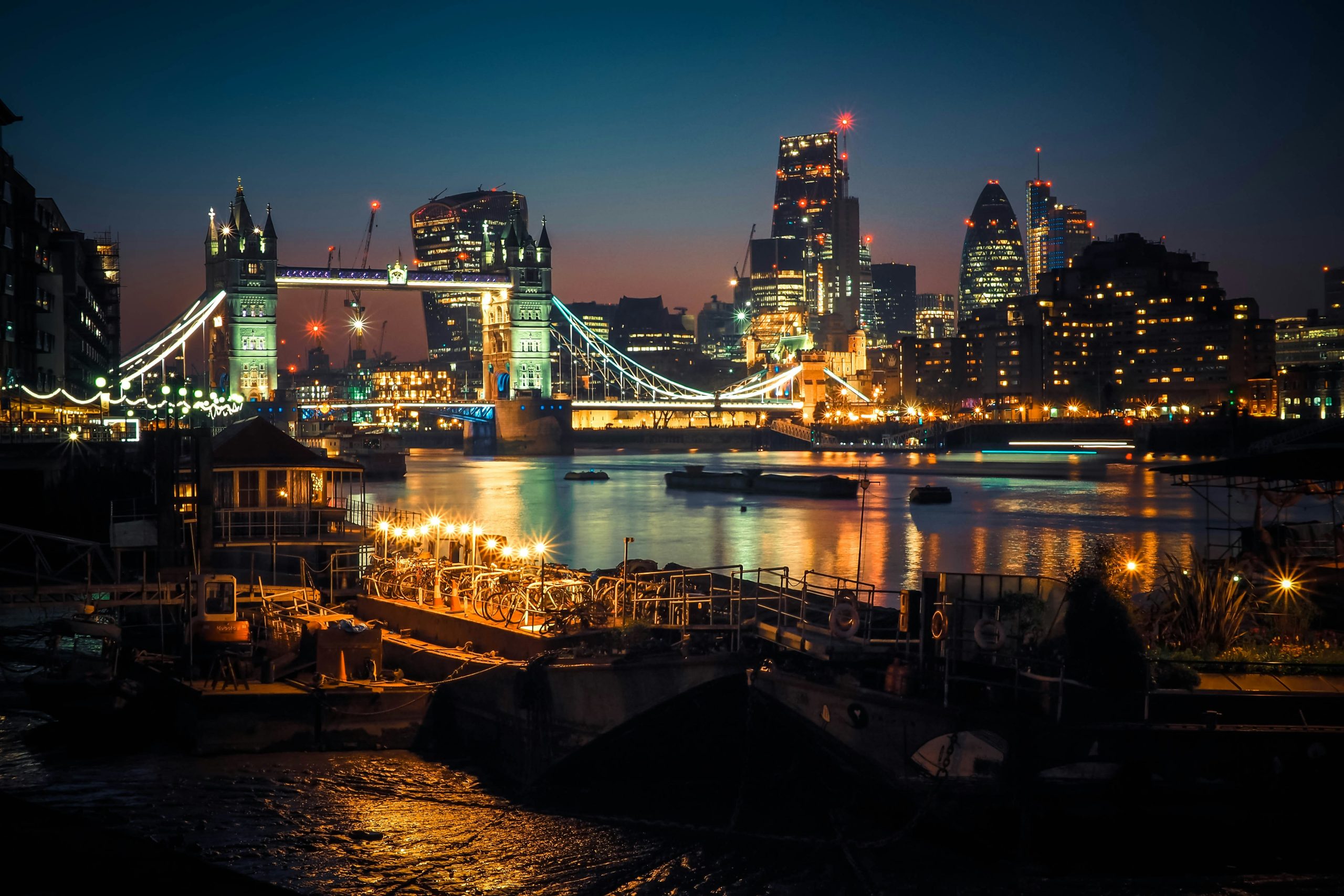
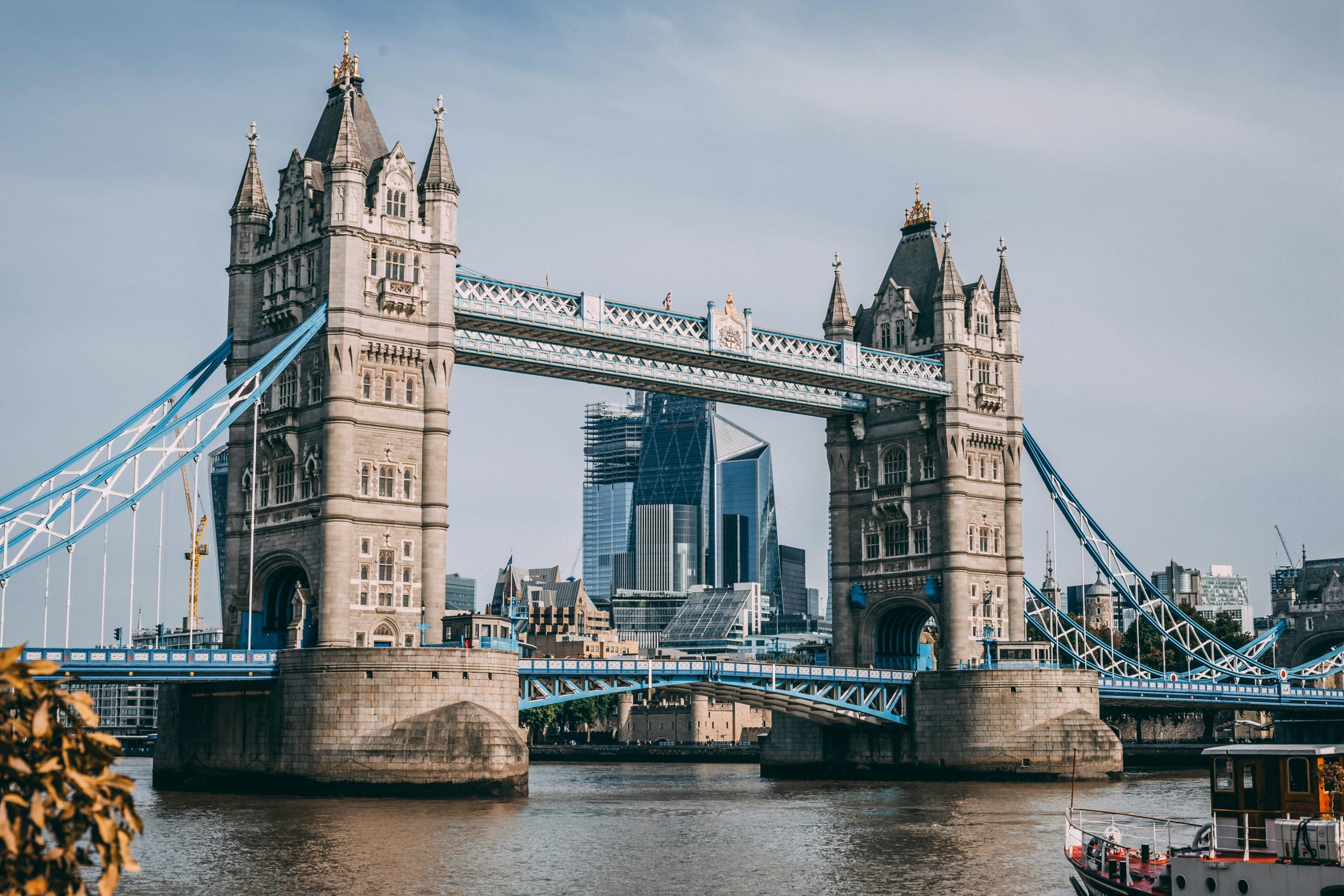
- Tower Bridge – One of the city’s most recognizable bridges
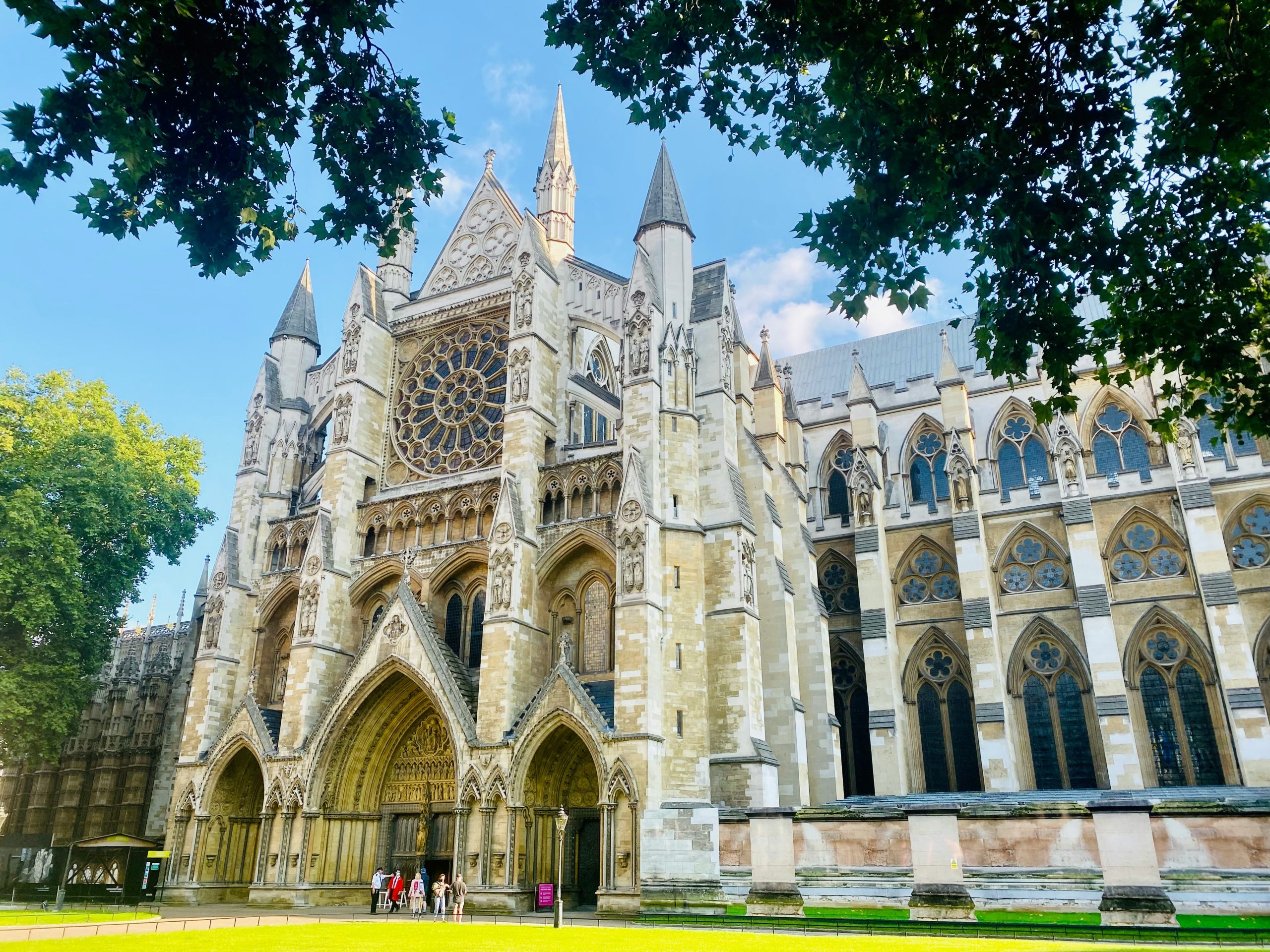
- Westminster Abbey – Site of royal coronations and weddings
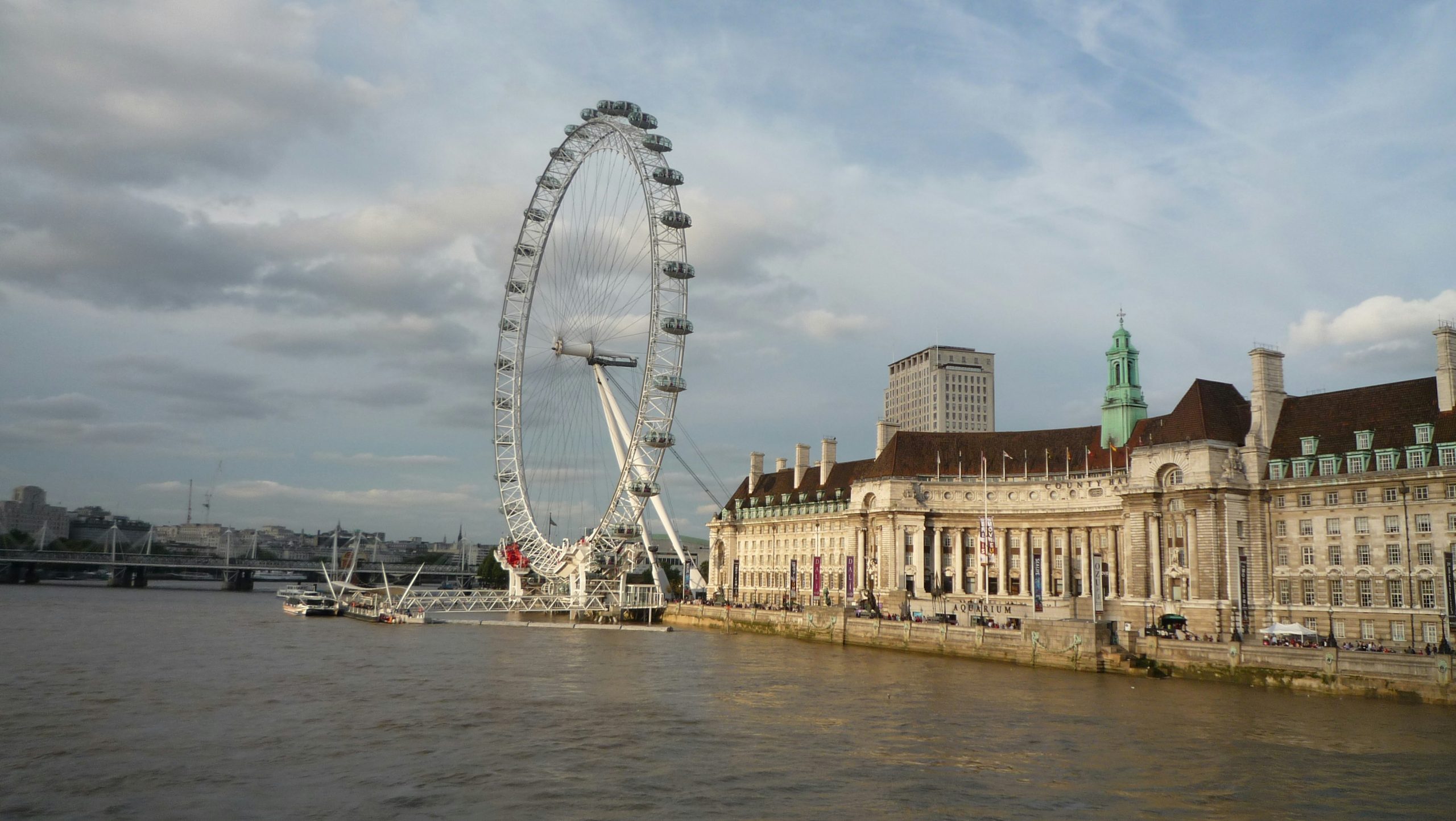
- London Eye – Offering panoramic views of the city
Each area, from Covent Garden to Camden, has its own unique character and atmosphere.
Museums, Arts, and Architecture
London is one of the world’s leading cultural capitals, home to exceptional museums and galleries such as the British Museum, National Gallery, Tate Modern, and Victoria and Albert Museum—many of which offer free entry.
Architecturally, the city blends Gothic, Victorian, and modern styles, with landmarks such as St Paul’s Cathedral, The Shard, and Millennium Bridge showcasing its evolving skyline.
British Cuisine and Traditional Food
London’s food scene reflects its global diversity while preserving classic British traditions. Popular dishes and specialties include:
- Fish and chips – Britain’s most iconic comfort food
- Full English breakfast – A hearty traditional meal
- Sunday roast – Served with roasted vegetables and gravy
- Afternoon tea – Tea with sandwiches, scones, and pastries
- Pies and pub food – A staple of British dining culture
In addition, London is known for its international cuisine, offering flavors from every corner of the world.

Best Time to Visit and Weather
London has a temperate maritime climate, with mild summers and cool winters.
The best times to visit are late spring (May–June) and early autumn (September), when the weather is pleasant and outdoor sightseeing is comfortable.
Summers are generally mild, while winters are cool and sometimes foggy, adding to London’s classic atmosphere.
Sports and Entertainment
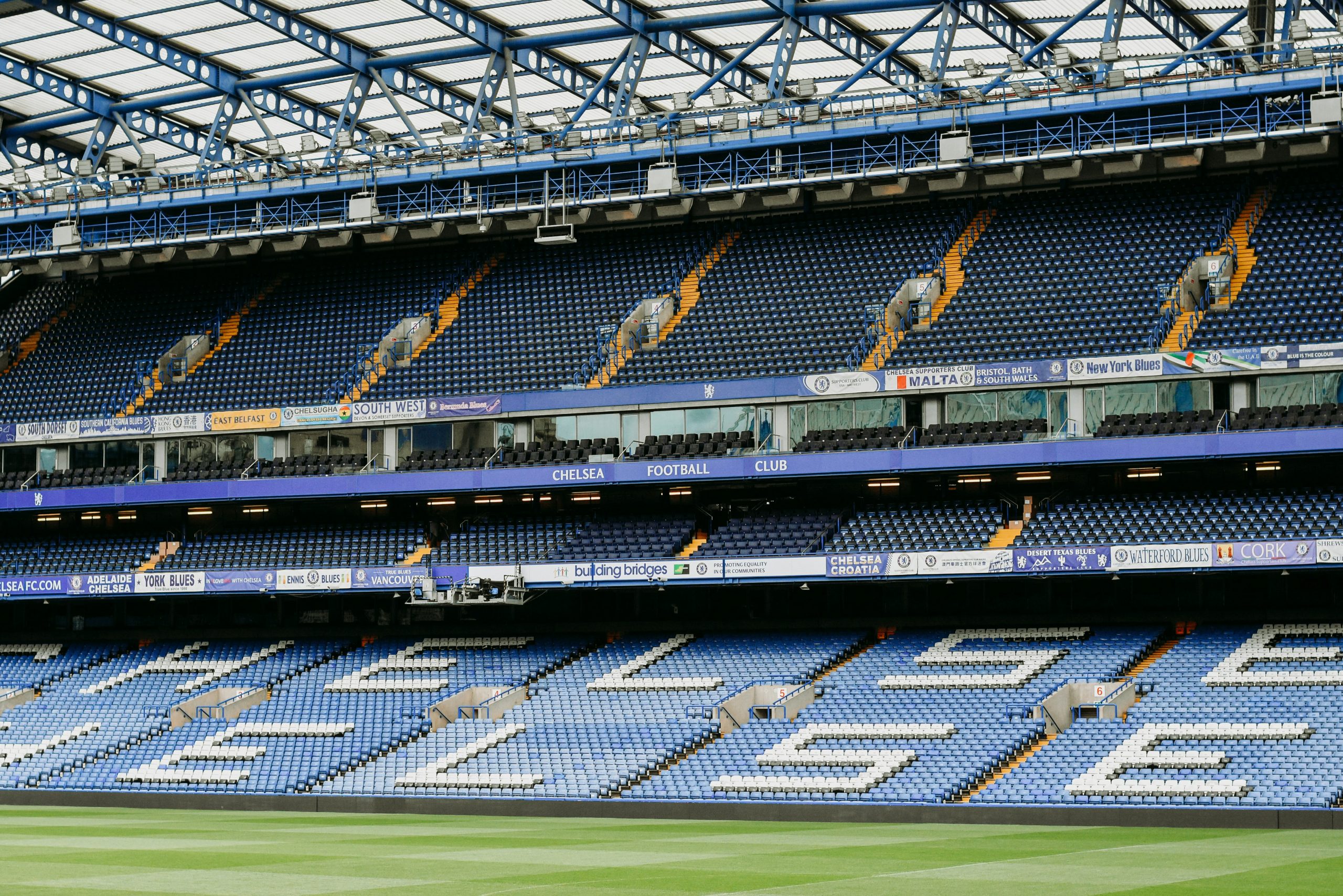
Sport plays a major role in London’s identity. Football is the most popular sport, with legendary clubs such as Arsenal, Chelsea, Tottenham Hotspur, and West Ham United. The city also hosts major events at Wembley Stadium.
London is a global center for theater and live entertainment, particularly in the West End, famous for world-class musicals and plays.
Lifestyle, Shopping, and Modern London
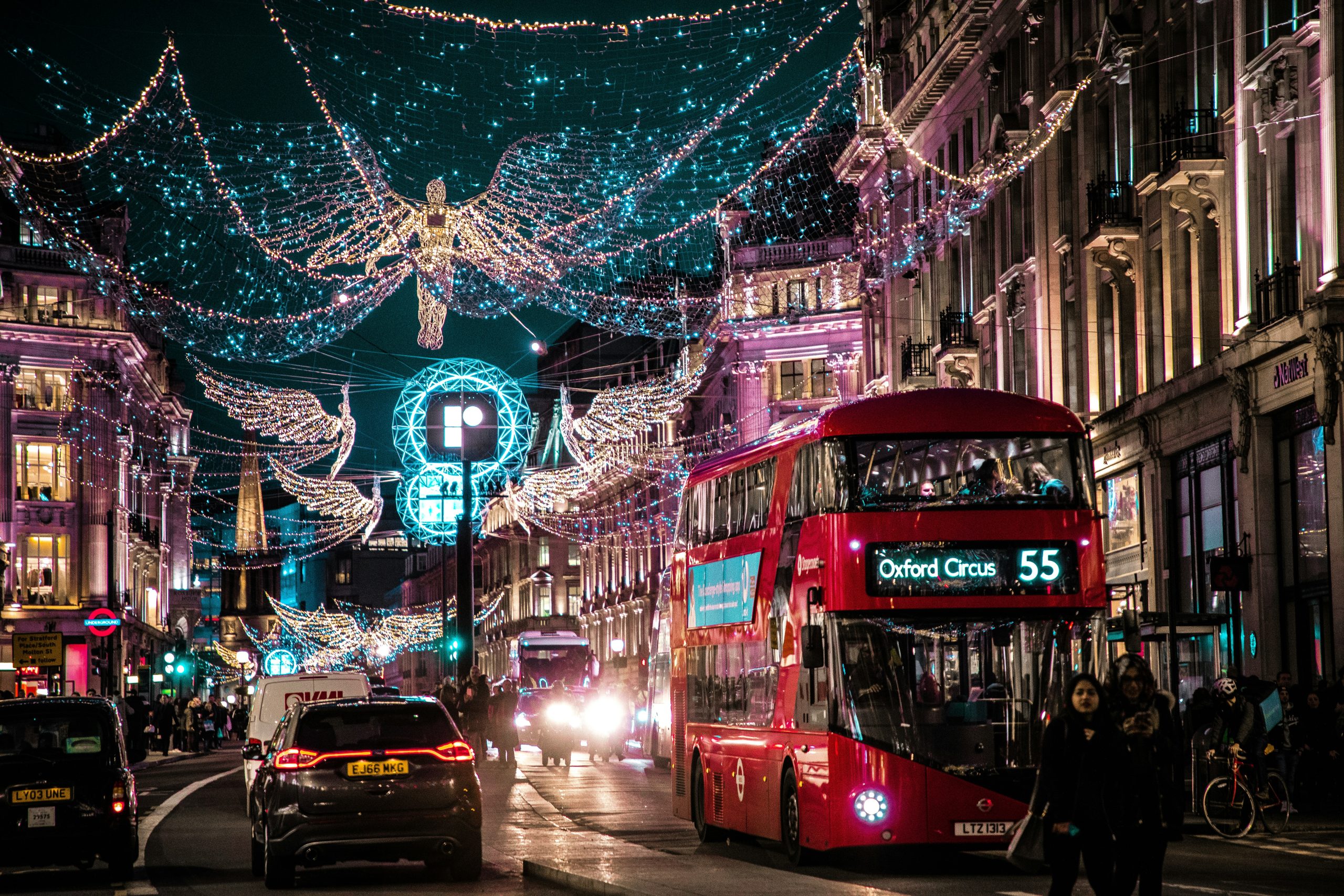
London offers outstanding shopping experiences, from luxury boutiques in Oxford Street and Bond Street to alternative markets like Camden Market and Borough Market.
Daily life in London is fast-paced yet rich in tradition, with green spaces such as Hyde Park, Regent’s Park, and Greenwich offering balance within the urban environment.
Why London Is Unique
London stands out for its ability to combine royal tradition, historic depth, cultural diversity, innovation, and global influence. Few cities offer such a wide range of experiences—from ancient landmarks and museums to modern nightlife and cutting-edge creativity.
Conclusion
London is more than a city—it is a world in itself. With its historic landmarks, cultural institutions, diverse cuisine, sporting passion, and vibrant urban life, London offers an unforgettable experience for every type of traveler.