

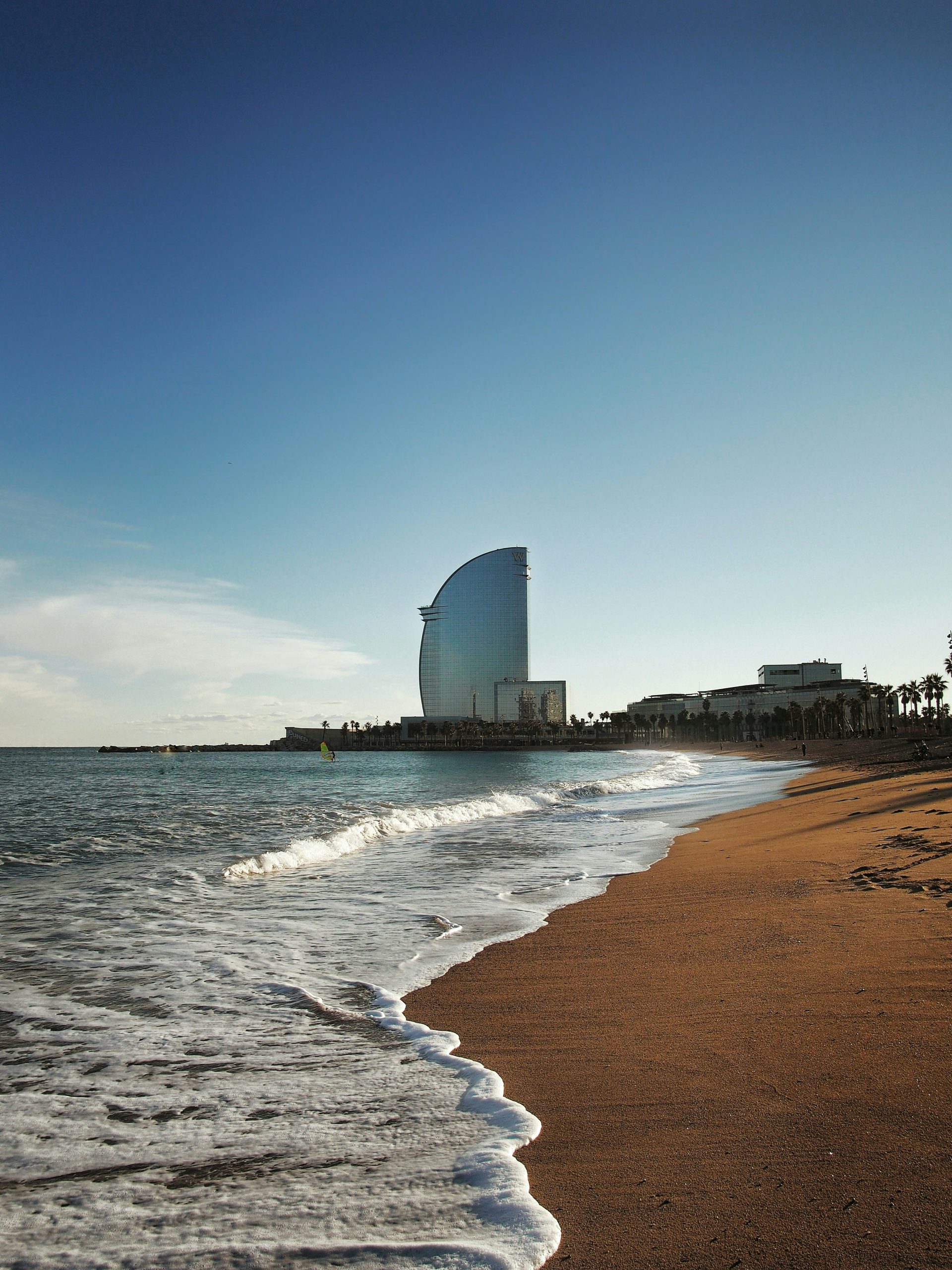
Barcelona, often called “The Jewel of Catalonia,” is the capital of the Catalonia region in Spain and one of Europe’s most vibrant and colorful cities. Located on the northeastern coast of the Iberian Peninsula, Barcelona is famous for its unique architecture, rich cultural heritage, Mediterranean beaches, and lively urban life. The city attracts millions of travelers every year with its combination of history, art, and modern lifestyle.


Location, Area and Population
Barcelona lies along the Mediterranean coast, serving as an economic, cultural, and political hub in northeastern Spain. The city covers an area of approximately 101 square kilometers, blending historic districts, beaches, parks, and contemporary urban spaces. According to Wikipedia, Barcelona has a population of about 1.6 million residents, with a metropolitan area exceeding 5 million people, making it one of Spain’s largest and most influential cities.
History and Cultural Heritage
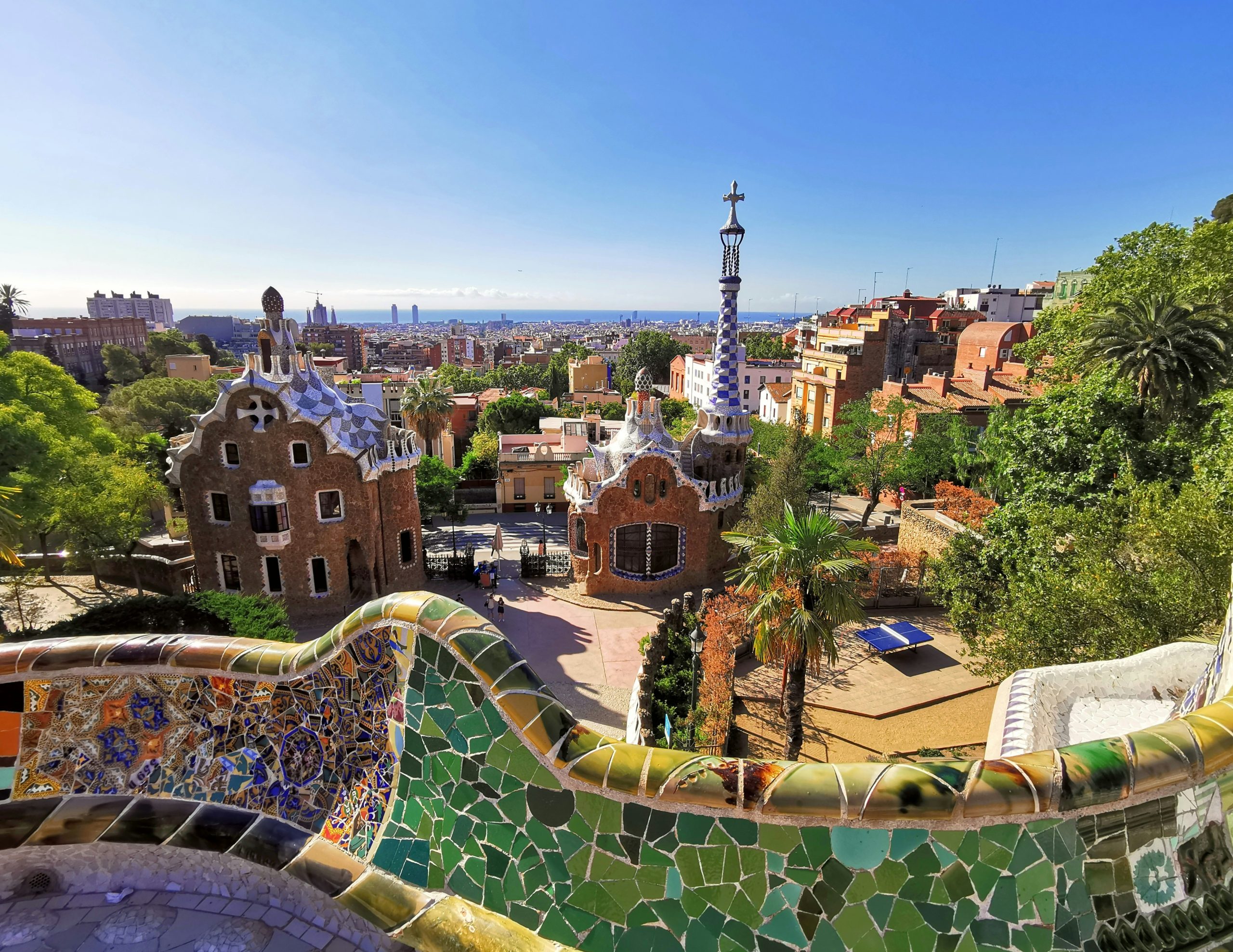
Barcelona’s history spans over 2,000 years, with Roman settlements once marking the foundations of the city. Over the centuries, it became a center for trade, politics, and art. Barcelona’s Gothic Quarter reflects its medieval past, while the modernist architecture of Antoni Gaudí showcases the city’s unique cultural identity. Today, landmarks such as the Sagrada Família and Park Güell are recognized as UNESCO World Heritage Sites.
Iconic Landmarks and Places to Visit
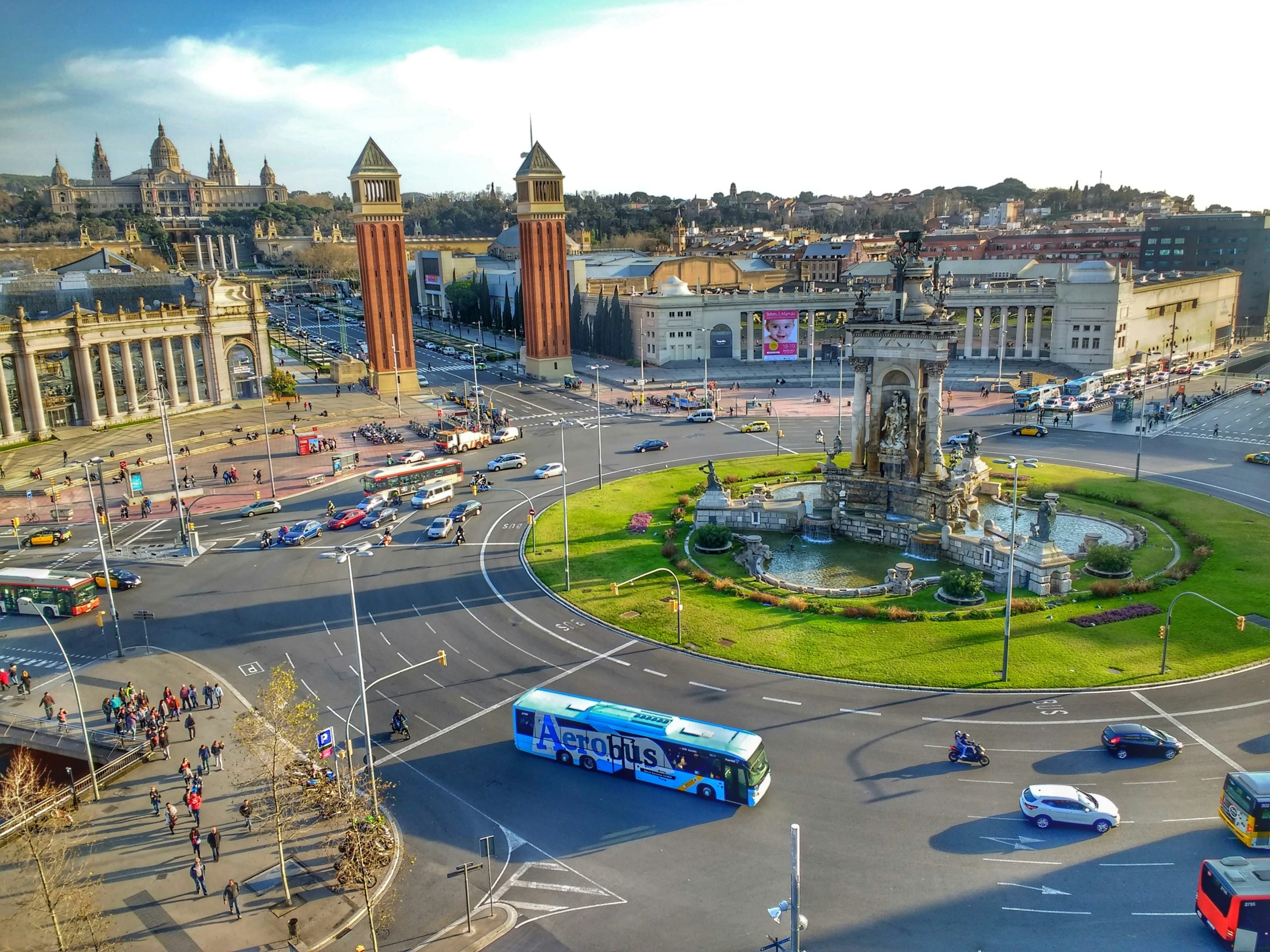
Barcelona offers a wealth of landmarks and attractions, including:
• Sagrada Família – Gaudí’s iconic unfinished basilica
• Park Güell – Colorful gardens and architectural marvels by Gaudí
• La Rambla – Famous pedestrian street filled with shops, cafes, and street performers
• Gothic Quarter (Barri Gòtic) – Historic streets, plazas, and medieval architecture
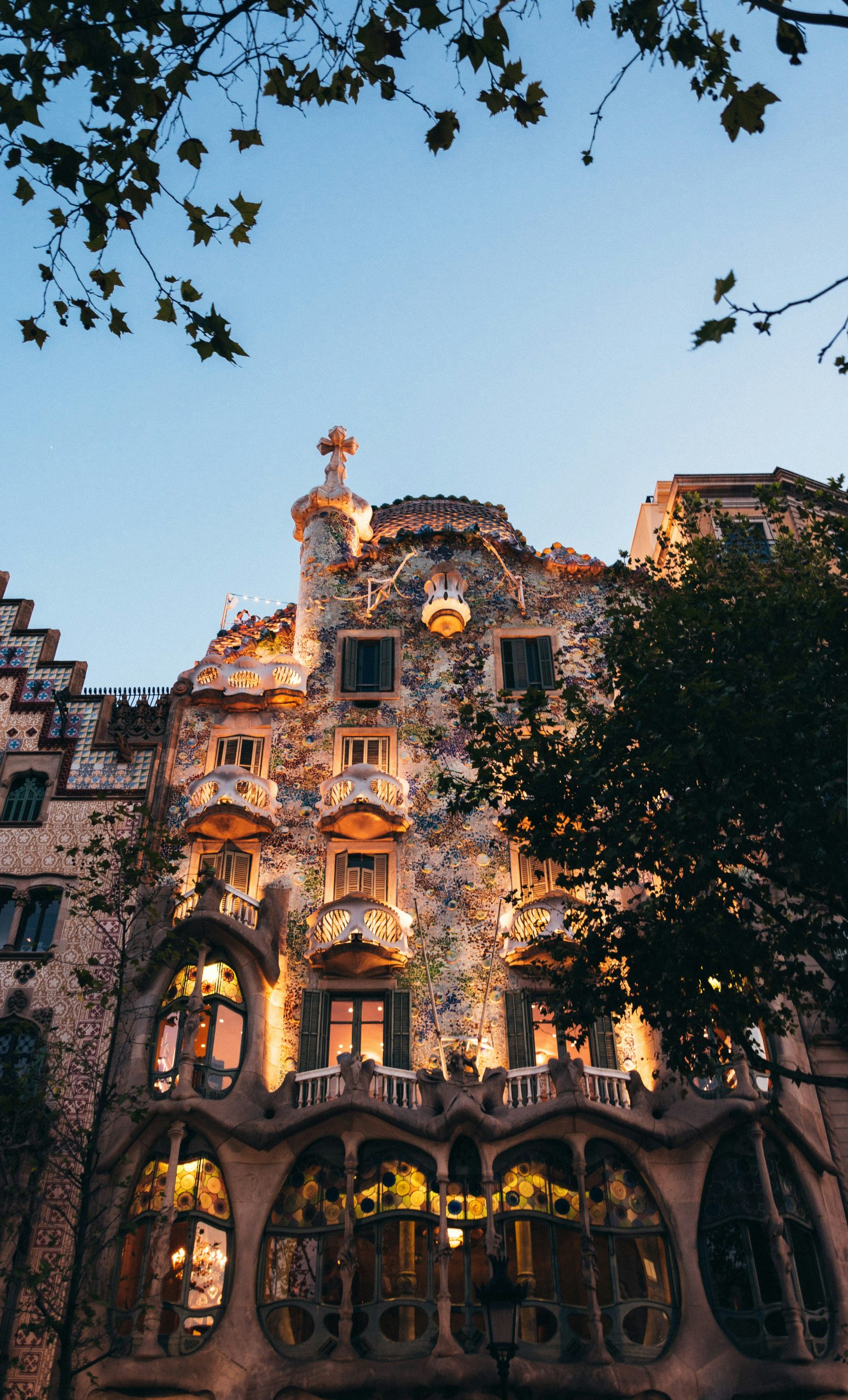
• Casa Batlló and Casa Milà (La Pedrera) – Stunning modernist buildings by Gaudí
• Camp Nou – Home stadium of FC Barcelona
Each area provides a unique glimpse into the city’s history, art, and vibrant lifestyle.
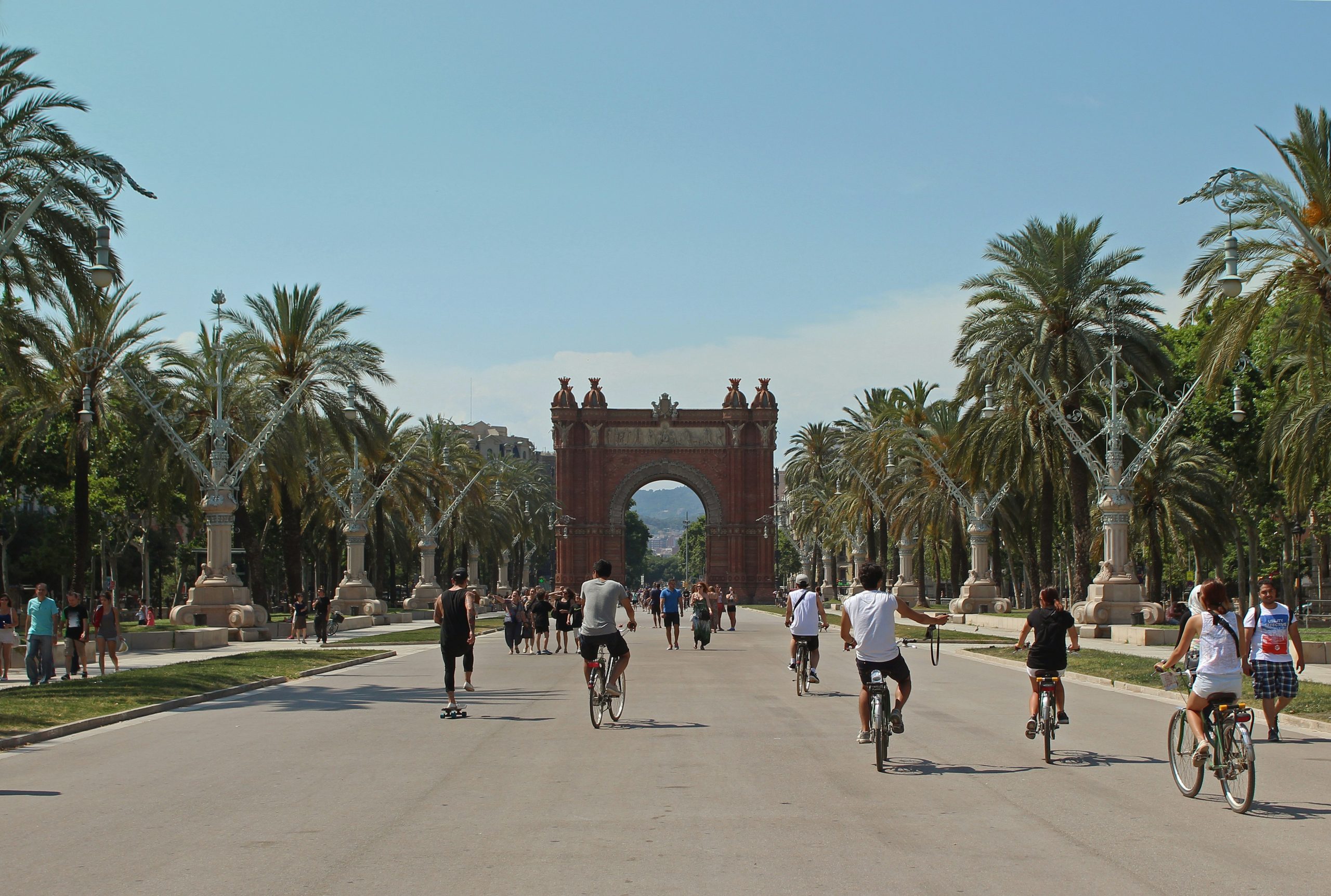
Antoni Gaudí and Modernist Architecture
No description of Barcelona is complete without Antoni Gaudí, the visionary architect who shaped the city’s identity. Gaudí was a leading figure of Catalan Modernism, and his unique style blends nature, religion, and imagination into architectural masterpieces unlike anywhere else in the world.
Some of Gaudí’s most famous works include Park Güell, Casa Batlló, Casa Milà (La Pedrera), and of course the world-renowned Sagrada Família. His designs feature organic shapes, colorful mosaics, curved lines, and symbolic details inspired by nature. Today, several of Gaudí’s creations are recognized as UNESCO World Heritage Sites, making Barcelona a must-visit destination for architecture lovers.

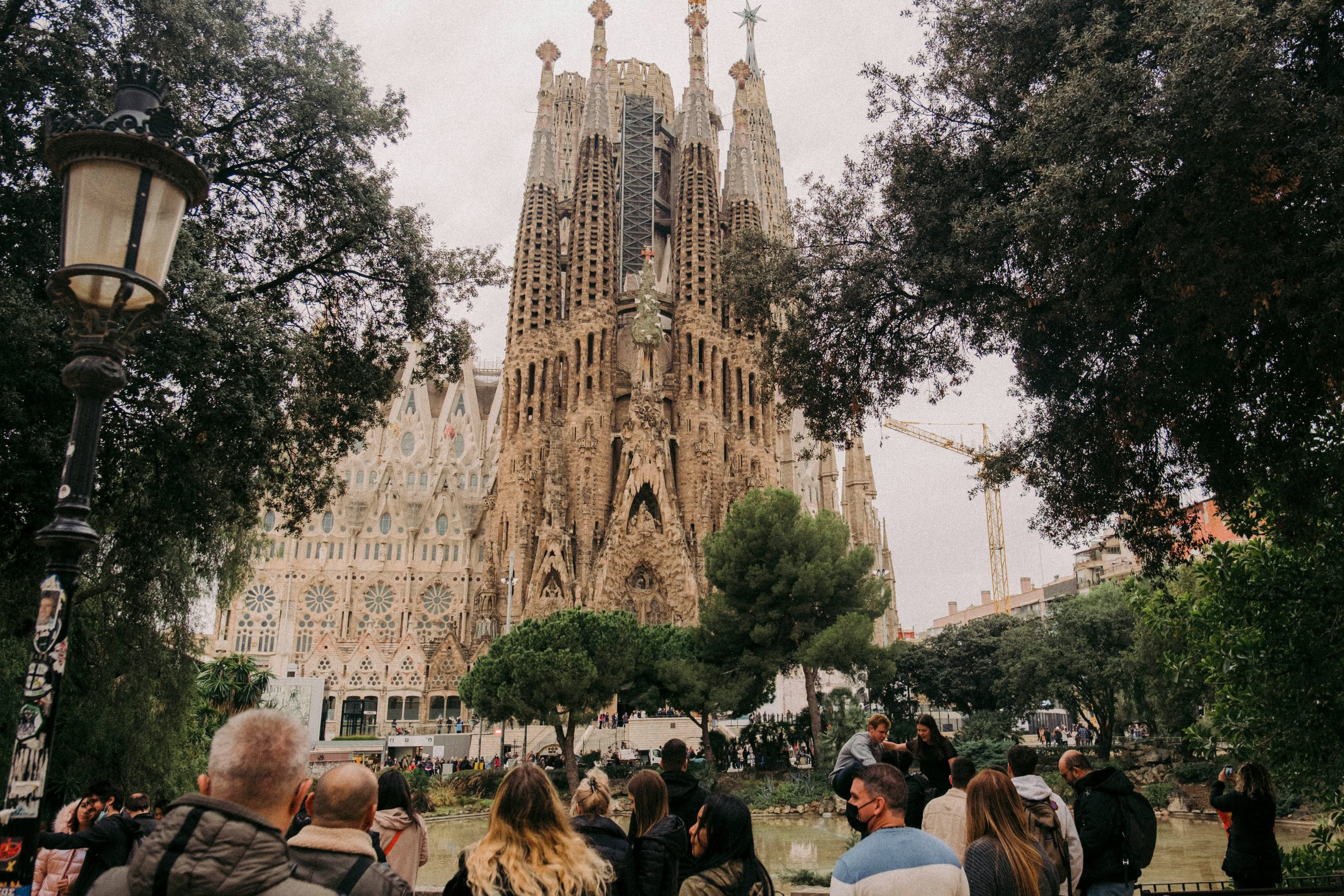
Sagrada Família – Barcelona’s Iconic Landmark
The Basílica de la Sagrada Família is Barcelona’s most iconic landmark and one of the most visited monuments in Europe. Designed by Antoni Gaudí, construction began in 1882 and continues to this day, making it one of the longest ongoing architectural projects in history.
The basilica combines Gothic and Art Nouveau elements, with towering spires, intricate façades, and a breathtaking interior filled with natural light and symbolic geometry. The Nativity Façade, Passion Façade, and Glory Façade each tell a different story through sculpture and design. Visiting the Sagrada Família is considered an unforgettable experience and a highlight of any trip to Barcelona.
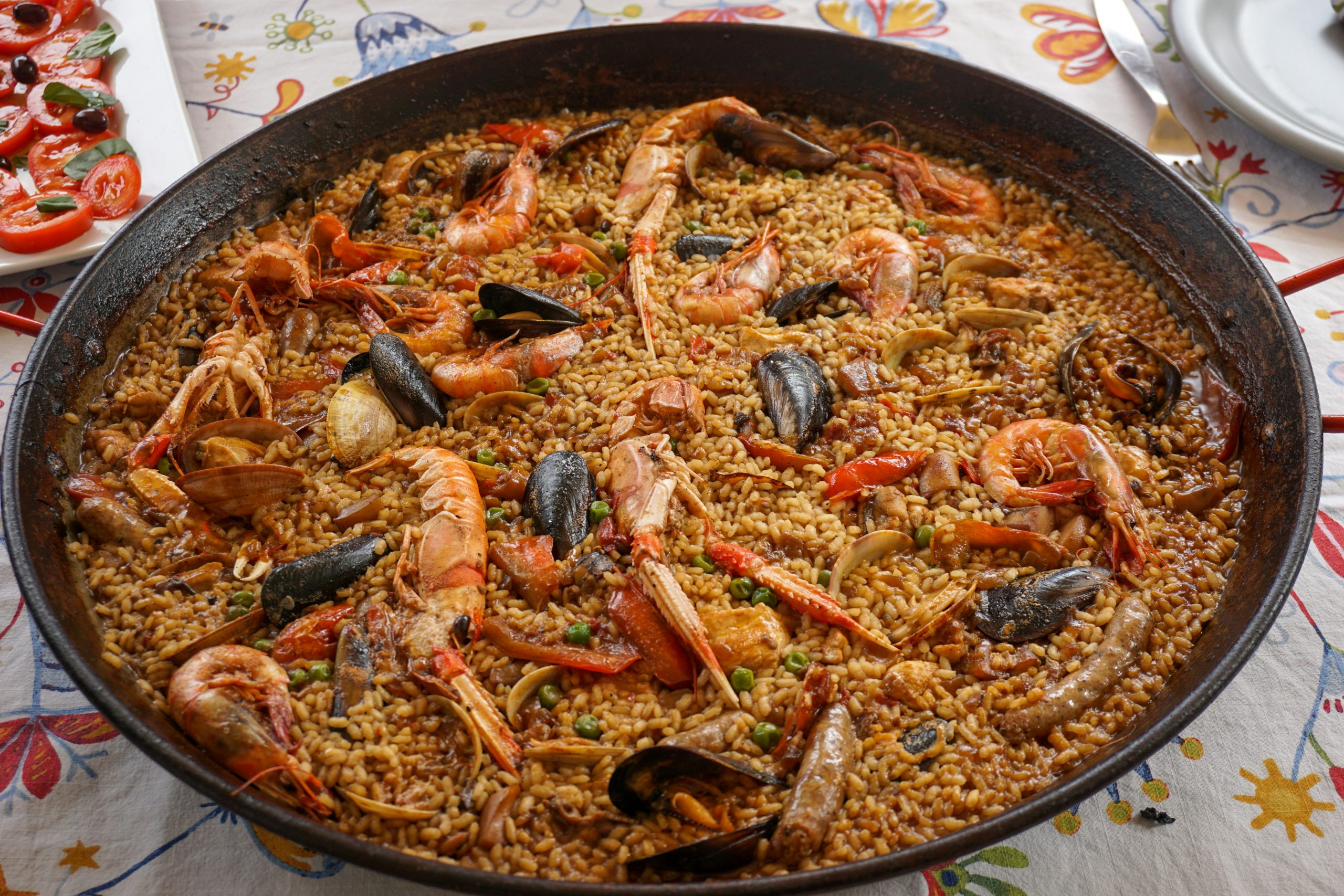
Catalan Cuisine & Traditional Food
Barcelona’s food scene is famously rich and rooted in Catalan culinary traditions. Highlights include:
- Pa amb tomàquet – Bread rubbed with ripe tomato and olive oil, a Catalan staple.
- Esqueixada – A refreshing shredded salt cod salad.
- Fideuà – A noodle version of paella often cooked with seafood.
- Bombas – Potato and meat balls with spicy sauce, popular in Barceloneta.
- Crema Catalana and Mató de Pedralbes – Sweet Catalan desserts not to be missed.
Beyond traditional dishes, Barcelona offers world-class dining that blends regional roots with contemporary innovations. In 2025, Catalonia was named the World Region of Gastronomy, highlighting its deep food culture and celebrated chefs.
Best Time to Visit & Weather
Barcelona has a Mediterranean climate, which means warm summers and mild winters with plenty of sunshine. Spring (April–June) and autumn (September–November) are often considered the best times to visit, as temperatures are pleasant and tourist crowds are lighter — ideal for walking, sightseeing, and outdoor dining. Summers can be quite warm and busy, while winters remain mild compared to many other European cities.
Sports & Activities
Barcelona is a sports city at heart. Football (soccer) plays a central role in local culture, with FC Barcelona being one of the most famous and successful clubs in the world. Visitors often enjoy catching a match at the iconic Camp Nou stadium or exploring the club’s museum.
In addition to football, the city offers beaches for volleyball, cycling and jogging along the waterfront, water sports like kayaking and paddleboarding, and sailing excursions on the Mediterranean — a perfect blend of urban and seaside activity.

Shopping, Nightlife & Urban Life
Barcelona is also known for its lively nightlife, from traditional tapas bars in the Gothic Quarter to trendy clubs and live music venues throughout the city. Shopping ranges from luxury boutiques in Passeig de Gràcia to quirky independent shops in Gràcia and El Born.
Summary
In summary, Barcelona is more than a city — it’s an experience of history, culture, art, gastronomy, and Mediterranean lifestyle. With its warm climate, stunning architecture, delicious food, lively festivals, and welcoming neighborhoods, it offers something for every traveler — whether you’re there to relax on the beach, explore hidden alleyways, or indulge in world-class food and football.